

Keep up to date with the goings on at Fresh Tracks!
10 Life Skills Every Teenager Should Learn Before Leaving Home
Leaving home for the first time is a big step. Whether it’s university, a gap year, travelling, starting work or moving into shared accommodation, having a few basic life skills can make the transition to independence considerably easier.
Knowing how to cook a few decent meals certainly helps, but being ready to live independently involves much more than that. Shopping, budgeting, laundry, cleaning, looking after yourself and getting along with the people you live with all suddenly become part of everyday life.
The good news is that nobody needs to have everything mastered before they leave home. Having some basic practical skills and, perhaps more importantly, the confidence to have a go when you don’t know exactly what you’re doing, can make those first few months much easier.
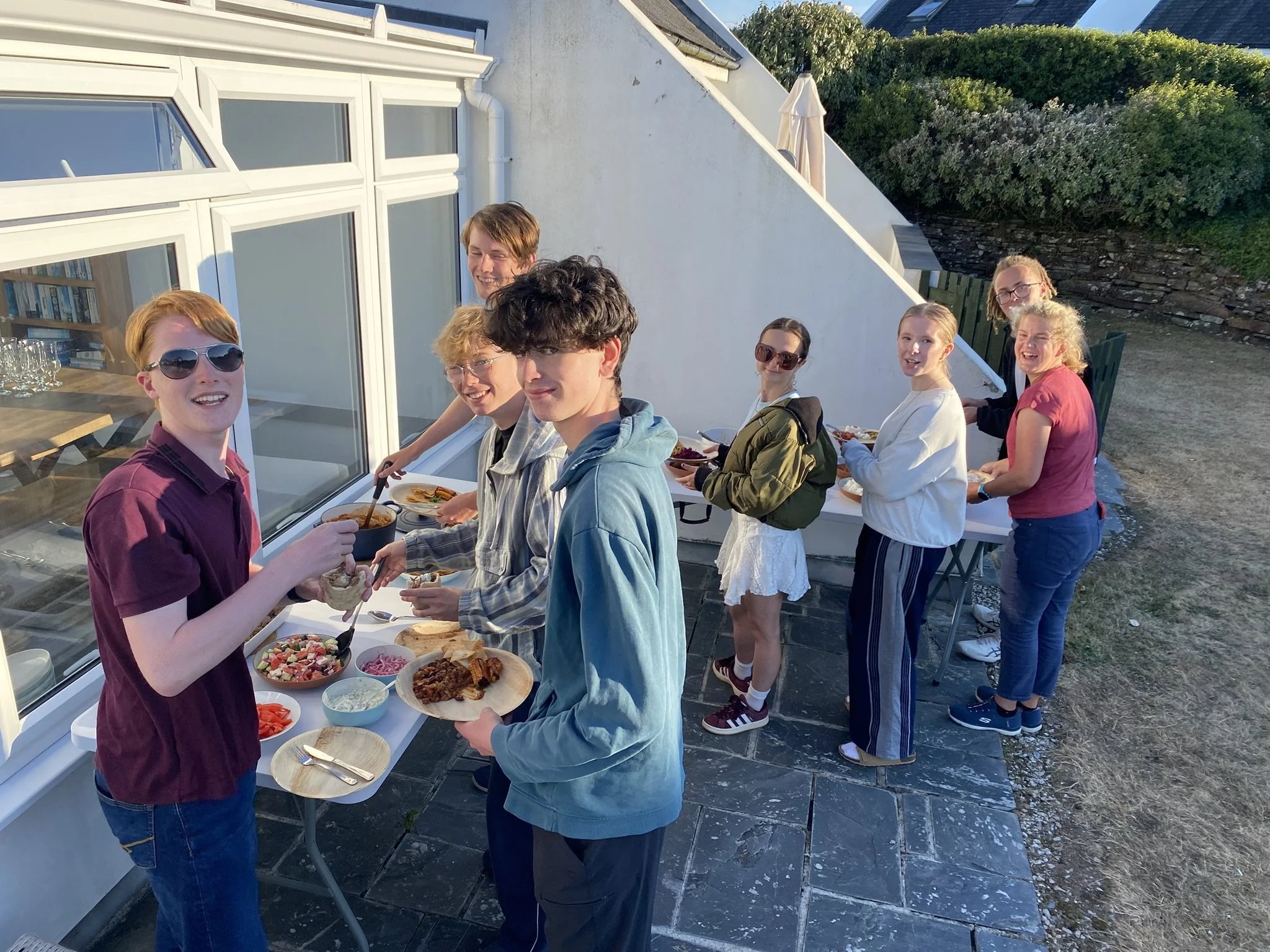
Students enjoying Street Food
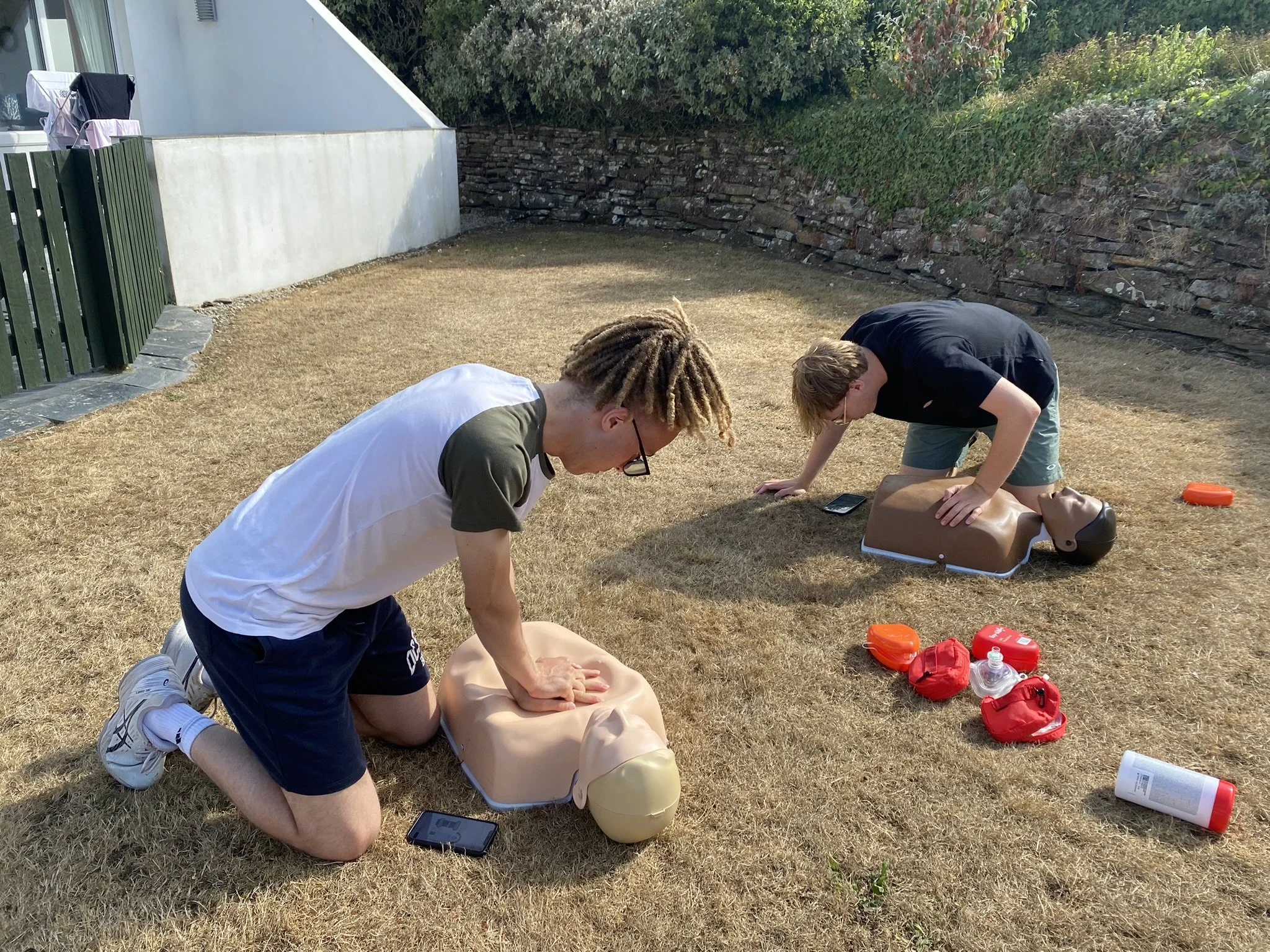
Essential First Aid Course
Here are 10 life skills we think every teenager should start learning before leaving home!
1. Cooking a proper meal
You don’t need to be a brilliant cook to feed yourself well. What really helps is having the confidence to cook a handful of simple meals from scratch and understanding a few basic techniques that can be used again and again. That might mean knowing how to:
- Cook pasta and rice properly
- Make a simple sauce
- Roast vegetables
- Cook chicken safely
- Make something with mince
- Prepare eggs in a few different ways
- Learn how to bake
Once you understand the basics, you’re far less dependent on recipes and much less likely to survive on takeaways and cereal.
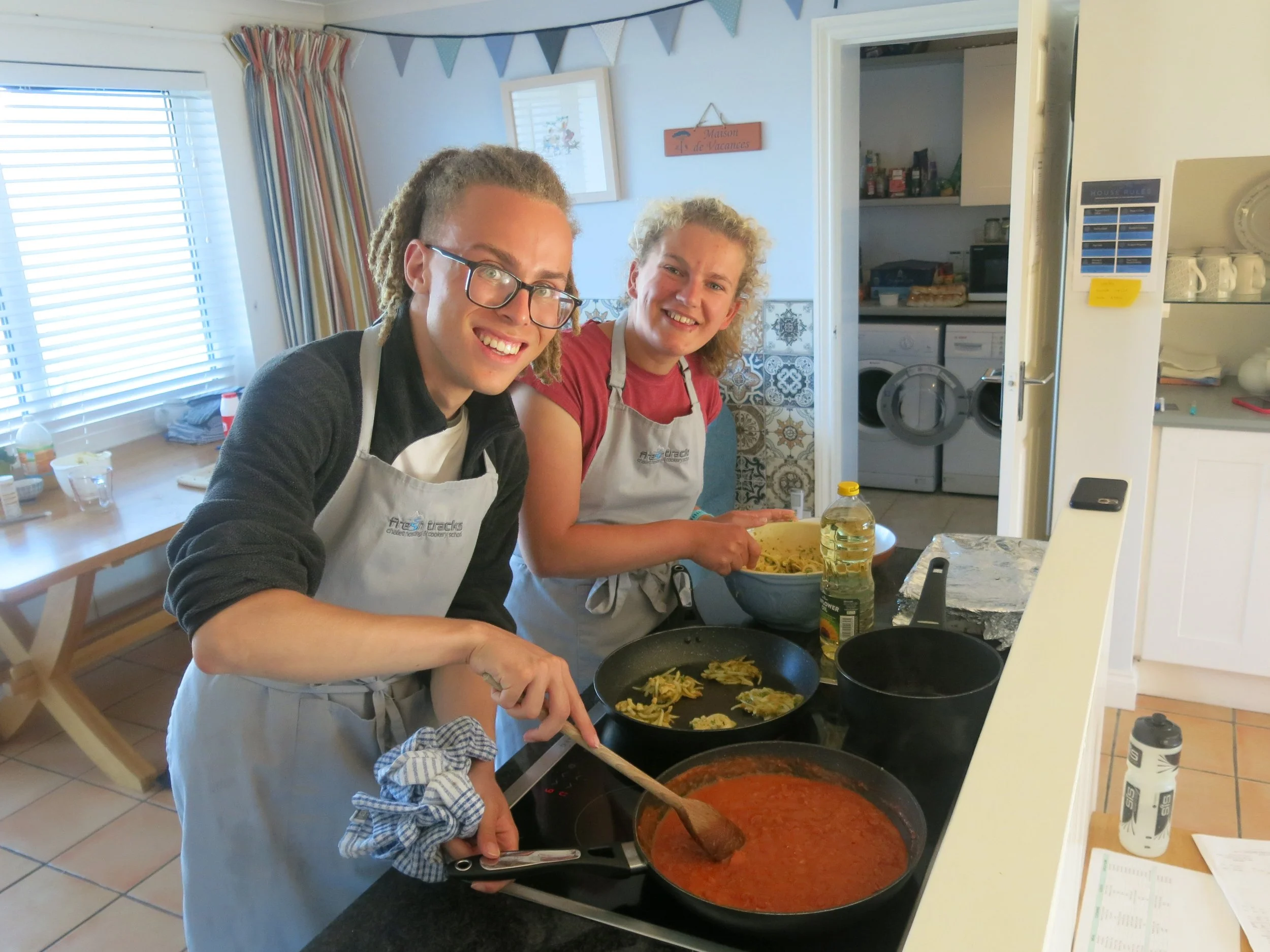
Students cooking nutritious meals
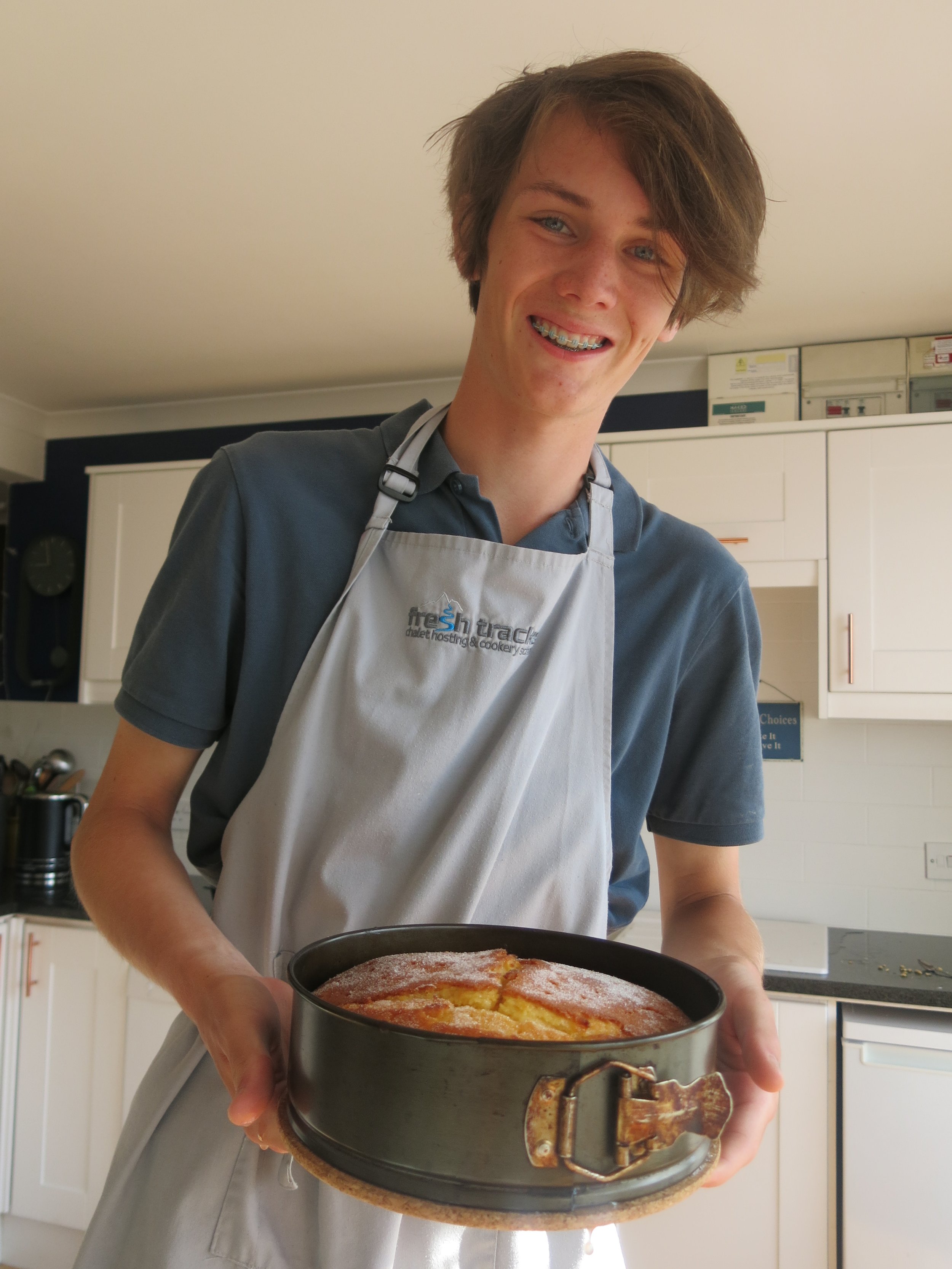
Learning the basics of baking
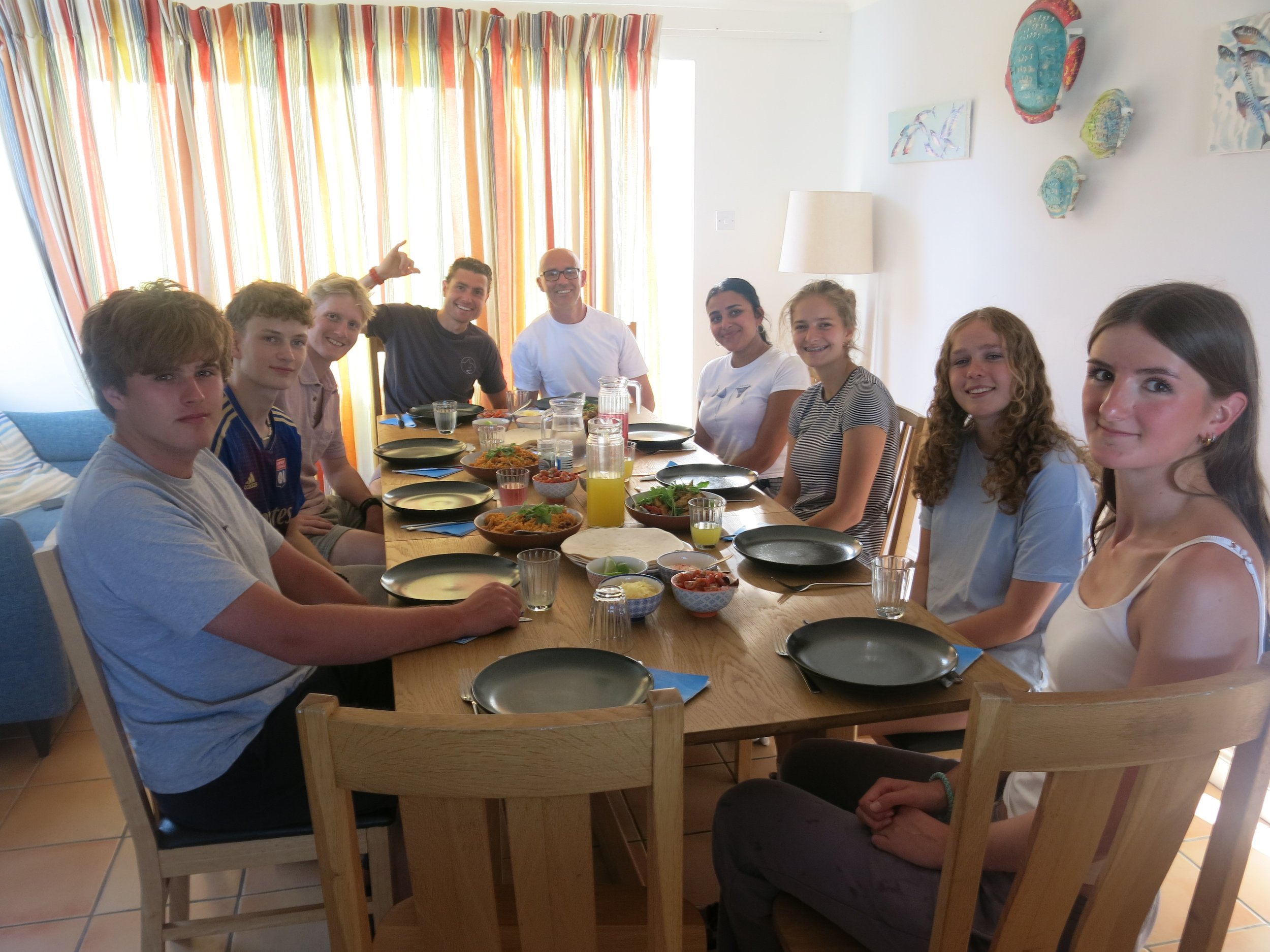
Students enjoying eating as a group
2. Planning meals and shopping for food
Being able to cook is only half the battle. You also need to get the food into the fridge in the first place.
Meal planning doesn’t need to involve complicated spreadsheets or deciding what you’re eating three weeks next Tuesday. It can simply mean looking ahead for a few days, working out what meals you might cook and deciding what ingredients you need.
Learning to make a shopping list, compare prices, check what you already have and buy ingredients that can be used across several meals can save a surprising amount of money as well as reducing food waste.
3. Managing a budget
For many young people, leaving home is the first time they have been responsible for managing a meaningful amount of money. The important thing isn’t necessarily being able to create a perfect budget. It’s understanding that money coming in has to cover everything going out. Rent, food, transport, socialising, subscriptions and all those small everyday purchases quickly add up.
Knowing roughly how much you can afford to spend each week and getting into the habit of checking your bank balance before rather than after spending is a simple skill that can prevent a lot of stress.
4. Doing your own laundry
It sounds obvious but washing clothes can be surprisingly confusing if you’ve never had to think about it before. What temperature should you use? What can go in together? How much detergent do you need? What shouldn’t go in the tumble dryer? And what exactly do all those symbols mean?
Nobody needs to become a laundry expert, but knowing how to separate clothes, use a washing machine, dry things properly and avoid shrinking your favourite jumper is definitely worth learning before leaving home.
5. Cleaning up after yourself
Living independently means there is no mysterious person who makes the kitchen clean again overnight. Knowing how to clean a kitchen and bathroom, change your bedding, and keep your room tidy are all basic skills particularly when you’re sharing a house with other people.
You don’t need to love cleaning. You just need to recognise when something needs doing and be prepared to do your share.
6. Living with other people
Living with friends, or complete strangers, can be one of the best parts of university, travelling or a season away. It can also be challenging. People have very different ideas about noise, washing-up, borrowing things, sharing food, having friends over and what constitutes an acceptable state for a bathroom.
Learning to communicate, compromise and consider the people around you is every bit as important as knowing how to cook or use a washing machine. Sometimes being a good housemate simply means noticing that the bin is full and emptying it without waiting for somebody else to ask.
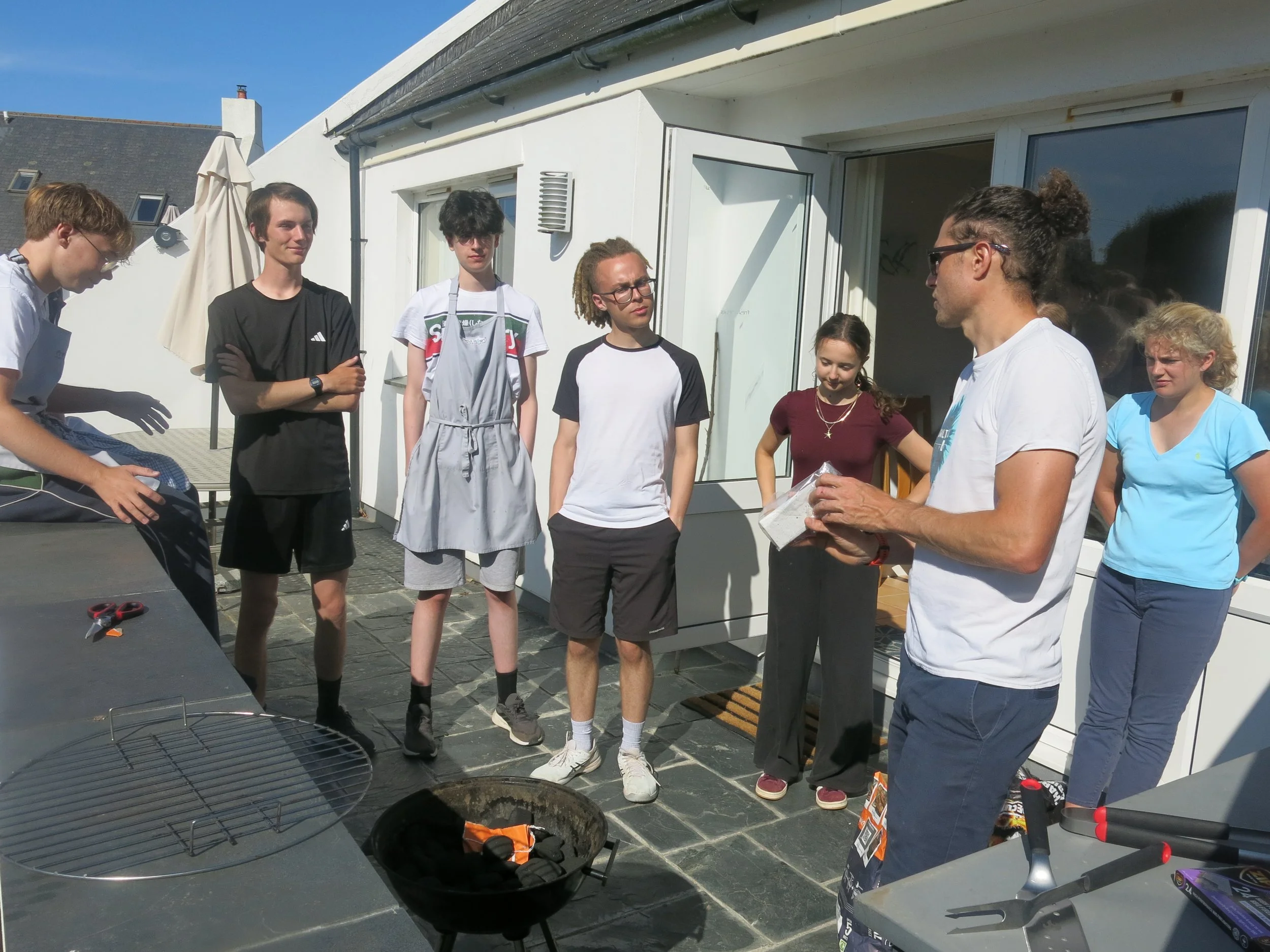
Students learning about BBQing
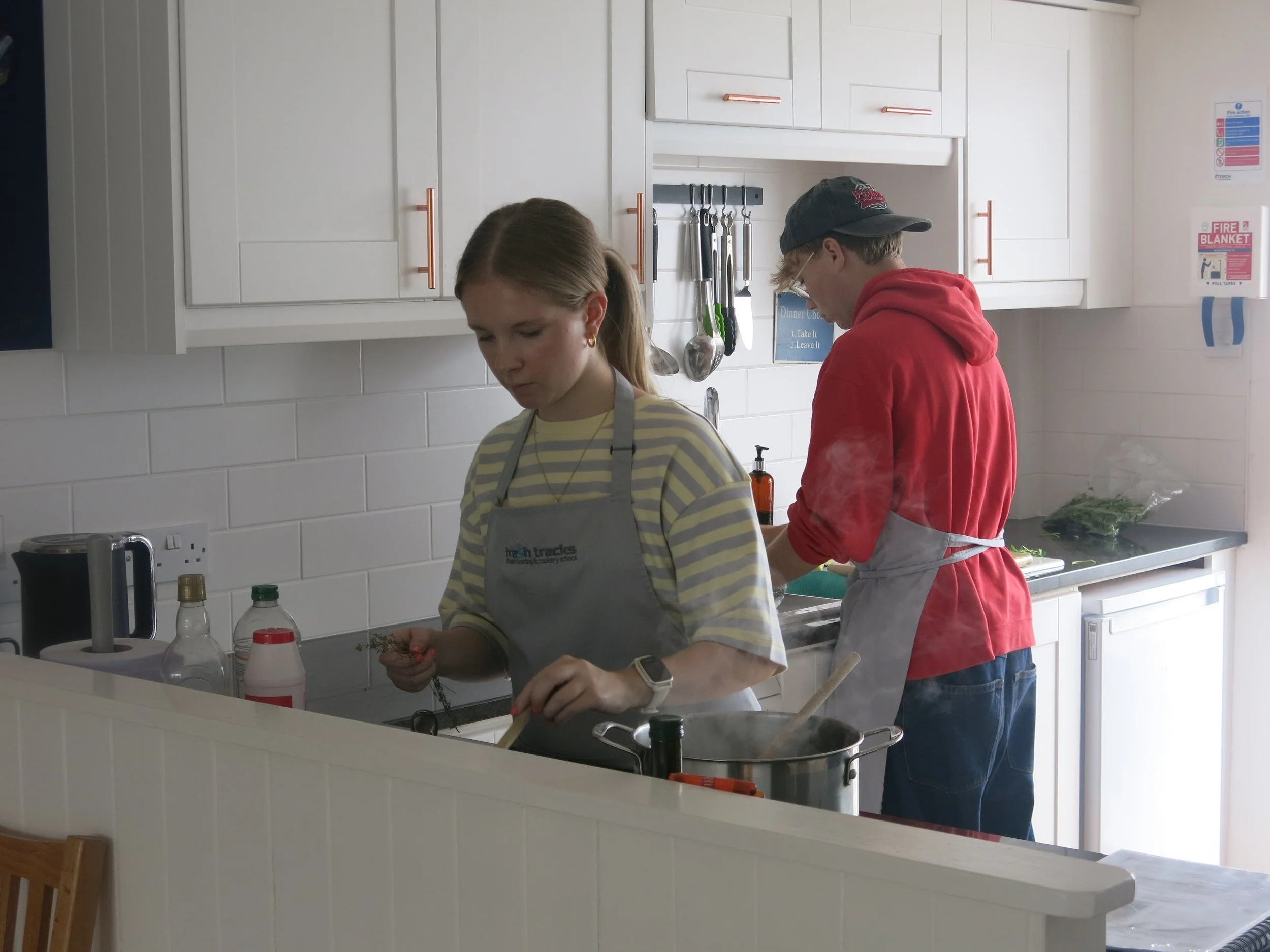
Team work in the kitchen, including washing up!
7. Understanding basic food hygiene
Knowing how to store food safely, understand use-by dates, handle raw meat, cool leftovers and reheat food properly can prevent a very unpleasant introduction to independent living. It can also help reduce food waste. Understanding the difference between “use by” and “best before”, for example, means you’re less likely to throw perfectly good food away unnecessarily.
8. Looking after yourself & Others
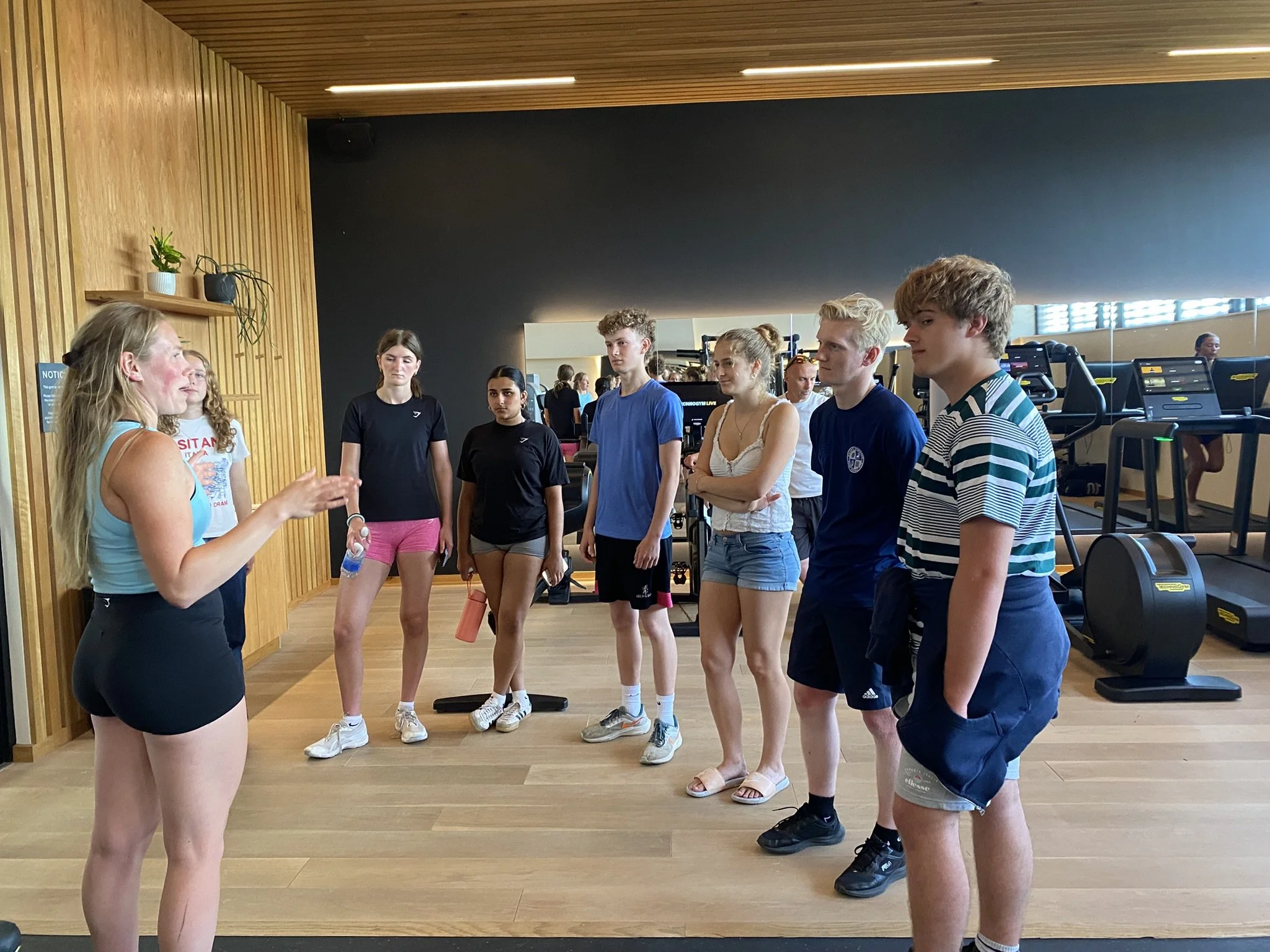
Understanding the importance of health and fitness
Leaving home often means nobody is keeping quite such a close eye on whether you’ve eaten properly, had enough sleep or spent the entire week running on coffee. Looking after yourself means recognising that food, exercise, sleep and downtime all affect how you feel. It also means knowing when something isn’t right and being confident enough to ask for help.
Independence isn’t about having to deal with everything on your own. Knowing when and where to get support is an important life skill in itself.
It also helps to know some basic first aid skills that could genuinely make a difference when they are needed, be that at work, at university or on a night out!
9. Sorting out everyday problems
The Wi-Fi stops working. A light bulb goes. The shower drain is blocked. You miss a train. Something you ordered doesn’t arrive. You’ve run out of an ingredient halfway through cooking dinner. Independent life is full of small problems. You don’t necessarily need to know how to solve every one of them. What matters is being prepared to work things out.
Learning not to panic when something doesn’t go quite as expected is one of the most useful skills you can take away from home.
10. Having the confidence to give things a go
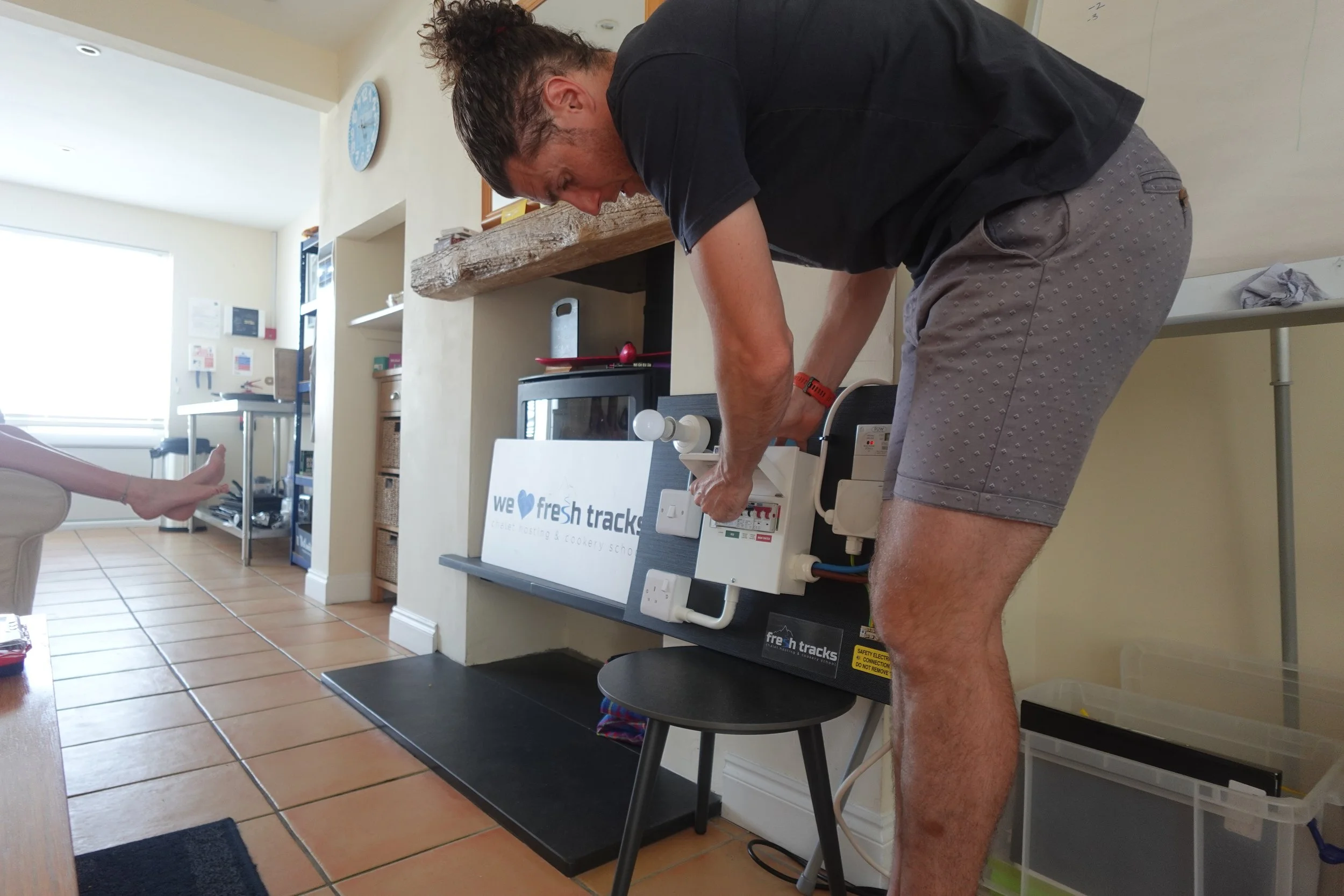
Learning basic home maintanence
Perhaps the most important life skill of all isn’t really a practical skill. It’s confidence. Not the confidence that comes from knowing how to do everything, but the confidence to try something when you’re not completely sure what you’re doing.
Your first meal might not be brilliant. You might accidentally turn a white T-shirt pink. You will almost certainly buy too much food at some point and discover something unrecognisable at the back of the fridge several weeks later. That’s part of learning.
The aim isn’t to leave home knowing everything. It’s to leave knowing that when something new comes along, you can probably work it out.
So…how can parents help teenagers prepare for leaving home?
One of the best ways to prepare a young person for independent living is simply to give them opportunities to practise while they’re still at home. Let them plan and cook dinner, give them a budget and ask them to do the food shopping, get them to put a load of washing on, let them organise a journey themselves or take responsibility for sorting out a small problem.
It can sometimes be quicker and easier to do these things for them but having the chance to get things wrong in a familiar environment is incredibly valuable. And if they can learn alongside other young people who are at the same stage of life, even better.
That’s where we can help…
Our residential Life Skills Course in Polzeath, Cornwall is designed for young people preparing to leave home for university, a gap year, work, travelling or shared accommodation.
Cooking is at the heart of the week, but the course is about much more than food. Students spend the week learning and practising everyday skills while living alongside other young people and gradually taking more responsibility for themselves. It’s practical, supportive and sociable with plenty of opportunities to try things, make mistakes and learn along the way.
Because ultimately, preparing to leave home isn’t about knowing how to do everything. It’s about having the skills and confidence to work things out for yourself.

Making new friends in the beautiful setting of Polzeath, Cornwall.
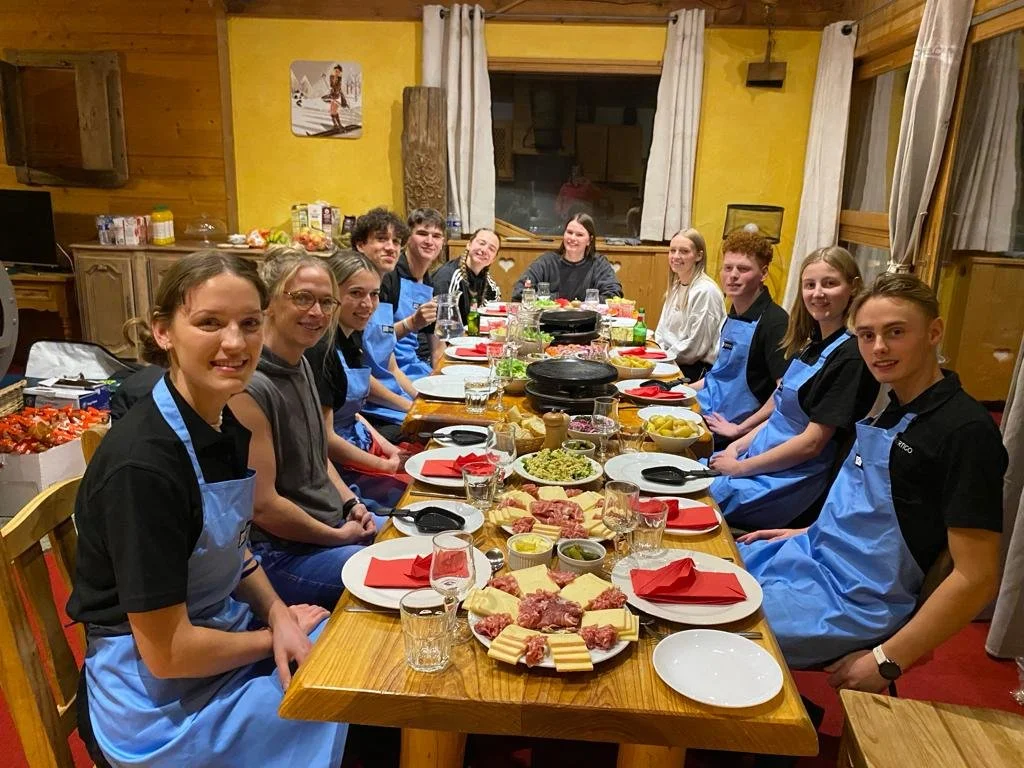
How to Become a Chalet Host for Winter 2026/27
At Fresh Tracks we are passionate about chalet hosting and can’t think of a better way to spend a winter season. Take a minute to find out why and let us explain how you can do it too!
Becoming a chalet host is one of the most exciting ways to work a ski season. It combines cooking, hospitality, teamwork, and life in the mountains and as a result competition is high. This means employers are keen to see what preparation you’ve done and what experience you have gained. The good news is that you don’t need to be a professional chef, and there are no formal qualifications to become a chalet host, however you do need to show that you are reliable, capable, and ready for a real working environment and with some focused training you’ll really stand out from the crowd.
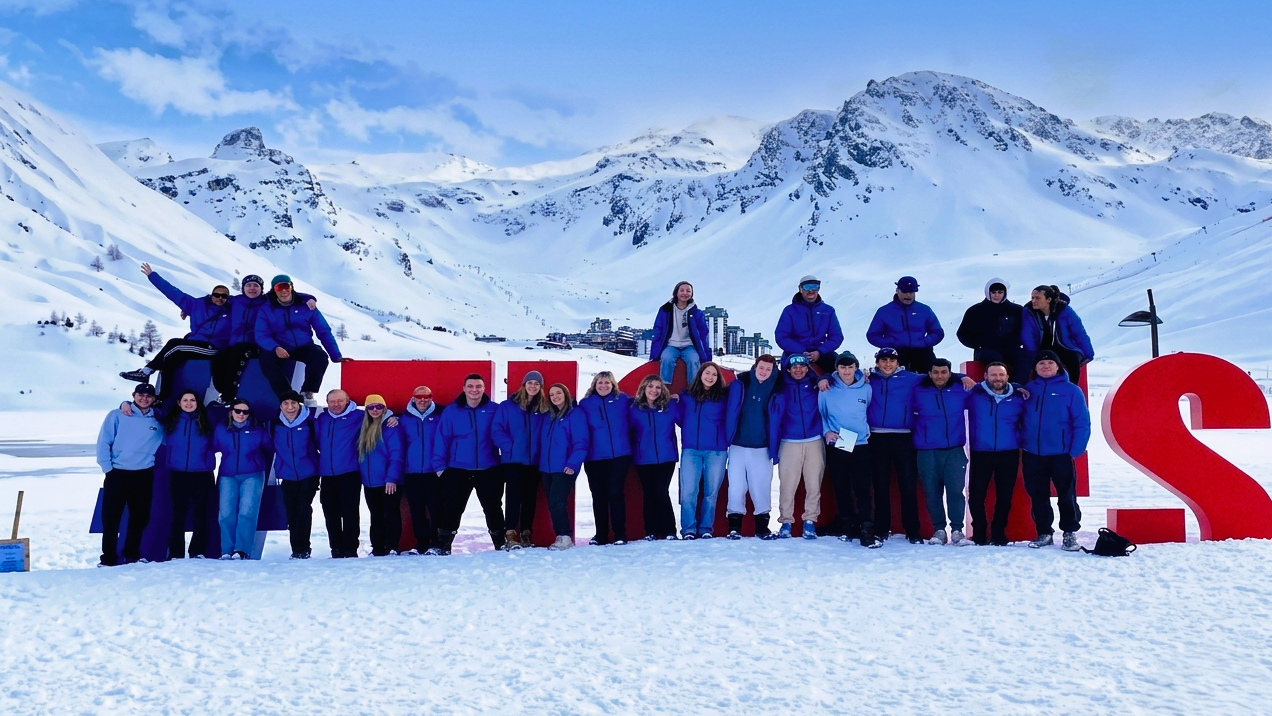
Chalet host team in Tignes
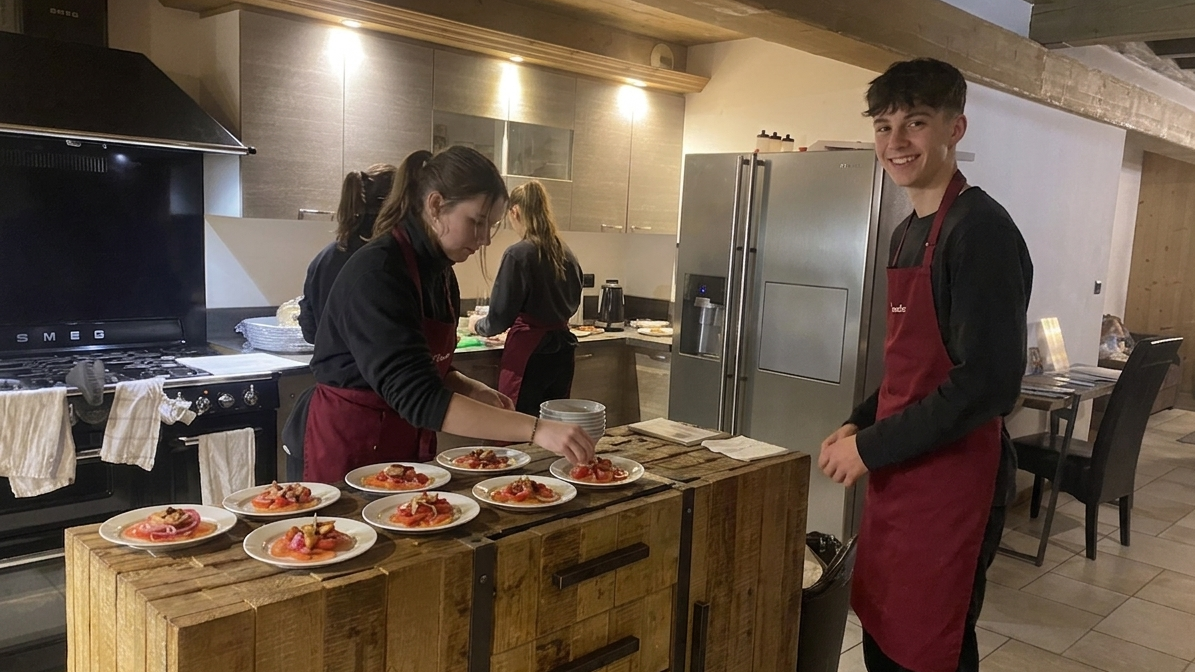
Working as a chalet host.
What does a chalet host actually do?
A chalet host is basically responsible for delivering a high standard of guest experience to people who book on a ski holiday staying in a catered chalet. The key duties of a chalet host include:
· Preparing breakfast and afternoon tea
· Cooking and serving 3/4-course evening meals
· Cleaning and maintaining the chalet to a high standard
· Providing friendly, professional guest service
· Working closely as part of a team in the resort
It is a hospitality role first and foremost with cooking being one part of a wider set of responsibilities.
What sort of people are employers are looking for?
While enthusiasm for skiing, or learning to ski, is important, companies are ultimately looking for evidence that you have a strong work ethic and that you genuinely care about giving guests the best possible holiday experience. All this means you need to demonstrate you have the following attributes:
· Motivated & reliable
Evidence that you can manage your time and multitask during a busy day and that you can be trusted to deliver a top-quality service week in week out.
· Problem solving
Confirmation that you can think on your feet when things don’t go to plan (think delayed arrivals, broken ovens, late food deliveries etc).
· Hardworking & organised
Proof that you have the stamina and commitment to work the whole season and that you can be trusted to work confidently and make decisions.
· Communication skills
Show that you are a people-person and can engage in conversation with various individuals, as one minute you might have a multi-generational family as guests and then the next, a stag do!
· Teamwork
That you have worked with others under pressure, taken instruction, and supported a shared goal.
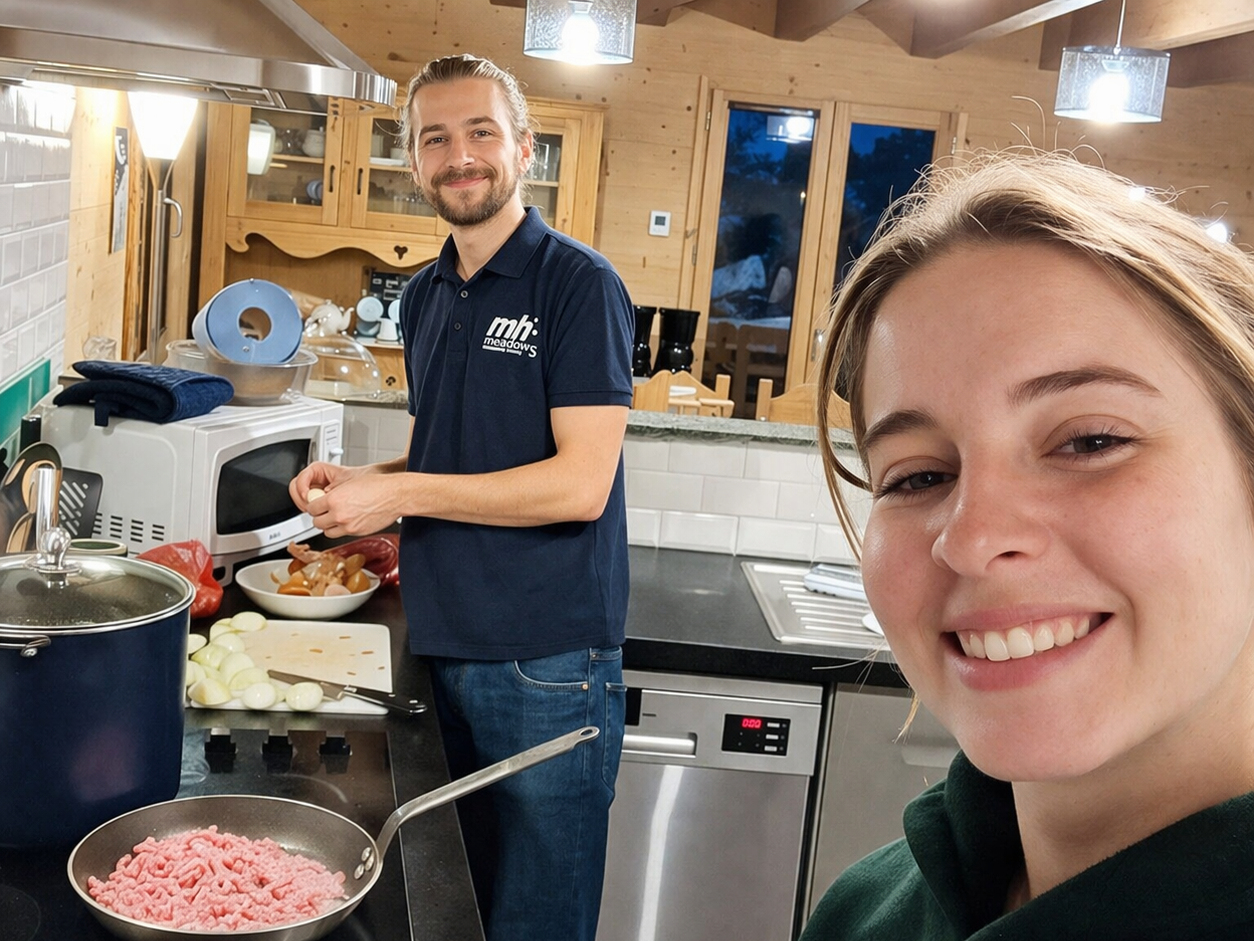
Cooking in the chalet kitchen
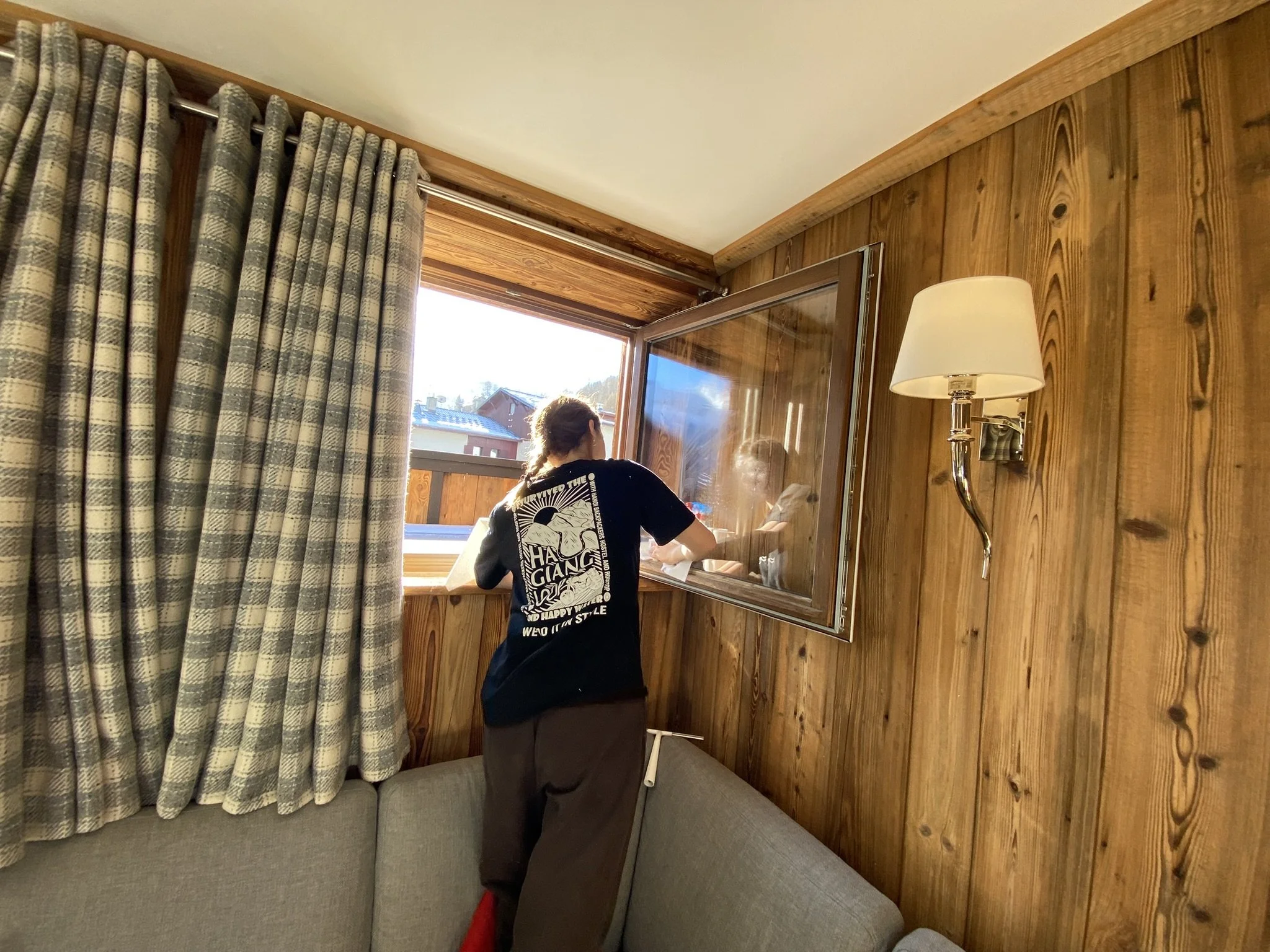
Cleaning on a changeover day
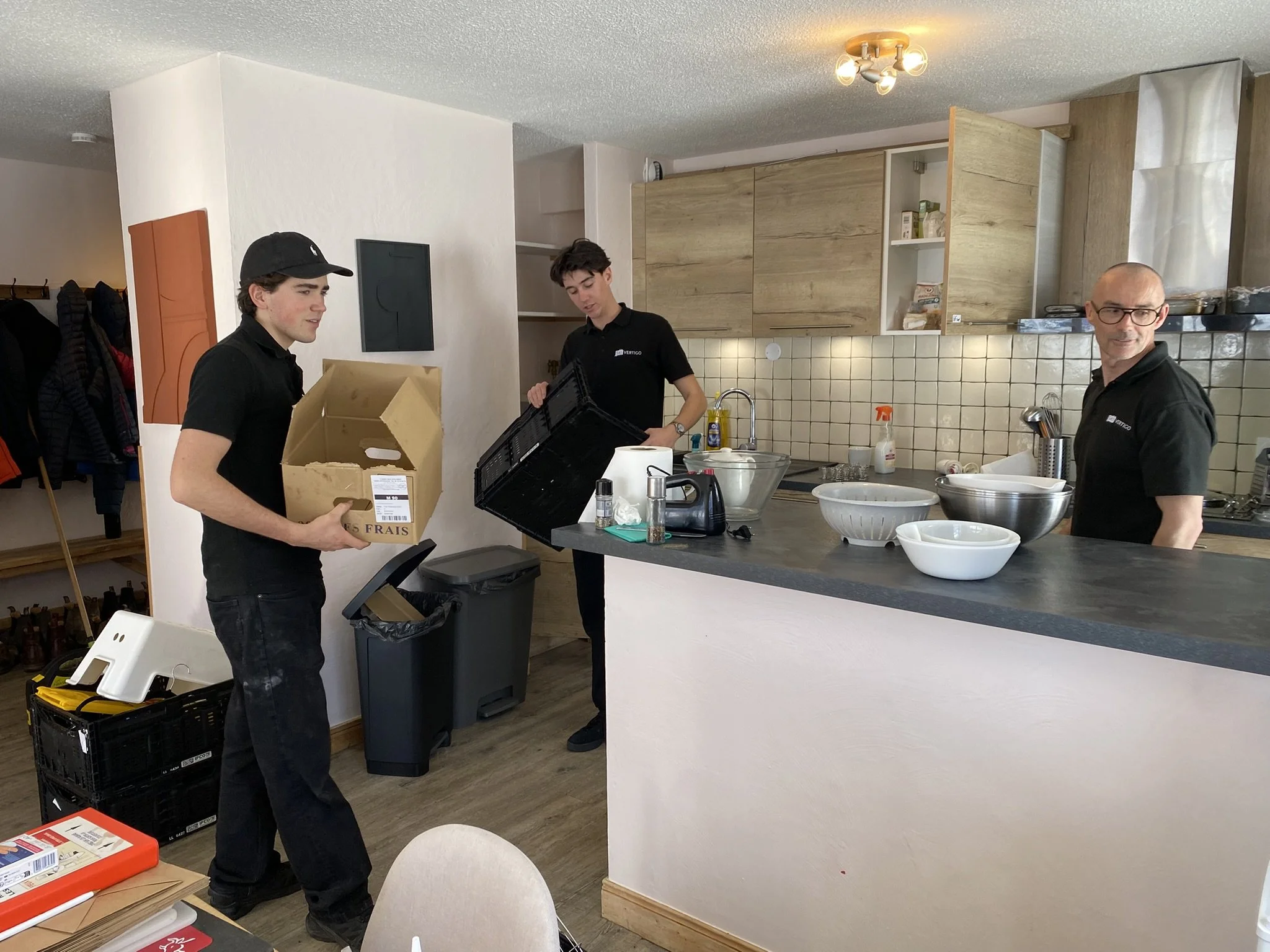
Sorting out deliveries
What sort of work experience do you need?
So, we’ve established you don’t need to be a professional chef to be a good chalet host, but ski companies ideally want their chalet hosts to have had some real-world work experience, and the following is highly valued:
1. Hospitality experience
Employers strongly prefer candidates who have spent time working or helping in these sorts of roles:
· Café assistant / barista
· Waiting/waitressing in a restaurant
· Pub or bar work
· Hotel roles (breakfast host, housekeeping, reception)
· Event catering / weddings
Any experience where you’ve maintained high standards is valuable, as this kind of experience shows you understand the discipline and consistency required in chalet environments, you understand customer service and have dealt with real guests, and that you have had to work under pressure and know what constitutes as high standards. Even a few months, or some work experience in school holidays, makes a huge difference.
2. Kitchen / food-related roles
Other roles that show confidence around food, that you have awareness of food hygiene and safety and can work in a kitchen environment are also good. For example:
· Kitchen assistant
· Bakery work
· Helping with catering or food prep for any occasions (even personal events)
3. Cleaning & housekeeping roles
Often underrated, but very relevant, are positions which have required you to maintain cleaning standards. This matters because chalets must be kept spotless every day and ski companies will want to know you understand attention to detail and take pride in having high standards, think…
· Hotel housekeeping
· Cleaning jobs
· Airbnb / holiday let changeovers
4. Other customer-facing roles
Any role which involves customer service is also valuable as this shows your confidence in dealing with people and that you can represent a brand professionally. Good examples could include:
· Retail jobs
· Front desk / reception
· Leisure centers roles
5. Team-based / responsibility roles
Whilst not chalet role specific, positions to demonstrate your teamwork skills and show responsibility and initiative could include:
· Summer camps
· Coaching (sports, kids)
· DofE volunteering
· School leadership roles

Bar work

Cleaning jobs

Barista role

Receptionist work
Beyond work experience, employers are looking for people who demonstrate:
· Genuine passion for cooking
· Confidence interacting with guests
· Pride in presentation and standards
· A positive, proactive attitude
· The ability to deliver consistent guest care
In short, they want people who don’t just want to do a ski season they want people who understand hospitality and recognise they have an important job to do.
How best to prepare for a chalet season
If you are aiming for your first chalet role, the best approach is to combine real work experience with structured training and practical cooking. At Fresh Tracks, we help you build your confidence and give you a real taste of chalet life.
Our 5-day chalet hosting residential course is an immersive experience focused on how to work under real-time pressure to prepare and serve chalet-style meals. We also cover cleaning and guest service standards to build the kind of experience employers recognise and value.
Our training courses are well respected within the ski industry because they focus on practical skills and not just individual recipes or theory alone. They are designed to strengthen and support your experience, helping you feel confident and prepared when you apply. However, it is important to understand that training alone is not enough, employers still want to see real work experience and a genuine passion for cooking and guest care.



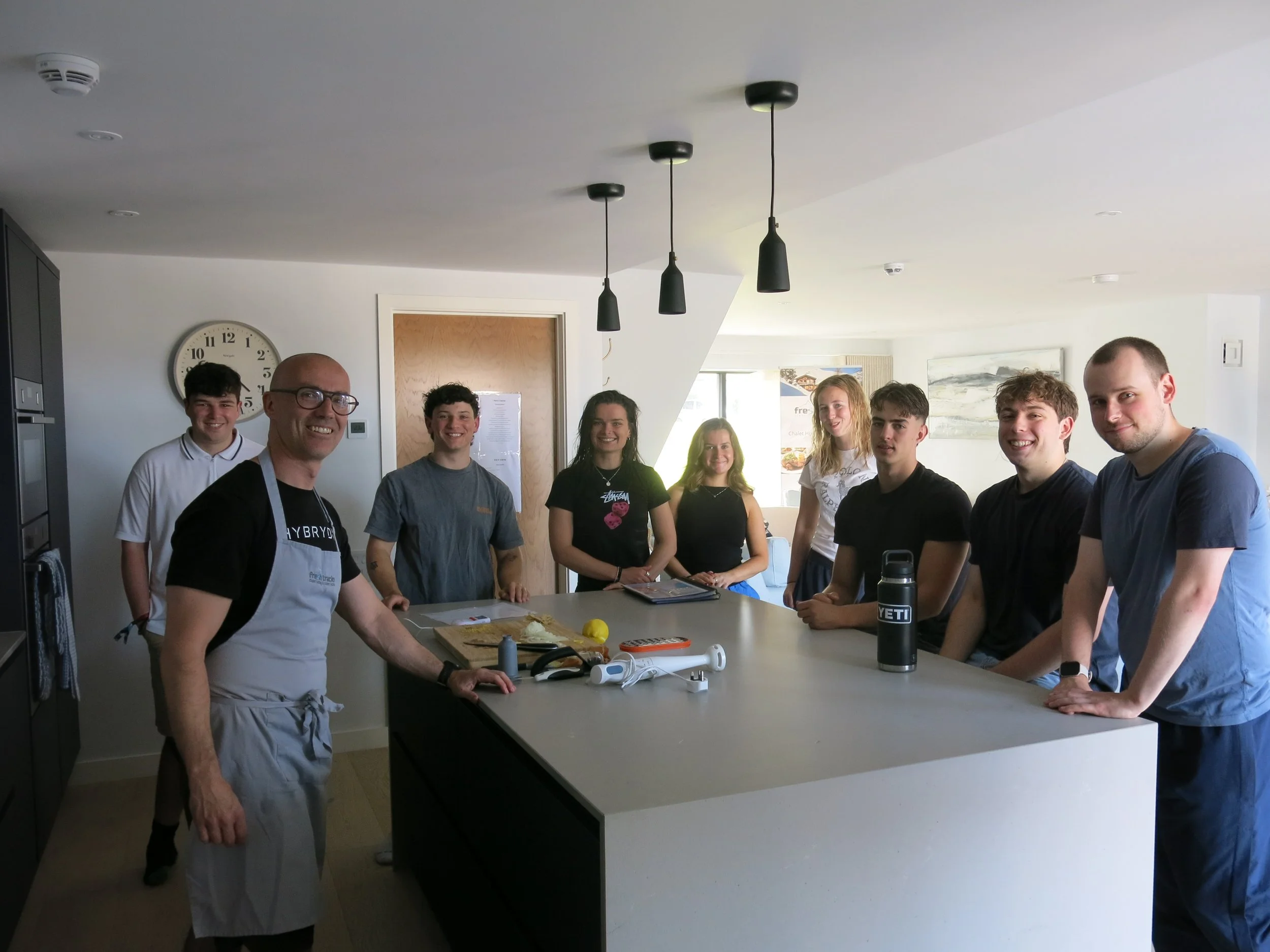
Final thoughts
Working as a chalet host is an incredible opportunity but it is also a professional role that requires preparation. With the right preparation, a ski season is absolutely within reach, and it starts with building the right foundations…so why not start now!

Why Young People Are Socialising Less — and How Fresh Tracks Can Help
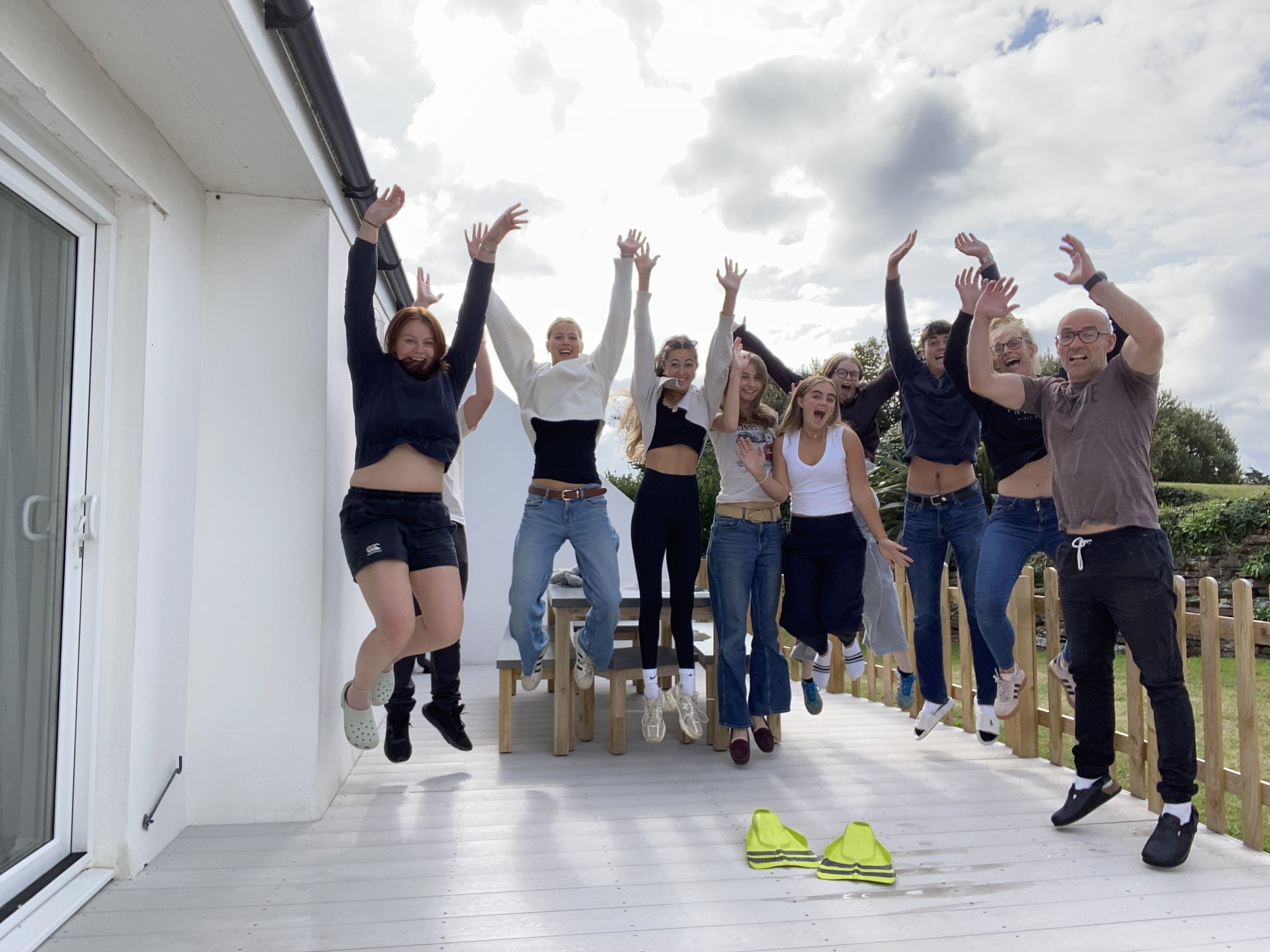
Young people today are socialising less than ever — but that’s not necessarily a good thing.
As the BBC recently highlighted, fewer face-to-face experiences mean fewer opportunities to build confidence, teamwork, and social skills — the kind that really matter in life.
At Fresh Tracks, our cookery and chalet hosting courses are designed to bring young people back together. Through shared cooking, living, and laughter, students reconnect, learn to work as a team, and rediscover the joy of real-world interaction — skills that last far beyond the kitchen.
In a recent BBC video titled “People Are Partying Less. Here’s Why That’s Worrying,” researchers explored an interesting cultural shift: young people today are going out, meeting up, and socialising far less than previous generations. Nights out have become rarer, and even casual get-togethers are on the decline.
At first glance, that might sound like a harmless change — fewer hangovers, more early nights! But as Katty Kay and Derek Thompson highlight, this trend reflects something deeper: a growing gap in real-world connection.

The Rise of Digital Socialising
With phones, gaming, and social media providing easy ways to stay connected online, many young people now interact through screens far more than in person. Add in the cost of living, safety concerns, and the lingering effects of the pandemic, and it’s no wonder many teens and young adults find it easier to stay in.
But while online connection is convenient, it’s missing something vital: the human warmth, body language, and laughter that come with real shared experiences.
Those unplanned moments — chatting over dinner, cooking together, meeting new people — play a huge part in helping young people build social confidence, communication skills, and resilience.
Why This Matters
Social skills are learned, not inherited. They’re built in everyday moments: through teamwork, conversation, and navigating new social settings.
If young people are socialising less, they may be missing chances to:
Build confidence with new people
Develop empathy and teamwork
Learn to communicate and resolve challenges
Feel comfortable in unfamiliar environments
These aren’t just “soft skills” — they’re life skills. And they make all the difference when moving to university, starting a job, or working abroad.


How Fresh Tracks Helps Young People Reconnect
At Fresh Tracks, we see this every year. Students arrive on our Chalet Hosting or Off to Uni courses expecting to learn how to cook — and they do — but they leave with so much more.
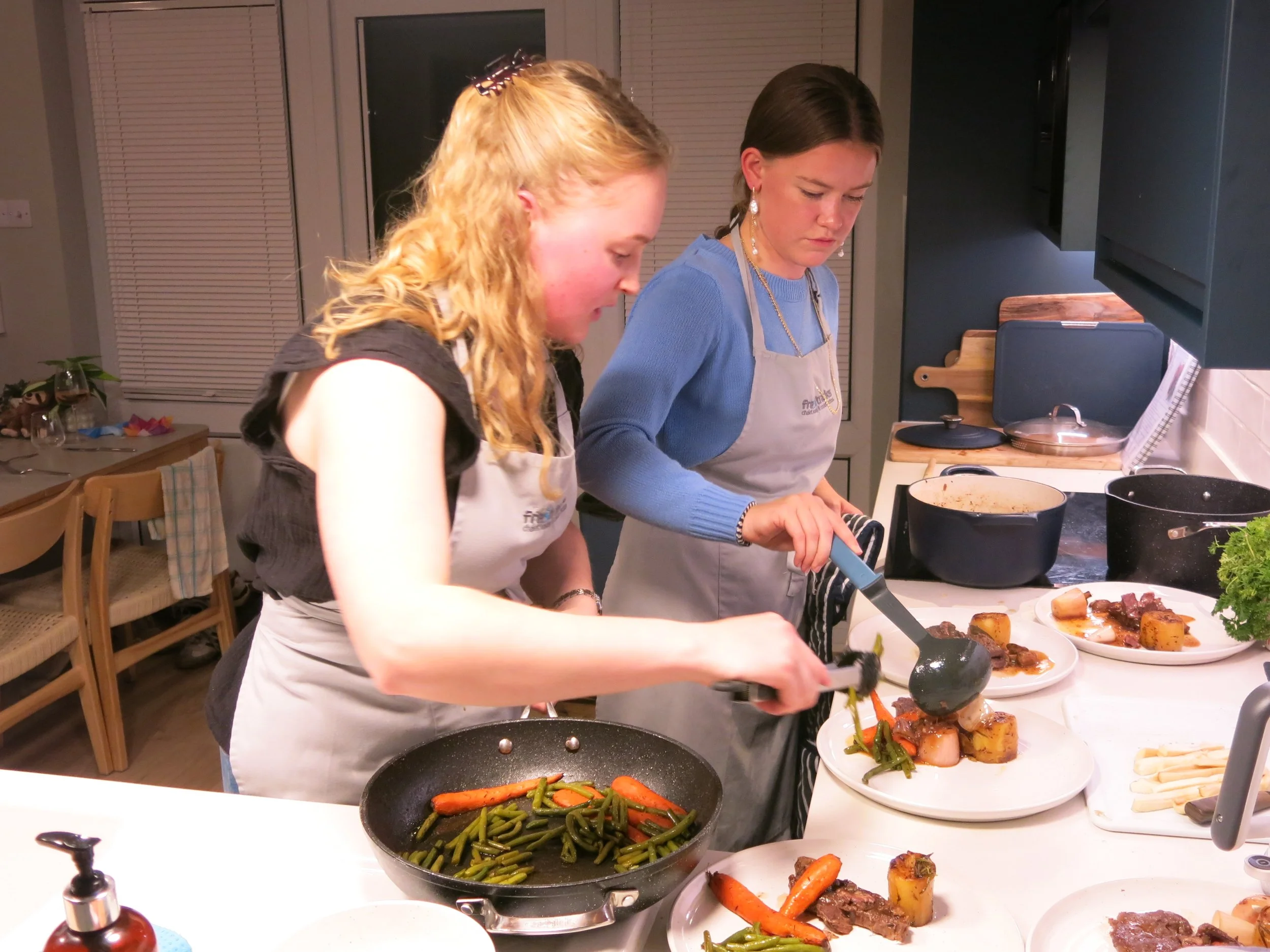
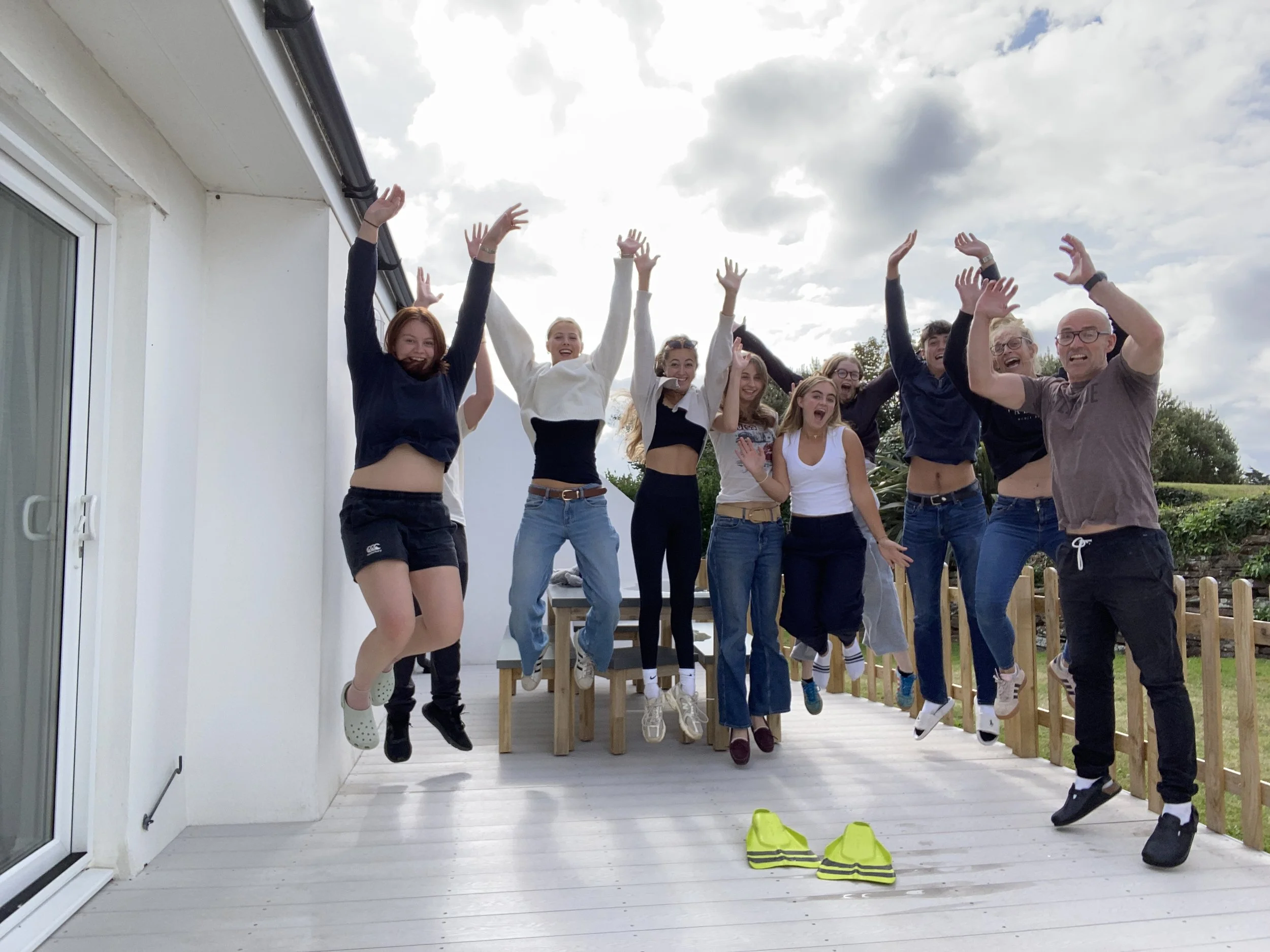
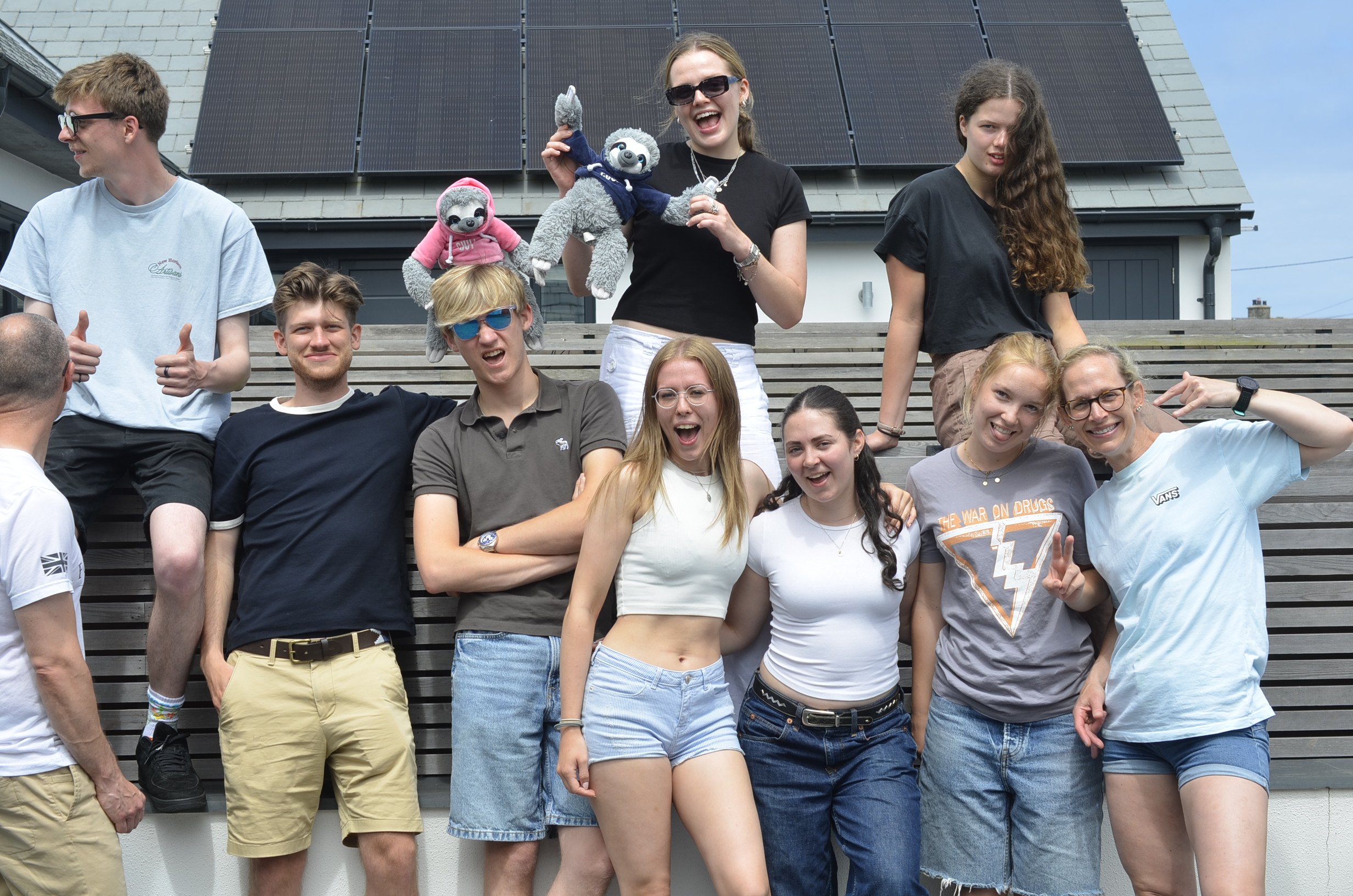
Our courses are built around real interaction. Students live, cook, and eat together. They share tasks, laugh over kitchen mishaps, but support each other no matter what their experience. In just five days, they go from strangers to supportive friends.
Here’s how our courses help bring back those essential social connections:
Team Cooking & Hosting
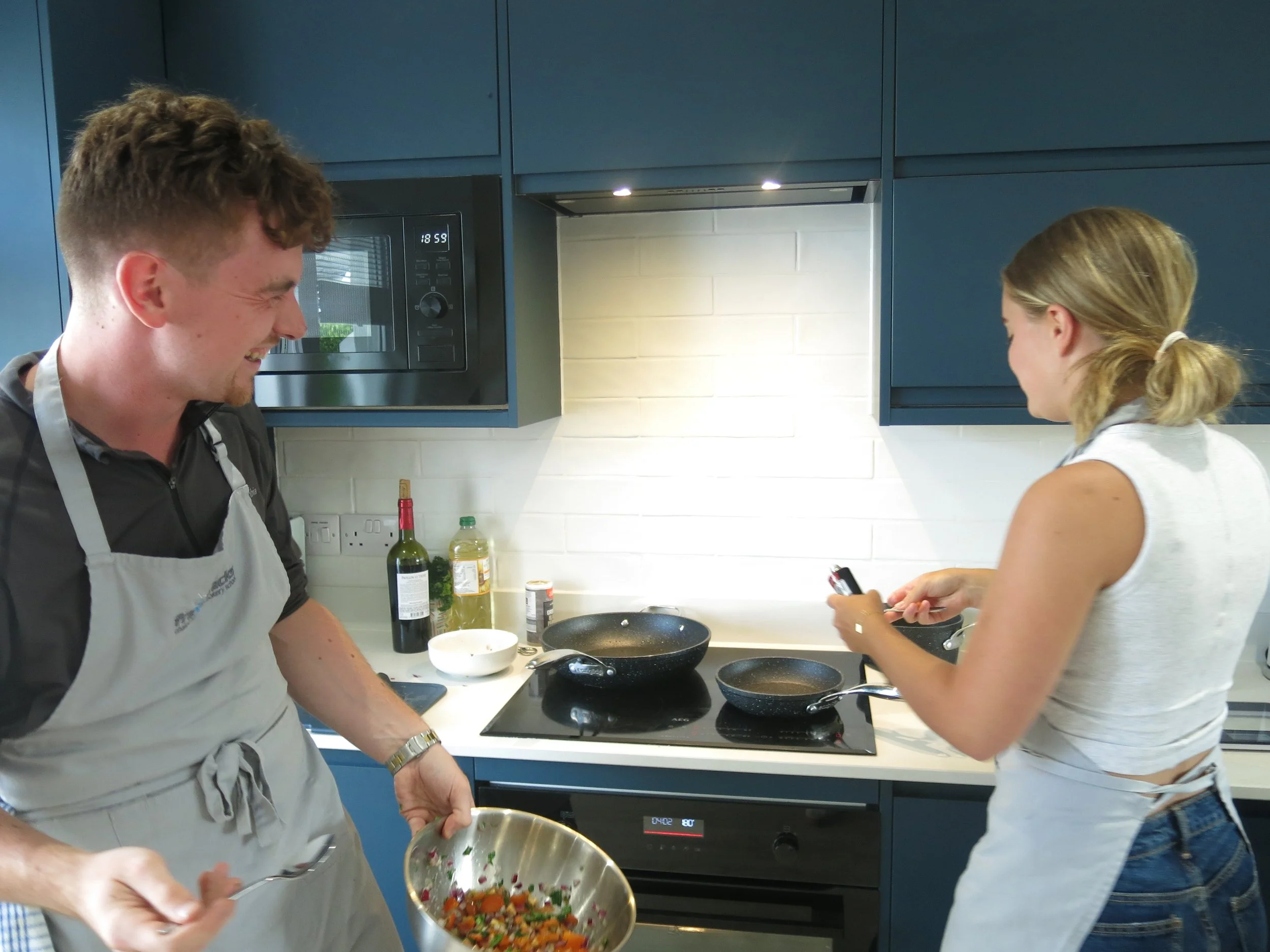
Working together in a kitchen or hosting guests demands teamwork, patience, and communication. It teaches young people how to share space, support one another, and work calmly under pressure — all in a friendly, fun environment.

Living Together
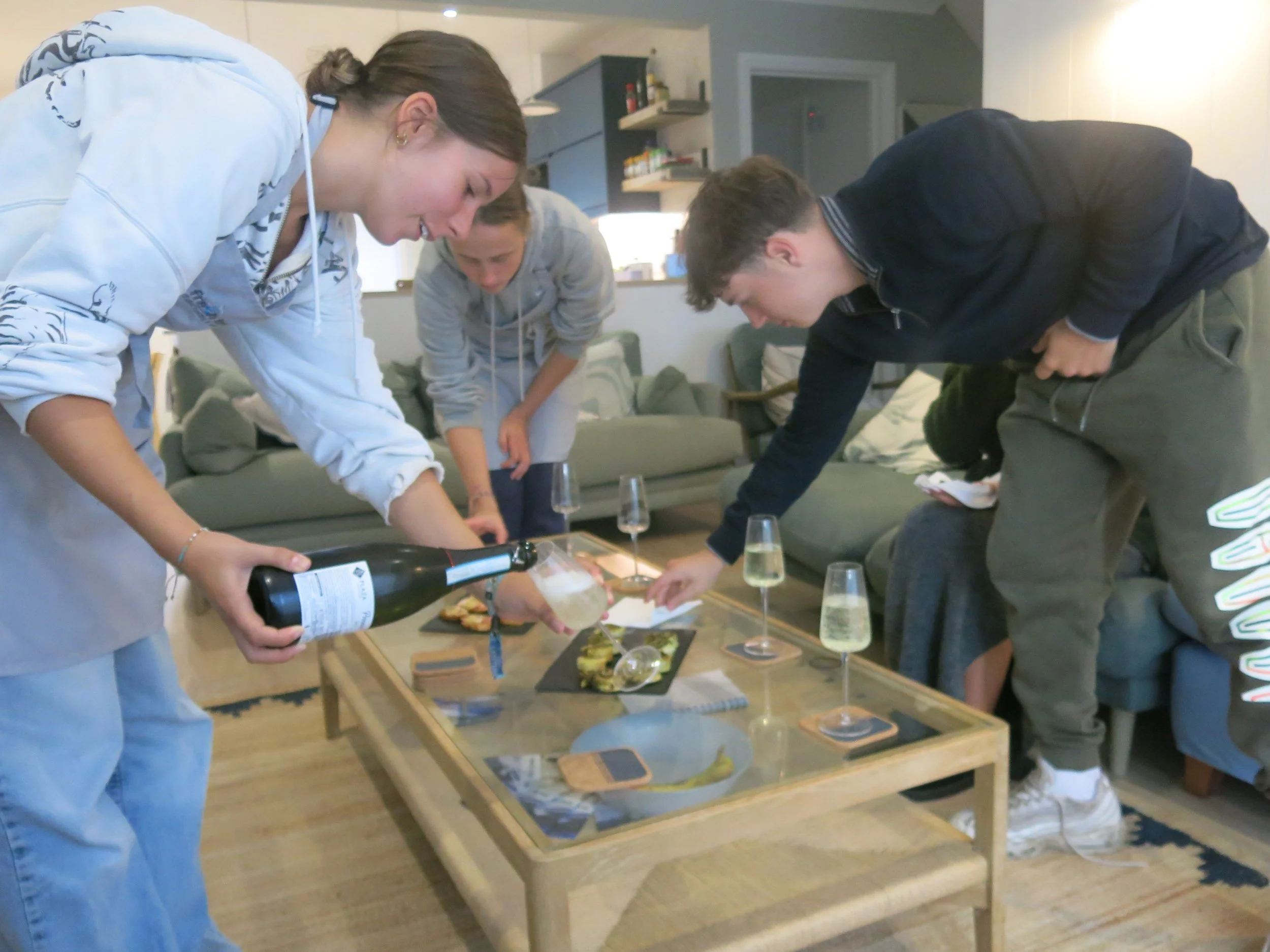
Our residential setting gives students a taste of real independence. They learn how to navigate shared living, manage time, and respect each other’s space — the kind of social growth that doesn’t happen behind a screen.
Preparing for Real-World Adventures
Whether they’re heading off to university or planning a ski season abroad, our students learn to step confidently into new environments. They’re equipped not just with practical skills, but with the self-assurance to make friends, adapt, and thrive.
Beyond Cooking — Building Confidence for Life
We often say Fresh Tracks isn’t just a cookery school; it’s a life skills school. Our courses are about giving young people the confidence to connect — to talk, laugh, lead, and live well with others.
In a world where socialising is increasingly digital, these real-world experiences are invaluable.
So while fewer parties might be the new normal, the need for genuine human connection has never been greater. And that’s exactly what we aim to create — one shared meal, one conversation, and one laugh at a time.
Interested in finding out more?
Explore our upcoming Chalet Hosting and Off to Uni courses at www.freshtrackschaletschool.com.
Chalet Hosting and Off to Uni Cooking Courses - 2025 Round-Up
What a year it’s been for Fresh Tracks!
After eight years of running residential courses alongside our previous pizza business and winters away chalet hosting ourselves, 2025 was the year we decided to take the plunge and go all in with the cookery school. Our goal? To grow our chalet host training and expand into new life skills courses that help young people feel confident heading off to university or stepping into independent living.
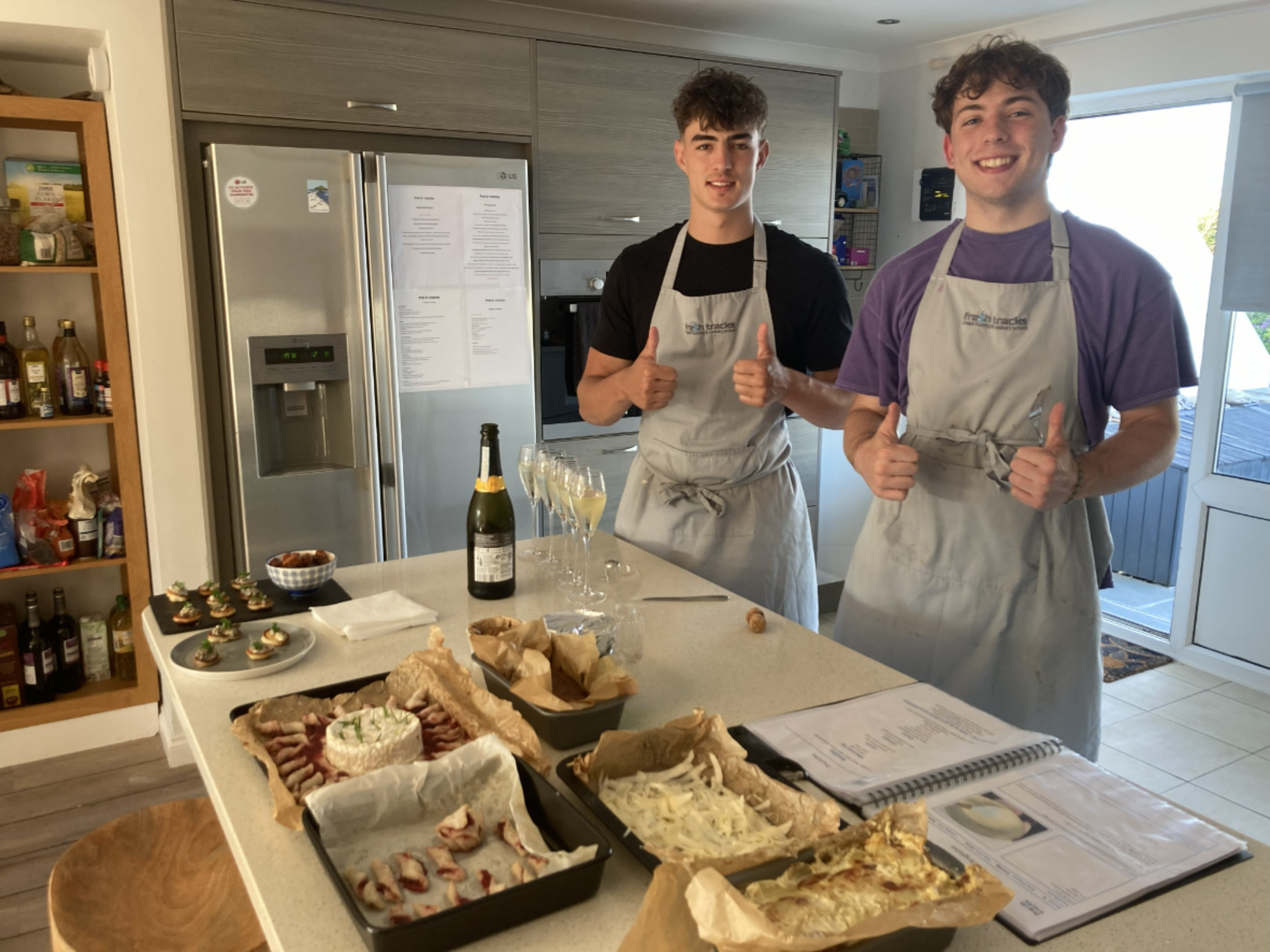


While we’ve always been confident in the quality of what we offer, we’ll admit our marketing skills were a little rusty! Promoting ourselves and building brand awareness felt daunting at first but with determination we threw ourselves into strengthening connections across the ski industry and making new partnerships with schools and the Duke of Edinburgh Award to reach a wider audience.
Launching our off to uni courses was a key highlight of the year. These are perfect for students who may not be heading into chalet work but still want to improve their cooking and gain essential life skills. We saw just how valuable good, practical training can be, and we’re excited to continue to grow these courses alongside our specialism in chalet host training.

Fueling up at breakfast for a full day of learning.

Our courses can be used to obtain your Gold Residential DofE Award.
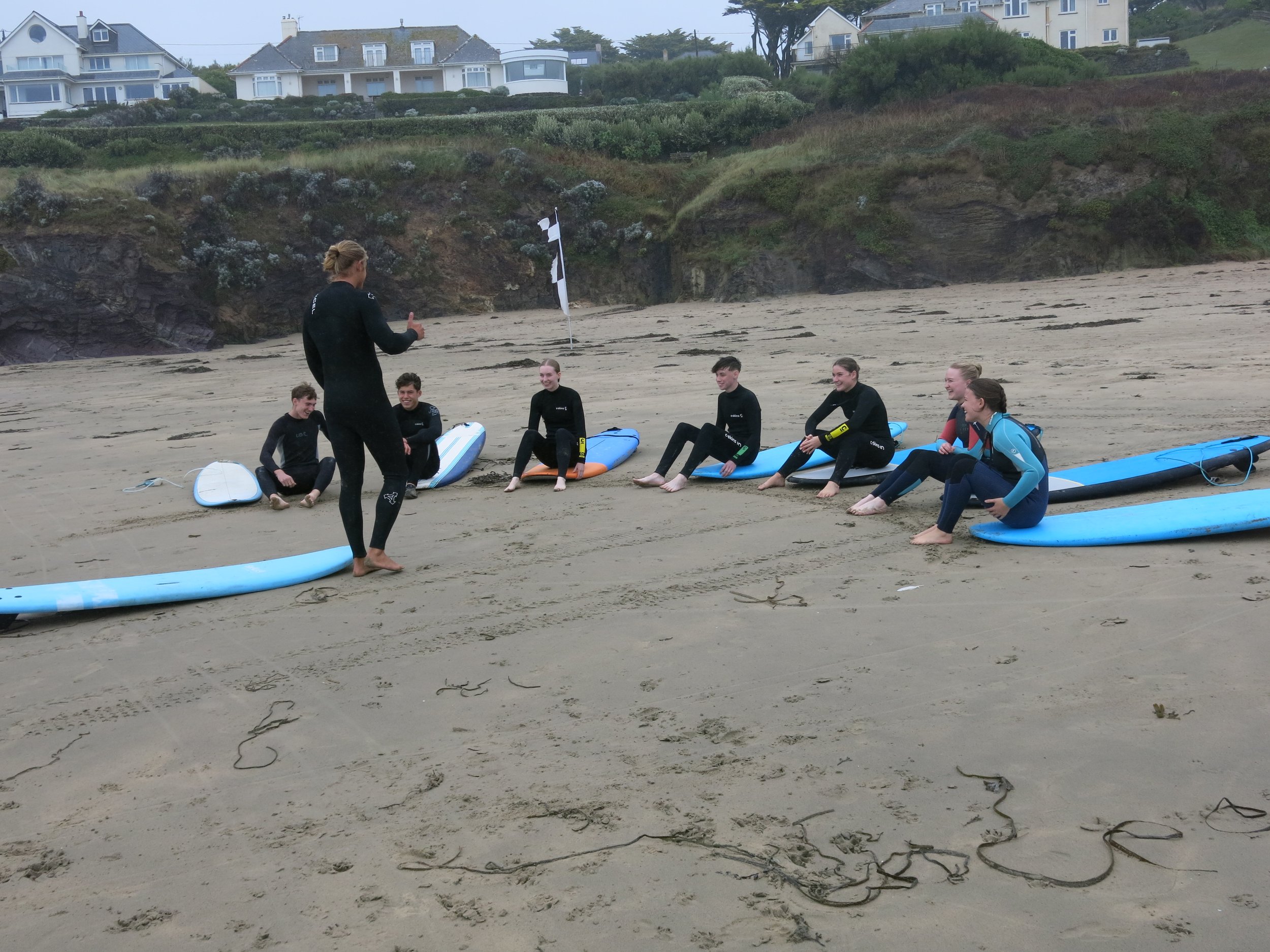
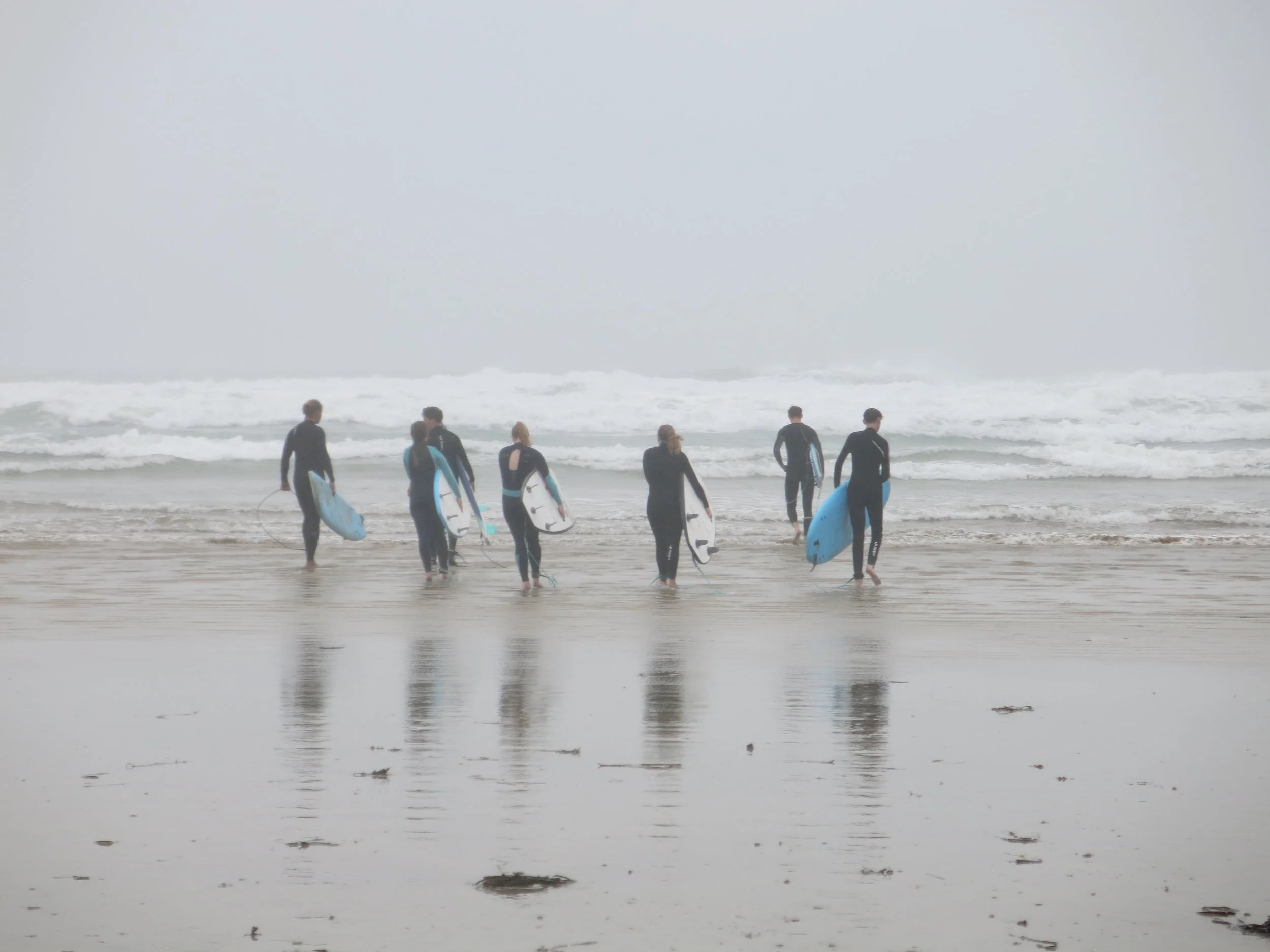
While maintaining our personal, relaxed, and fun Fresh Tracks atmosphere, our coastal location continues to be a big part of the magic. With the beach, surf, tennis courts, and gym all accessible for students they are able to make the most of every moment outside the kitchen.


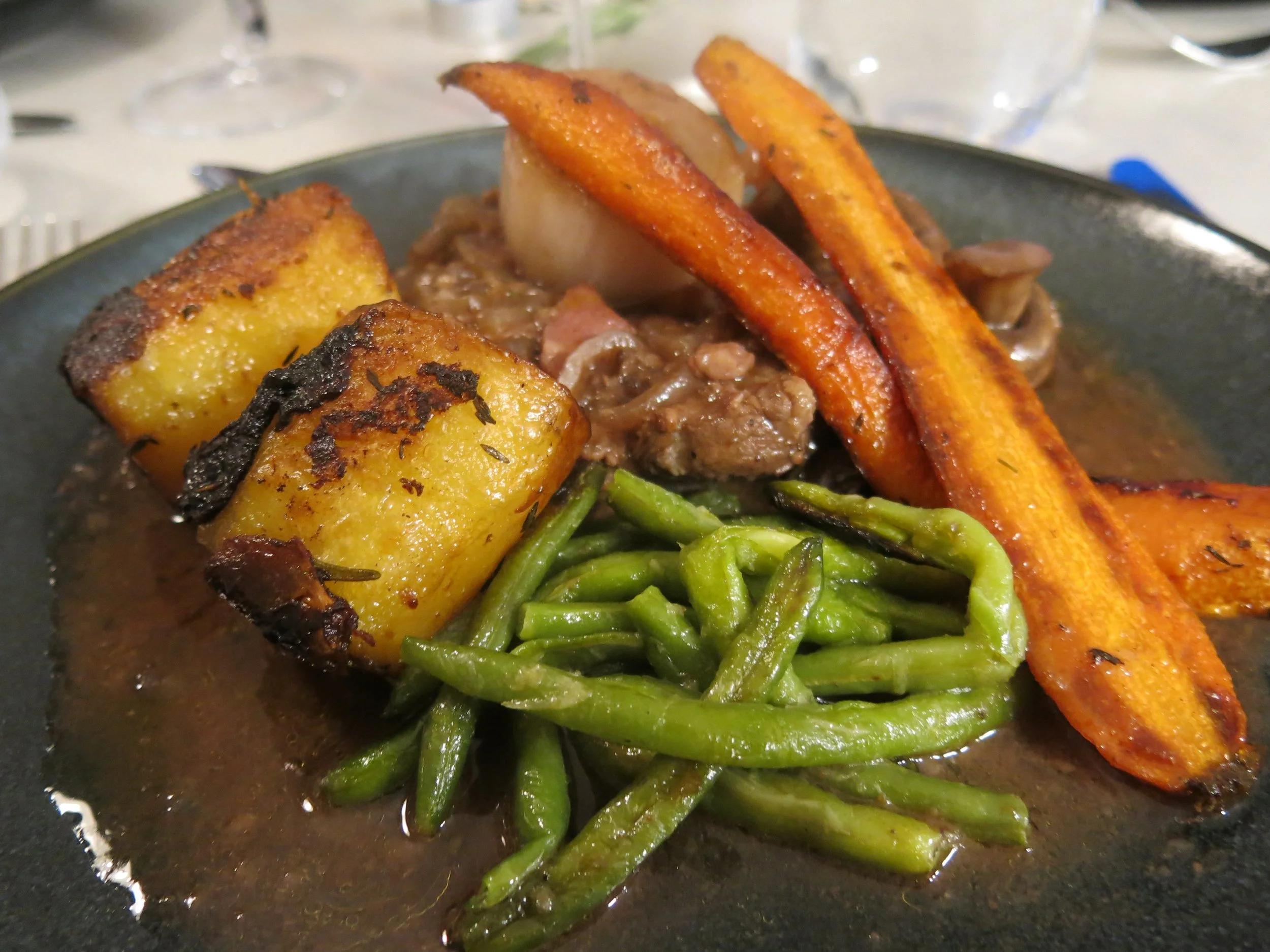
And speaking of the kitchen, what a feast! From hearty breakfasts, to laid-back lunches, scrumptious cakes and beautifully presented evening meals, we’ve been spoiled with some seriously delicious food this year. Whether they arrived as novices in the kitchen or passionate cooks, every student left with new skills, creative inspiration, and a huge boost in confidence.





Was it tiring? Absolutely. Was it worth it? Without a doubt.
We’re already gearing up for an even bigger and better 2026 with more courses, more learning, and plenty more smiles.
👉 Check out our 2026 course dates and make sure you don’t miss out on joining one of our fantastic residential weeks.

When Should I Apply for a Chalet Host or Winter Season Job?
As most people start reaching for the sun cream and dreaming of sandy beaches, ski companies are already shifting gears as recruitment for the 2025/26 winter season has begun. Yes, really!
While skis and snowboards are being stored away and seasonnaires are reminiscing about the epic end of season April snow dump, ski companies are busy planning for next winter.

Snowfall in April 2025…..

2 weeks later…summer arrives
Once current staff have been offered the chance to rejoin, the doors are opened wide for new applicants ready to carve their own unforgettable winter in the mountains. This means if you're dreaming of a ski season filled with snow, adventure, and opportunities, now is the time to act.
Want to Be a Chalet Host?
Landing a chalet host job is competitive. Whether you're taking a gap year, planning a career break, or seeking a lifestyle change, you need more than enthusiasm, you need the right skills and a standout application. That means:
Researching ski companies you’d love to work for
Crafting a tailored CV that highlights your hosting, cleaning, and cooking abilities
Writing a personalised covering letter that shows your professionalism and personality
A basic, copy-paste application won’t cut it - this is your chance to shine.

Serving welcome drinks and canapes in the chalet.
Don’t Know Where to Start?
Check out our Getting a Job page on the website where you will find more details and answers to many of your questions, plus links to loads of companies, organisations and forums who advertise the latest seasonal jobs and vacancies. How to Get a Chalet Hosting Job – Tips & Advice from Industry Experts — Fresh Tracks Chalet Hosting and Cookery School
Let Us Help You Stand Out
If you’re unsure about the role or want hands-on experience before applying, our residential summer courses in Cornwall are designed just for you. Spend time learning the real skills of chalet hosting and get expert support with your application.

Gain practical experience in cooking, cleaning, and hospitality
Receive tailored advice to craft an application that stands out
Be part of a well-known training provider recognised by top ski companies
While the ski companies will be making the all-important hiring decisions, many of them know our students and our training standards so completing one of our courses will put you in a great position from the start.
Make the Most of Summer, Plan for Winter
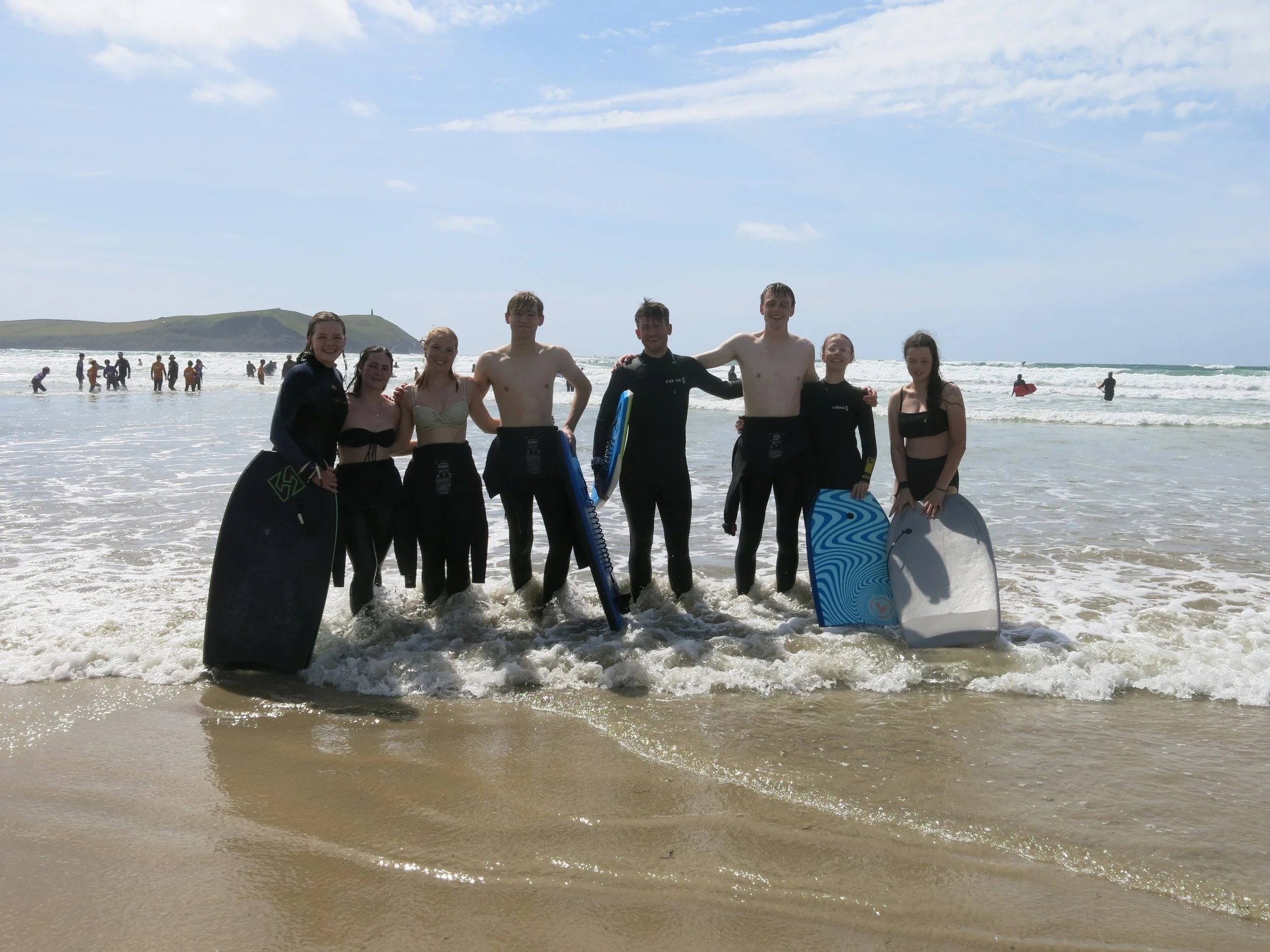
Our summer courses aren’t just work, they are also fun. Located just five minutes from the stunning Polzeath beach, between sessions you can make the most of the Cornish coast with chances to surf, relax in the sun, and enjoy the best of British summer, all whist you prepare for your winter adventure.

Students enjoying the sunny days on the Cornish beaches.
Can’t get to Cornwall? No problem. Our online courses offer the same expert content and application support, available from anywhere and on your schedule.
Ready to Secure Your Winter Season Job?
Join us this summer, boost your chances, and get ahead of the pack.
4. The Courage to Cook with Confidence
So, you’ve made it to university, survived your first grocery trips, got your kitchen stocked with all the essentials, and even started meal prepping like a boss. And surprise you’re actually enjoying cooking.
Let’s keep that momentum going and take your kitchen game from basic to bold. Time to talk about cooking with confidence, winging it in the kitchen, and making meals that’ll have your flatmates convinced you’re the next Jamie Oliver.
Step 1: Embrace the Chaos

What happens when your recipe calls for something your corner shop doesn’t stock, or when you’ve got random leftovers, like half a jar of pesto or some sad-looking herbs? That’s when the real fun starts. Cooking instinctively is all about experimenting. Yes, you might mess up, but trial and error is where the magic happens (and where the funniest kitchen stories are born).
Step 2: Freestyle Cooking for Beginners
There’s no secret handshake or certificate to tell you when you can start freestyling your cooking. It’s all about courage, curiosity, and a pinch of creativity. Here’s how to get started:
Hang Out in the Kitchen: The more time you spend cooking, the more natural it feels. Channel your inner MasterChef by watching cooking shows or scrolling through recipes for inspiration.
Make Mini Tweaks: Add new spices, swap out ingredients, or double down on garlic (you can never have too much garlic).
Trust Your Taste Buds: Taste as you go, don’t just follow a recipe blindly. A little salt and pepper can work wonders.
Invest in a Meat Probe: Goodbye, guesswork. Hello, perfectly cooked chicken.

Step 3: Recipes Are Guidelines, Not Rules
We’re not here to banish recipes, they’re super helpful, especially when baking, but cooking is an art. Think of recipes as your stabilisers until you’re ready to ride solo.
If you’re feeling adventurous, try cooking without measuring every ingredient. It’s scary at first, but it’s also a total game-changer.
Step 4: Cooking = Social Superpower
Cooking isn’t just about feeding yourself it’s also about making memories. Host a flatmate curry night and snap some goofy pics for Instagram, or blow your family away when you’re home for the holidays with your new chef skills. Whether it’s a simple pasta dish or a full-on roast dinner, there’s nothing like the pride (and bragging rights) that come with a meal well-cooked.
Final Thoughts
Cooking with confidence isn’t about being perfect it’s about having fun, experimenting, and learning as you go. And hey, if your first few attempts end in soggy pasta or super spicy noodles, that’s all part of the journey. Think of the kitchen as your new playground. And get creative, make mistakes, and enjoy every delicious (or hilariously bad) bite along the way.

We hope you’ve enjoyed this series of friendly student survival blogs. Now it’s time to go forth, grab that wooden spoon, and show your uni kitchen who’s boss. You’ve got this!
3. Meal Prep Hacks for Uni Life
Congrats! You’ve made it to university, welcome to the land of late-night study sessions, budget living, and figuring out how to adult. One thing you’re definitely not ready for is the eternal struggle of “What should I eat?” when you’re hangry and the fridge is basically empty. Fear not, meal prep is here to save your sanity, your time, and your wallet.
Sure, it doesn’t sound thrilling, but with a few easy hacks, you can boss your kitchen game and spend less time stressing over meals.

Step 1: Prep for Your Prep
Before you start, make sure you’ve got:
Containers: Tupperware, jars, or even those takeaway boxes you’ve been saving for no reason.
A Plan: Pick a few meals you love and grab the ingredients.
Housemate Deals: Why not rope in your flatmates? Teamwork makes the dream work—and you might even save some cash by sharing ingredients.
Step 2: Cook Like a Pro (Sort of)
Set aside one day, Sundays are perfect, to whip up your meals for the week, pop on your favourite playlist and get cooking.
Here are a few no-fuss meal ideas to kick things off:
Chilli Con Carne (the Mexican classic spicy stew made for sharing)
Spaghetti Bolognese (Italian goodness which tastes great, no matter how simple)
Curry (the mouthwatering, authentic Indian dish)
Pasta Bakes (endless options for a quick and easy meal)
Chicken & Rice (healthy and simple or opt for Fajitas to jazz it up)
Stir Fry’s (fuss-free dinner that can be prepared quickly)
Overnight Oats (because yes, breakfast counts too!)


Step 3. Keep it Interesting
Mix things up for some variety with some simple swaps such as:
Replace rice with sweet potatoes.
Switch up your veggies—broccoli one week, peas the next.
Spice it up! One week it’s Cajun chicken, the next it’s garlic and herbs. Your taste buds will love you for it.
Top Tips to Keep It Easy
Leftovers are gold: Last night’s dinner - today’s lunch. Simple.
Pre-chop like a champ: No time to cook? Just chop your veggies or prep sauces ahead of time. Small wins, folks!
Be kind to yourself: Some weeks, life happens, and you’ll live off toast and instant noodles. That’s okay. You’re doing great.
Meal Prep = More Chill Time
Once you get into the groove of meal prepping, you’ll wonder how you ever survived without it. Fewer “what’s for dinner?” dilemmas mean more time for hanging out with friends and smashing those study goals, plus, you’ll save cash for the important stuff like pizza nights and uni events. So go on, give meal prep a go and start owning your kitchen.
Now you’re on a roll keep an eye out for our final blog dropping soon which will give you the confidence you need to free style your way to food heaven!
2: Gear Up for Uni Life!
So, you're off to uni….woohoo! Freedom, independence, and… cooking your own meals. Before you panic about burning toast or surviving on pot noodles, let's talk about setting up your kitchen for success. With the right tools and a bit of organisation, you'll be flipping pancakes and tossing stir-fries like a pro in no time.


The Must-Have Kitchen Kit
Here’s your essential uni kitchen starter pack which will keep you covered for all your culinary adventures:
Preparation Superstars
Chef’s Knife: Your new BFF for chopping, dicing, and slicing.
Bread Knife: Because hacking at a baguette with a butter knife doesn’t end well.
Tongs: Perfect for flipping bacon or grabbing stuff that’s too hot to handle.
Spatula: Colourful and versatile, what’s not to love.
Serving Spoon: Unless you’re eating straight from the pan.
Wooden Spoon: Perfect for stirring all the deliciousness.
Garlic Press: Quick garlic mincing = instant flavour boost.
Chopping Board: Keep it clean and one is all you’ll need.
Grater: For cheese (obviously)
Vegetable Peeler: No more wrestling with potatoes, make peeling quick and safe!
Pots and Pans
Frying Pans: A one-pan wonder for eggs, stir-fries, or pancakes.
Saucepans: For pasta, soups, or emergency ramen sessions.
Baking Trays: For cookies, frozen pizza, or oven chips.
Mixing & Measuring
Mixing Bowl: Ideal for whipping up pancake batter or tossing salads.
Measuring Jug: Great for mixing those cocktails
Scales: When you’re too hungover to guesstimate.
The Everyday Essentials
Cutlery & Crockery: Keep it simple with a selection of each, you don’t need a banquet hall setup.
Mugs & Glasses: One for your morning coffee and a few for, well… hydration.
Gadgets
Once you’ve nailed the basics, grab these devises to make life easier:
Toaster: Toasted bagels and crumpets are life.
Kettle: Use as an excuse to take a break from studying.
Stick Blender: Smoothies, soups, and sauces made easy.
Air Fryer: Pricy but the new must-have for an easy win, think crispy chips in minutes.


The Art of Kitchen Organisation
A tidy kitchen = less stress = more time for Netflix. Here’s how to boss it:
1. Keep It Together
Group knives, spoons, and wooden spoons near the stove for easy access.
Store pots and pans in a cupboard, stack them if you need to save space.
2. Make It Accessible
Everyday items like plates and mugs - Keep those handy.
Rarely used gadgets can live on the top shelf.
3. Use Clever Storage
Drawer Dividers: No more rummaging for your bottle opener.
Hooks and Racks: Hang utensils or tea towels to free up counter space.
4. Declutter Like a Pro
If you haven’t used it in weeks (or forgot you had it), donate it or ditch it.


Bonus Survival Tips
Share the Load: If you’re living with flatmates, coordinate who’s bringing what. No one needs four kettles.
Buy Smart: Check out second-hand shops or snag bargains during sales.
Clean As You Go: Trust us, future-you will thank you.
Final Pro Tips for Uni Chefs
Cooking at uni doesn’t have to be scary or boring. With the right tools, a little organisation, and some trial-and-error, you’ll soon be impressing your mates, or at least feeding yourself something other than cereal. Remember, your kitchen isn’t just for cooking; it’s where friendships are built over midnight snacks and house meals. So get stuck in, have fun, and don’t worry, the odd takeout is always nice to!

1: Essential Ingredients & Where to Buy Them
Congratulations, future university star! Whether you're moving into your first student digs or embarking on shared accommodation adventures, one thing is certain, you've got to eat! While the allure of the takeaway and ready meals is real (hello, pizza cravings), your wallet and body will thank you for learning to cook. Fear not; we’ve got your back with a simple guide to kitchen essentials and shopping tips. Let’s turn your kitchen into a hub of deliciousness!

Step 1: The Basics – Kitchen VIPs
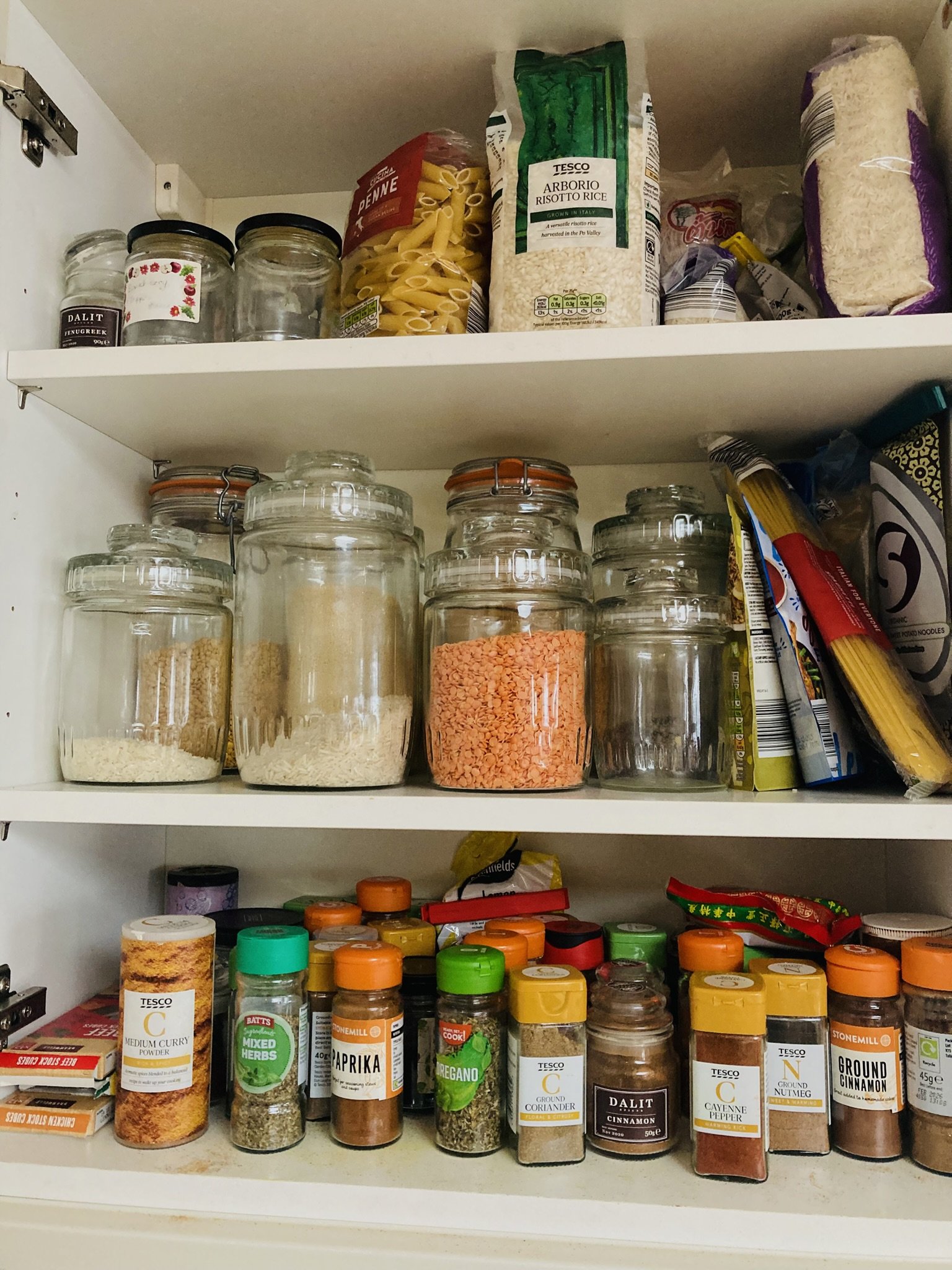
These are your ride-or-die ingredients:
Sunflower Oil: Affordable and versatile for most cooking.
Olive Oil: Fancy up salads or drizzle over bread but save it for non-cooking uses.
Salt & Pepper: Grinders for the table, tubs for cooking.
Stock Cubes: Veggie stock works for most recipes but go wild with chicken or beef if you prefer.
Step 2: Spice Up Your Life
Keep your food from tasting bland with these flavour boosters:
Cinnamon (great for sweet dishes)
Paprika (smoked or regular)
Chili Powder or Cayenne Pepper (for that little extra heat 🌶️🌶️🌶️)
Ground Cumin and Coriander (adding depth to your dish)
Curry Powder (because we all love a curry right!)
Mixed Herbs (a one-pot wonder)
Vinegar (balsamic and white wine for zing)
Don’t forget staples like ketchup, mayo and brown sauce, plus your faviourate spreads like honey, jam or marmite (if you love it!)
Step 3: Carb Central
Fuel your study sessions with these store cupboard heroes:
Pasta: Penne and spaghetti are must-haves.
Rice: Basmati is a solid choice.
Wraps & Bread: Freeze a loaf and defrost as needed.
Couscous/Quinoa: Healthy and versatile.
Noodles: Quick, easy, and perfect for stir-fry night.
Step 4: Tinned Treasures
Don’t underestimate the humble can:
Chopped Tomatoes: The base of so many meals.
Beans (Kidney/Chickpeas): For curries, salads, or stews.
Baked Beans: A classic with toast.
Pesto: Green or red, a pasta lifesaver.
Step 5: Fridge & Freezer Must-Haves
Fridge staples: milk, cheese, yogurt, and a rainbow of fresh veggies like carrots, peppers, and broccoli.
Freezer magic: Frozen veggies (peas, sweetcorn) and fruit (berries) are budget-friendly lifesavers.



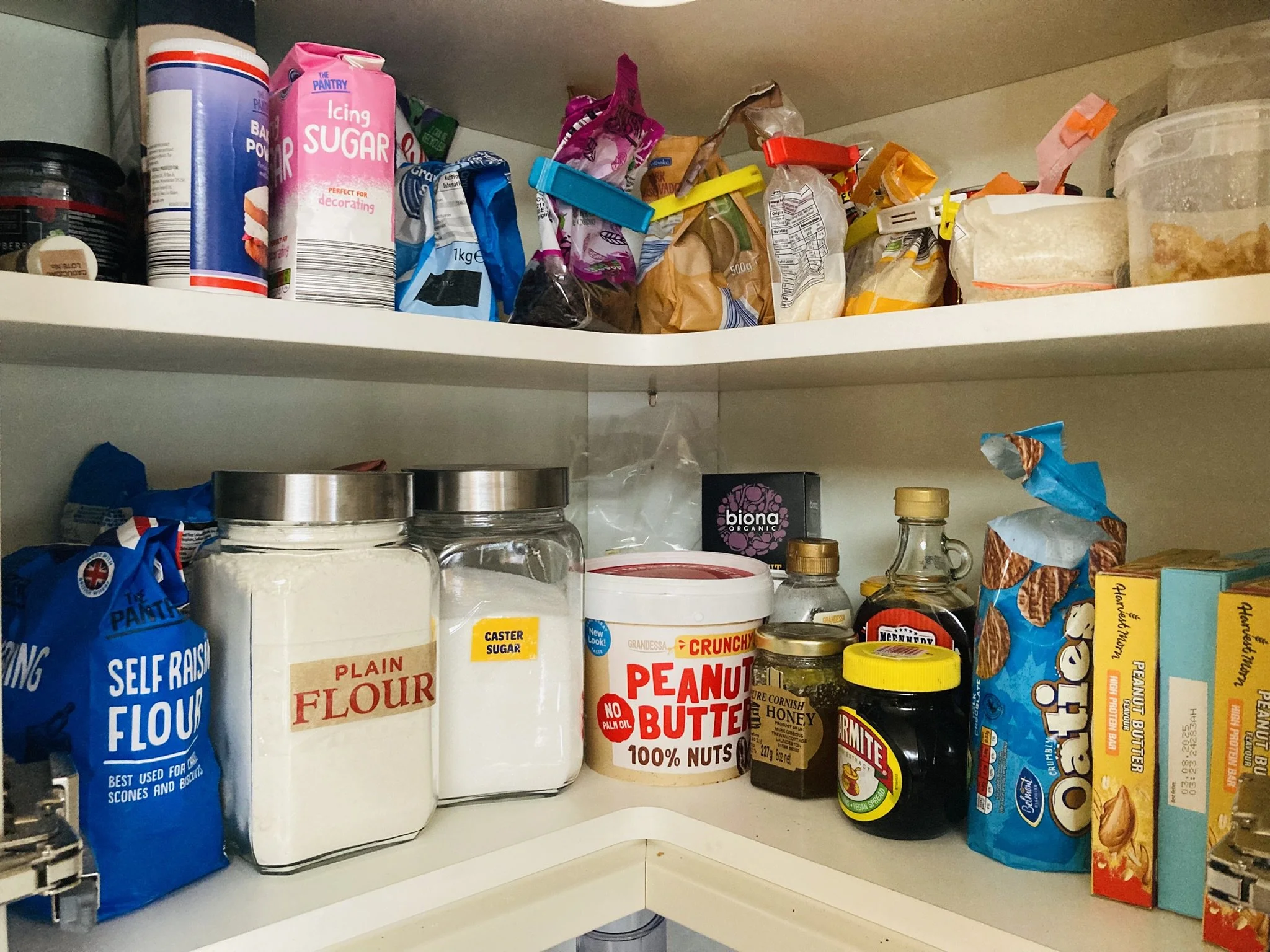
Where to Shop
Ok, so you’ve got your list…time to shop.
Your local supermarket is your new bestie. Stores like Aldi, Lidl, Tesco, and Asda are affordable and student-friendly. Snag a loyalty card to rack up points or discounts.
Pro tip: Big shop? Go online and share a delivery slot with housemates, it’s a time-saver.
Corner shops are great for emergencies but can be pricier. For bargain hunting, check out Poundland, Iceland, or B&M.
Shopping Smarts
Plan Meals: Make a list and stick to it.
Budget Wisely: Know your spending limits.
Eat First: Grocery shopping hungry is a rookie mistake.
Take Bags: Be sustainable and save on bag fees.
Ready, Set, Cook! 👩🍳👨🍳
With these essentials in your cupboard, you’ll be whipping up meals like a pro in no time.
Now you’re on a roll, time to think about what equipment you need and how best to set your kitchen so you can get cooking. Blog 2 coming soon…
Heading to Uni? Let’s Talk About Fresh Tracks!
Alright, uni-bound legends, whether you’re lugging boxes into your new dorm or daydreaming about the freedom ahead, you’re about to carve your own path in this world and start your very own Fresh Tracks.
At Fresh Tracks HQ (that’s us!), we’ve spent years helping people master the skills they need to run a chalet in the mountains, but recently we realised something huge. It’s not just about ski seasons; it’s about equipping people with the skills they need to tackle life. And so now we’re bringing that energy to you as you kick off your uni adventure.

Ready to Level Up Your Adulting Game?
Starting uni isn’t just about lectures and Fresher’s Week (although, yes, those are very important). It’s about learning how to adult. Think cooking meals that don’t involve a microwave, managing your time, and figuring out why there’s always laundry.
That’s where we come in. Over the next few weeks, we’re dropping a series of blogs tailored to your new life as a budding grown-up. Focusing on the all important skill of cooking, we’ll be dishing out (no pun intended) expert tips that’ll have you feeling like a kitchen pro, even if your current specialty is cereal.
Here’s what’s coming your way:
Essential Ingredients & Shopping Like a Boss – Because beans on toast get old real quick.
Kitchen Tools & Organisation Hacks – The stuff you actually need (hint: it’s not 14 spatulas).
Meal Prep & Routine Magic – Save time, save money, and impress your flatmates.
The Courage to Cook with Confidence – Mastering the art of cooking and avoiding kitchen chaos.

Keep an Eye Out
Uni is all about making your own Fresh Tracks, and we’re here to help you glide through with confidence. Let’s make this journey epic!
The first blog is dropping soon, so grab your coffee (or energy drink of choice) and stay tuned.
The Visa Process - Updated
Since our last blog in 2022 regarding the visa process, things have moved on a little. It remains the case that, if you hold a British passport, you will require a visa to allow you to work in France and, whilst the process is still time consuming, it has been slightly streamlined.
Steps 1 to 4 in our original blog remain the same….you’re fabulous at interview and get a job offer for the season and the company apply for a work permit for you. You apply for a visa, visit the embassy/TLS centre with your documents and then return to collect your passport complete with visa included, which is still currently only allocated for a period of 3 months.
Previously this was all that was required before venturing off into the mountains, but now you must also get a doctor’s appointment in the UK and get them to sign a ‘Fit to Work’ certificate (usually provided by your future employer). We’ve heard different stories about the ease of getting these approved, with some UK doctors happy to do so whilst others refusing on the basis that they don’t know how you will respond when working at altitude! It is also worth noting many doctors will ask for a fee for this certificate to be signed, so be prepared to pay. However once this is completed you are ready to go and start the season.

The benefit of having the medical certificate signed in the UK means it has negated the need for day trips to have a chest x-ray and medical examination out in France, so a bonus two days out on the mountain – yay!
The only appointment you will now need to attend out in France is to the Prefecture in Chambery to collect your Carte De Sejour Pluriannuelle (CDS), which entitles you to complete seasonal work in France for 6 months a year for 3 years. It is worth noting that some companies/chalet hosts choose not to chase up the appointment to collet this card but, in our opinion, it is worth you getting as it will make it a lot easier to do another season in France (and we’re pretty sure you’ll want to!)
Just a final reminder if you have an Irish passport (or any other EU passport) you are legally entitled to live and work in France so won’t need to go through this process, you lucky things.
The Visa Process - How to get a chalet host job with a British passport
Do you want to do a ski season as a chalet host but have heard it might be difficult if you have a British passport? Well it’s not as straightforward as it use to be, but there is a way. Read on to learn more about the process and our own experience of going through it.

Since the UK left the EU, you now need a work permit and a work visa to work in France. This is not a particularly quick or easy process to follow and there are no guarantees of success, but there is a route. Here’s how….
1. First things first you must apply and get offered a job. Doing a chalet hosting course will help so be sure to check out our Fresh Tracks Online Courses running this year. Once you’ve got an offer then the company will sort out a work permit for you. This winter we got a chalet host job in La Plagne and, apart from providing a few bits of basic information and making sure our passports were in date, the company took care of sorting out the work permits for us.
2. The next step is to apply for your long-stay visa. This requires an online application and a trip to the TLS centre either in London or Manchester. We were fortunate to have advice and support from our managers on how to navigate this process and they coordinated the appointments. However, these are fixed dates so you must be prepared to travel regardless of your personal situation. For us this meant an overnight trip from Cornwall up to London for an early morning appointment.

3. Next you visit the TLS centre to show your documents and hand over your passport. Expect a long wait here alongside many other people going through the same process. Our advice is to take a book and some food as you’re not allowed your phone and there are no refreshments on site. After our paperwork was checked, panicked passport photos re-taken, and payments made, we had our biometrics’ taken (fingerprints and eye scans) before we handed over our passports and were sent on our way.
4. Your visa is then processed and issued, and you are instructed to collect your passport from the TLS centre. Luckily our managers were able to arrange a third party to do this on our behalf as another trip to London would not have been cheap! Once our passports had been posted back to us, we noticed they had only been issued for 3 months and thus expired mid-season at the end of Feb, not particularly helpful, but apparently the norm. This initial temporary visa at least allows you to get out to resort and start work.
5. Once out in resort your company should assist you in the process of applying for a visa extension as it’s just as much for their benefit as yours. For us this required an initial trip to Chambery to visit the Prefecture, again a date that we could not pick or change, so required some flexibility in terms of working days/hours. A temporary extension is then granted, and you can finish working the rest of the season in France.
You now have the choice to either end the process and finish the season on your temporary visa, an option if you don’t intend to work back in France in the foreseeable future, or you can continue the process and apply for your “Carte De Sejour Pluriannuelle”, a card which entitles you to complete seasonal work in France for 6 months a year for the next 3 years.
We took the decision to continue the process and apply for this….and so the process continues…
6. If you are going for your Carte De Sejour Pluriannuelle then a series of appointments are now required:
a) Firstly, an appointment is necessary to have a chest x-ray. For us, our employer arranged for this in Albertville, so it was another trip down the mountain which was somewhat frustrating for what was a very quick appointment, but at least gave us a chance to get a McDonalds!

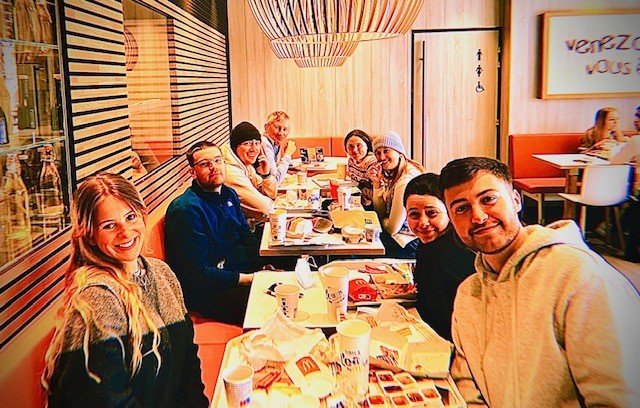
b) Next up was a long and laborious trip to Grenoble to have a medical examination which consisted of a doctor checking your chest x-ray and the odd prod and poke to make sure you’re in general good health (thank god they don’t check chalet host livers!). The doctor then issues you with your medical certificate.
c) A visit back to the Prefecture to collect your Carte de Sejour Pluriannuelle is the final hurdle. The card replaces your temporary extension, and you are given a card valid until the date you initially started the process, so for us it is now valid until Feb 2025. Our experience of this last appointment was far from fun, queuing alongside hundreds of other seasonnaire’s despite it simply requiring handing over the doctor’s medical certificate, returning your temporary visa and proving you have paid the fee.

We anticipate that this will be the process that anyone with a British passport who wants to work in France will have to go through, but things can change, and this was the first time it has been implemented so your experience may be different.
A few final points to highlight are that in general the process is long, laborious and comes at a cost. We were lucky to have a supportive employer who helped coordinate and arrange the paperwork and appointments but be prepared to spend a lot of time waiting around for things to be processed and issued. With regards to costs, again this will vary depending on your employer and what they are prepared to offer. The cost of the visa is somewhere around £100, and if you go on to collect your Carte De Sejour Pluriannuelle this cost us £75. Best bet is to check out what companies are offering you in terms of support and re-imbursements of costs and don’t forget to include other expenses such as travel and accommodation which you may incur.
For us, although we continue to reminisce about how lucky and simple things were pre-Brexit, now, with the opportunity to continue to work as chalet hosts in France now for the next 3 years, the process has been worth it.


10 Ultimate Alpine Dishes to Try Before Your Season
Who doesn’t enjoy some traditional mountain cuisine? Often rich and moreish, it’s exactly the kind of food you need after working hard on the slopes, in the cold and at altitude.
To decide the top ten, ultimate Alpine dishes, we looked to the big five European ski destinations to determine the answer. After careful consideration, we choose two of the top dishes from each country.
If you’re looking to try a ski season, firstly, good choice and, secondly, trying some of these dishes beforehand is a great starting point to really capture the Alpine essence. So, checking them out now gives you a head start and will get you in the skiing mood. There’s links to recipes for each dish.
France
Tartiflette
We’re starting off with a very well-known Alpine dish, tartiflette. When researching for this article, tartiflette consistently came up as a ‘must try’ mountain meal. The dish hails from the Savoie Region in the French Alps and is a true authentic Alpine delicacy.

The dish is made with reblochon cheese, potatoes, lardons and onions arranged into layers in a large dish and baked in an oven until bubbling with a thin crispy top. To best accompany the tartiflette, the French would insist on a salad, gherkins and charcuterie, which we would agree with! Tartiflette is indulgent, rich and delicious and a must try if you’re in the French Alps! Recipe
Diot de Savoie
This second French dish also originates from the Savoie Region, clearly the people of the Savoie know what they’re doing when it comes to food!
Diot are pork sausages pronounced ‘deeyo’, they come in many varieties, the most common, natural and smoked. They’re made with fatty pork, seasoned with salt, pepper and nutmeg. Although not sounding terribly exciting, they’re rich in flavour and incredibly moreish.

Diot de Savoie is a very popular dish in the French Alps consisting of natural diot in a thin white wine sauce with onions and served with potatoes, lentils or gratin. It’s scrumptious, packed with flavour and full of Alpine cuisine authenticity. Recipe
Austria
Beef Goulash
Goulash soup actually originates from Hungry but has become a beloved traditional dish in Austria and can be found in almost every Alpine restaurant. Austrian beef goulash however is quite different from the Hungarian version, it’s much thicker with a rich gravy more stew like and only contains beef and onions, unlike Hungarian goulash.
Beef Goulash cooks for around three hours, making the meat incredibly tender and the gravy full of flavour. The dish is the ultimate warming food and just what you’d fancy in front of a roaring fire after a long day on the mountain. Recipe
Kaiserschmarrn
This next Austrian dish is a sweet one. Kaiserschmarrn, also known as Emperors Mess, gets its name from the Austrian emperor Franz Joseph I who loved this desert, so much so they named it after him!

Kaiserschmarrn is a sweet pancake with rum-soaked raisins, torn into bite-size pieces and dusted with icing sugar. The pancake is light and fluffy: a carb lover’s dream and is traditionally served with a plum compote adding a complementary tartness to the sweet. Do you need any more persuasion?! Besides, if it’s good enough for an emperor, then it’s good enough for us! Recipe + Compote recipe
Germany
Schweinshaxe and Knödel
Schweinshaxe and Knödel is ham hock or ‘pork knuckle’ as it’s locally known, with bread dumplings. The schweinshaxe is cooked on a spit rotisserie making the skin crispy and salty but beautifully tender on the inside, so it falls of the bone. It’s flavoured with herbs and beer. The knödel (bread dumplings) are made from stale bread rolls, with onions, parsley and nutmeg for flavour, they’re the perfect moreish accoutrement.

Both parts of this dish are Bavarian specialities and severed everywhere in Bavaria, they’re a key part of Bavaria’s traditional beer culture. It’s a really hearty, traditional dish perfect to enjoy on a sun-soaked deck on the slopes. Recipe + Knödel recipe
Pichelsteiner
This next German dish is another typical, Bavarian Alpine meal; a meat and vegetable stew. Pichelsteiner is an old dish dating back to 1894, it was often cooked outside, providing an easy and tasty meal for local farmers and shepherds up the mountain.
The meat is a combination of beef, pork and mutton and paired with carrots, potatoes, leeks, cabbage and sometimes onion and celery. This simple dish is meant to warm numb fingers and toes, traditionally served piping hot on cold or rainy days. It really is the ultimate comfort food, just what’s needed on a freezing skiing day. Recipe
Switzerland
Basler Läckerli
Basler Läckerli are gingerbread biscuits. Their name, ‘Läckerli’, is a German word that literally translates as ‘delicious’, which says it all! Despite being a variation of the traditional European gingerbread biscuit, Basler Läckerli don’t contain any ginger. However, they’re sweet, spicy and have a bite. Hazelnuts and almonds provide said bite and honey, candied fruit peel, Kirsch and a variety of spices such as cinnamon, cloves, nutmeg are all key ingredients. The biscuits are glazed in a sugar icing for extra sweetness.
These sweet treats originate from the city of Basel where it is believed they’ve been making them since the Middle Ages. Basel lies like a gateway city to the Swiss Alps, hence the biscuits common occurrence in the mountains. They’re the perfect treat with a coffee in the sun. Recipe
Tarte Myrtilles
This dish might be more familiar to you. Tarte myrtilles is a real traditional Alpine desert born in the Alps. The main ingredient, Myrtilles or bilberries (like blueberries), are native to Swiss and French mountain meadows, so, locals have been utilising these berries for decades in their cooking. It’s an uncomplicated dish with a simple pâte sucrée base (sweet short pastry) that’s covered by a layer of crème patissière, with myrtilles layered on top in a dark, glistening mass.
The sweet and fruity tarte myrtilles is a must try on your next venture to the Alps, whether it’s summer or winter this desert is the perfect way to end a meal overlooking mountain views. Recipe
Italy
Mezzelune
Mezzelune, also known as Schlutzkrapfen, is a pasta dish from the South Tyrol region in Italy, home to the Dolomites. With the South Tyrol mountain range very close to the Austrian border, German and Italian are both widely spoken, meaning many Alpine dishes have an Italian and German name.
In Italian the word mezzelune translates to ‘half moon’ which describes the semi-circle shape of this pasta. Similar to ravioli, mezzelune is filled, the filling is spinach and curd cheese, also known as quark, and served in a brown butter sauce with chives and parmesan. What’s more to like than cheesy, buttery pasta?! Recipe
Hirschgulasch
Hirschgulasch is venison goulash, which is a kind of cross between soup and stew. It’s a rich, meaty, warming dish – just what’s needed to re-fuel on an icy day on the slopes.

Venison is a popular meat in the Italian mountains and used in many dishes, here it’s cooked in red wine with herbs and a variety of vegetables: carrots, onions, celeriac and porcini mushrooms. Juniper berries are also a key ingredient as they complement the venison beautifully. The dish is traditionally served with a cranberry compote and often soft polenta, which is found everywhere in Italian Alpine cuisine, here it’s great for soaking up the juices. Is your mouth watering too?! Recipe

So, there you have it, our take on the top 10 Alpine dishes. Hopefully they’ve whet your appetite and got your cookery mind buzzing! This article comes from The Chalet Company who provide fully catered ski holidays in Meribel, France and pride themselves on their top notch chalet food.
Fresh Tracks Newsletter June 2021
Summer's arriving...
It's been a long time coming but with the sun coming out and exams coming to an end it's definitely starting to feel more like summer. So what does this mean in relation to chalet hosting and what's going to happen over the next few months? Let's take a look into our crystal ball and have a go at giving you the low-down....
Recruitment has started!
If you have got your finger on the pulse you may have seen that ski companies have started their recruitment drive. Sure it is a little later than in previous year's, but I think we can forgive them for that, given the challenges they faced last winter trying to navigate the fallout from Coronavirus and the impact of Brexit, which is still the big uncertainty. We have been regularly checking in with our contacts in the industry to gauge how they are looking to move forward. Here is what we have gathered...

Jobs for chalet host positions are now being advertised.
If you have an EU passport then 100% you should be getting on with your applications. However if you hold a UK passport things are still a little tricky. There continues to be lack of clarity and a lot of uncertainty about the recruitment of British workers as chalet hosts for the coming winter. As a result ski companies are taking two different approaches:
many companies are being cautious and hoping they can fill all of their chalet host positions with applicants from the EU, or people who are legally able to live and work in the EU;
a handful of other companies are anticipating that things will get sorted out over the summer to allow employment of British workers and are accepting applications from all passport holders.
What we do know is that it will be a competitive field for chalet host jobs this coming winter and so you will need to be able to show how you have the skills to do the job. Let's take a look at how you might do this.
How To Prepare
Now is the time for you to focus on what is within your control when it comes to finding a chalet host job, and this means making sure your application stands out. Luckily here at Fresh Tracks we've got a few suggestions for you...
Why not start by checking out our Fresh Tracks "Getting A Job" Course. It will take you step by step through the best way to make your application from researching which companies to apply to, to how to put together your CV, menu plan and covering letter, to what to expect at interview. Or take advantage of a 20% discount and pair this up with our Level 2 Food Hygiene Course by getting your hands on our Jobs Bundle.
Get some hospitality experience. The absolute best way to show you would be a great chalet host is to back this up with some evidence. There are loads of jobs going out there in the hospitality sector from working in your local café, to pot washing in a commercial kitchen to helping clean holiday properties. Summer always creates a massive demand for staff and this year even more so with the rise of the "Staycation". So get out there and gain some skills.


Get yourself along to the National Snow Show which is being held at the NEC in Birmingham on 23rd/24th October. A great place to make contacts within the industry "The National Snow Show is the base for the UK’s ski & snowboard community to get together in a sociable way, gear up & plan for their next trip over a few beers at our Alpine Aprés bar." Click on the image below to find out what's on.

Finally if you want to truly understand what it's like to be a chalet host and to give your application the best possible shot, it's defiantly worthwhile booking one of our residential courses. Not only will they give you a taste for the real thing, look great on your CV, you will learn useful life skills, make long-term friendships and have a total blast with us down in the beautiful Polzeath in Cornwall. But be quick spaces are filling up!!
Don't Be A Stranger
Sometimes just talking to someone helps...and we don't bite, so pick up the phone and give us a call if you have any questions (07497368663) or drop us an email (info@freshtrackschaletschool.com).
Thanks for reading.
Steve & Becky
xx

Fresh Tracks Newsletter May 2021
Stay up to date with the goings on in the Chalet Hosting industry with our monthly Newsletters.
Chalet Hosting in Winter 21/22
Just as the winter of 2020/21 comes to an end the question everyone is asking us is 'Will I be able to get a job as a chalet host for winter 21/22?' What with the double whammy of Coronavirus and Brexit it is definitely a challenging time for the ski industry. As chalet hosts ourselves we are also keen to find out what's happening, so with a little investigation here is what we know so far....
The Chalet Host Role Lives On!
We are really pleased to see ski companies starting to offer catered ski chalet holidays to their guests for winter 21/22. In fact, demand seems to be high, with guests who missed out last winter determined to get their ski fix. This ultimately means teams of awesome, fun loving and passionate chalet hosts will be required out in resorts to run chalets once again. Yay!

Who Can Apply?
In previous years ski companies have relied on the freedom of movement to legally employ UK nationals across the European resorts. However, since we "Brexited" on 1st Jan 2021, this is no longer the case. You may therefore have seen ski companies accepting applications from people who:
have an EU passport (not a British passport), or
are legally able to live and work in Europe
Whilst the lucky ones amongst us may be able to apply on this basis, a huge majority of the chalet host roles in the past have been filled by us Brits.
So What About Us Brits?
Don't lose faith, there is a lot going on to try and sort this out. Last year a group called SBiT (Seasonal Businesses in Travel), created a petition called "Save our Travel Jobs" to lobby the government to address this exact issue. Many meetings continue to be held to try and find a workable solution that is cost-effective and achievable in time for winter 21/22.
As it currently stands, ski companies face the prospect of having to navigate a lot of complicated and costly bureaucracy before they can offer a job to a UK national. If we take France as an example, (as this is where the majority of seasonal chalet hosts are located) ski companies are required to initially advertise the job to French nationals for a period of time before they can look to employ a UK national. Then if a UK national is to be employed they will then need to arrange for:
a Work Permit, and
an Immigration Stay Visa
Some companies are consequently taking the view that the opportunities for Brits is very limited for winter 21/22 and are therefore purely focusing their efforts on employing EU nationals. Others however, are hoping to navigate a way through with the aim to operate in a similar way to how they have done previously, employing UK nationals as chalet hosts, in time for the start of the season. There remains a lot of speculation and no real clarity as yet.

Holding a British passport no longer automatically entitles you to work as a chalet host in the EU.

Lobbying of government through the 'Save Our Travel Jobs' petition is ongoing
So What Should You Do Now?
Ok, first up start by researching your family tree and see if there is any way you can get yourself a EU passport. If there ever was a time to find out you have an Irish Grandma then it's now! If you are lucky enough to have this option then, so long as you have the right skills and attitude, you should have no problems finding work as a chalet host for the winter.
If an EU passport is not an option for you then don't panic, there are still a lot of things you can be getting on with. Here are some suggestions:-
Get ahead of the game by making sure your skilled up. Don’t wait for decisions to be made behind the scenes, think about what skills can you be practicing right now. Why not check out our Fresh Tracks courses and either come and join us on one of our one-week residential courses down in Polzeath, Cornwall, or try our online courses which allow you to learn at home in your own time. We teach you all the important stuff on chalet hosting plus a wealth of general useful life skills. Whilst we can't guarantee you a job right now, we can guarantee you a fun and informative use of your time!
Get cracking with preparing your application. This means getting your CV up to scratch, writing an achievable menu plan, creating a catchy covering letter and knowing what to expect when it comes to performing well at your chalet host interview. Check out our online 'Getting A Job Course' at an amazing value of £50. Whilst its specifically tailored to chalet hosting, the advice we offer can be equally applied to other roles, especially in the hospitality sector, that you might be looking at.
Keep an eye on your favourite ski companies websites and join their social media forums to make sure you are first to find out when things start moving forward.
It's not too late to join the lobbying by signing the ongoing petition.
If you're feeling particularly passionate then we encourage you to write to your local MP to highlight the situation. Let them know how much the opportunity to work a season as a chalet hosts will benefit you and so many other people, and highlight that the skills you will learn will go on to benefit the UK economy in the longer term.
And finally, continue to read our newsletter's as we do our best to keep you updated, or drop us an email (info@freshtrackschaletschool.com) or give us a call (07479368663) if you have any questions.
Thanks for reading.
Steve & Becky
xx

2020 - A Crazy Year!
Everyone’s saying it so we thought it was about time we did as well, its been the craziest year, with one winter season ending early and the upcoming 2020/21 dominated by uncertainty. However, as it turns out Fresh Tracks actually had a good year…say what!!


So ok perhaps our 2019/20 seasons didn’t finish quite as anticipated…shredding spring pow, drinking Aperol spritz in the sunshine and having BBQ’s whilst deep cleaning our chalets, but we had a good time up to then, and the parties in resorts when lockdown was announced will be remembered for a long time to come. For us personally the end of the season coincided with us catching the virus, but having made it back to the UK to isolate, a loss of taste and smell at least wasn’t going to ruin any guests experience of our cooking.


Unfortunately, however Rona did put a swift end to our plans to run the spring residential courses in 2020. “Pivoting” was the buzz word being used by small businesses trying to adapt to the new normal and so that’s what we did. After a lockdown spent transforming what we teach on the residential to an online package, and along with the rest of the nation in acquiring a zoom account, we were really pleased to run 2 weeks’ worth of courses to 27 students. The virtual courses delivered lessons which content continued to focus on how to be a fantastic chalet host and make the most of a winter season and accompanying this, students were given a 7 day self-paced cooking guide in which to practice chalet style cooking at home. The results and feedback were epic with students starting to get job offers and looking forward to the winter ahead.


Fresh Tracks then turned its focus to the autumn residential courses, could they run or not? Despite nerves of meeting regulations and legal requirements, 5 weeks of residential courses went ahead successfully. A total of 39 students came from far and wide with positive energy and enthusiasm and just pleased to be doing something at least. New skills were learnt, challenges faced, problems solved, and new friendships made, all with tons of laughter and a healthy dose of banter along the way. The last course finished just in time for Boris to announce the start of the next lockdown.

However, the question all of the students were asking was, will there be a winter season at all and if so what will it be like? Well I know we’re good here at Fresh Tracks, but the honest answer is we don’t know. It will be different for sure. What we do know is that all of the students had a positive approach to the future and where not discouraged by the challenges this winter faces and continue to be inspired to find work in the mountains. Each participant recognised the invaluable skills that working as a chalet host provides and are determined that at some point to go on to achieve this dream.
Corona aside, the ski and hospitality industries face other challenges at this time, with Brexit looming and changes in EU employment regulations, it seems they have a lot on their plate. However, if the industry can just look at these students and see the talent and passion out there, then they can use this to fuel their drive to make winter seasons succeed once again. Winter 2020/21 will be different and for us all, but if 2020 has taught Fresh Tracks anything it is that sometimes you have to get creative and solve problems as you go, just like being a good chalet host I guess!!
Snowy intentions in sunny locations
Thinking about working a winter season didn’t put students off from making the most of the sunshine for the first round of training at Fresh Tracks Chalet Hosting and Cookery School this June. In fact, if anything, the hot weather was a bonus enabling everyone to get out and make the most of the fantastic location from which the course is run. The students, who came from a real mix of backgrounds and with varying degrees of experiences, saw initial nerves quickly replaced by an overwhelming sense of luck at what an amazing location we are in. Located only 200 meters from Harlyn Bay, one of North Cornwall’s most stunning beaches, the venue for the course not only provides a great setting in which to learn but also in which to have an awesome time.
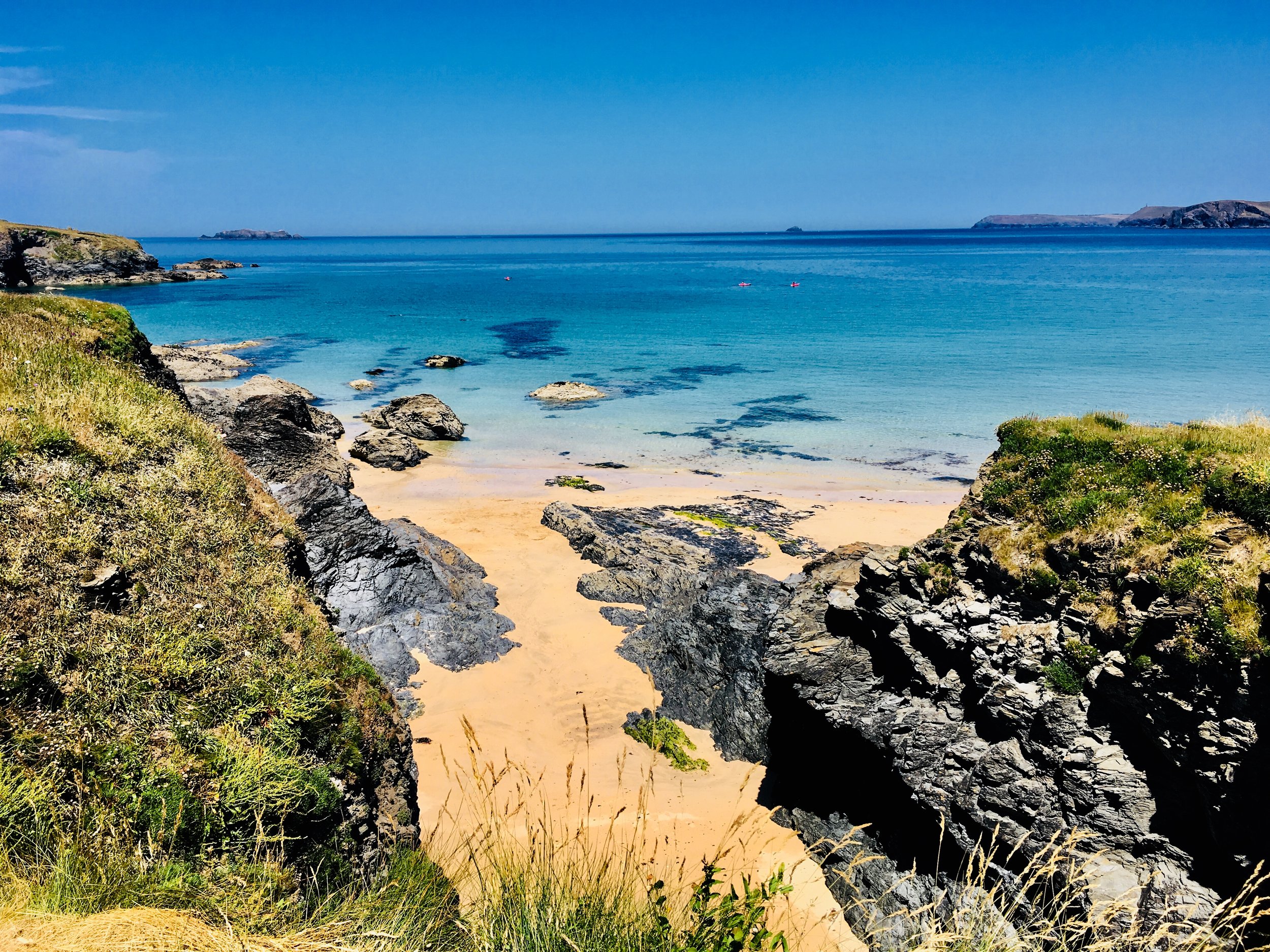
Busy mornings starting at 7am had students cooking breakfasts, preparing afternoon tea and prepping evening meals and where followed by practical cleaning sessions and Anna’s famous “quiz of the day”. Informal and informative theory sessions on the essential topics of how to become the best possible chalet host were then discussed and after further cooking practice and a wholesome lunch, there was the opportunity to get outdoors. Donning our sun cream (although not so well on occasions!) and with beach towels in hand, students and tutors alike capitalised on the sunny weather and warm(ish) water to relax and unwind in the afternoons.


Daily timetabled free periods plus a Wednesday afternoon off meant we could all get out and about and whether we were jumping of the cliffs, fishing at sunrise or sunset, eating ice creams in nearby Newquay or chilling on the sun terrace I think it’s fair to say that the summer intake of Fresh Tracks students all had a great time.


The venue provided a cool and comfortable environment in which to continue late afternoon discussions and we didn’t need to venture to nearby Padstow for a traditional Cornish cream tea when students were practicing them for afternoon tea in the chalet school. Evenings had us munching tasty canapes and 3 course meals and whilst it seemed a little odd to be eating traditional winter menus all the meals were all tasty and delicious. Trying to create a typical ski chalet style ambiance each evening was not so easy (no log fires required!) and with world cup fever gripping the nation, the Fresh Tracks team compromised on the dinner party theme one evening to watch England progress through to the Quarter-Finals.
Invited guests to evening dinners enabled students to practice their welcoming speeches and hosting skills and everyone was well fed and watered, some lucky guests even joined us to celebrate the summer solstice down on the beach. The fun mix of practical and theory sessions ensured students learnt about all relevant topics of how to be the consummate chalet host in a ski resort and emphasised the Fresh Tracks ethos of taking passion and pride in whatever it is you do.


The summer has also seen Fresh Tracks develop stronger relationships with a number of ski companies, and so with CV’s and covering letters perfected throughout the week, interviews underway, we are really excited to see our students looking forward to snowy winters in the mountains, despite it now “Not Coming Home” and the hot summer sun continuing to shine on the North Cornish coast and Harlyn Bay.
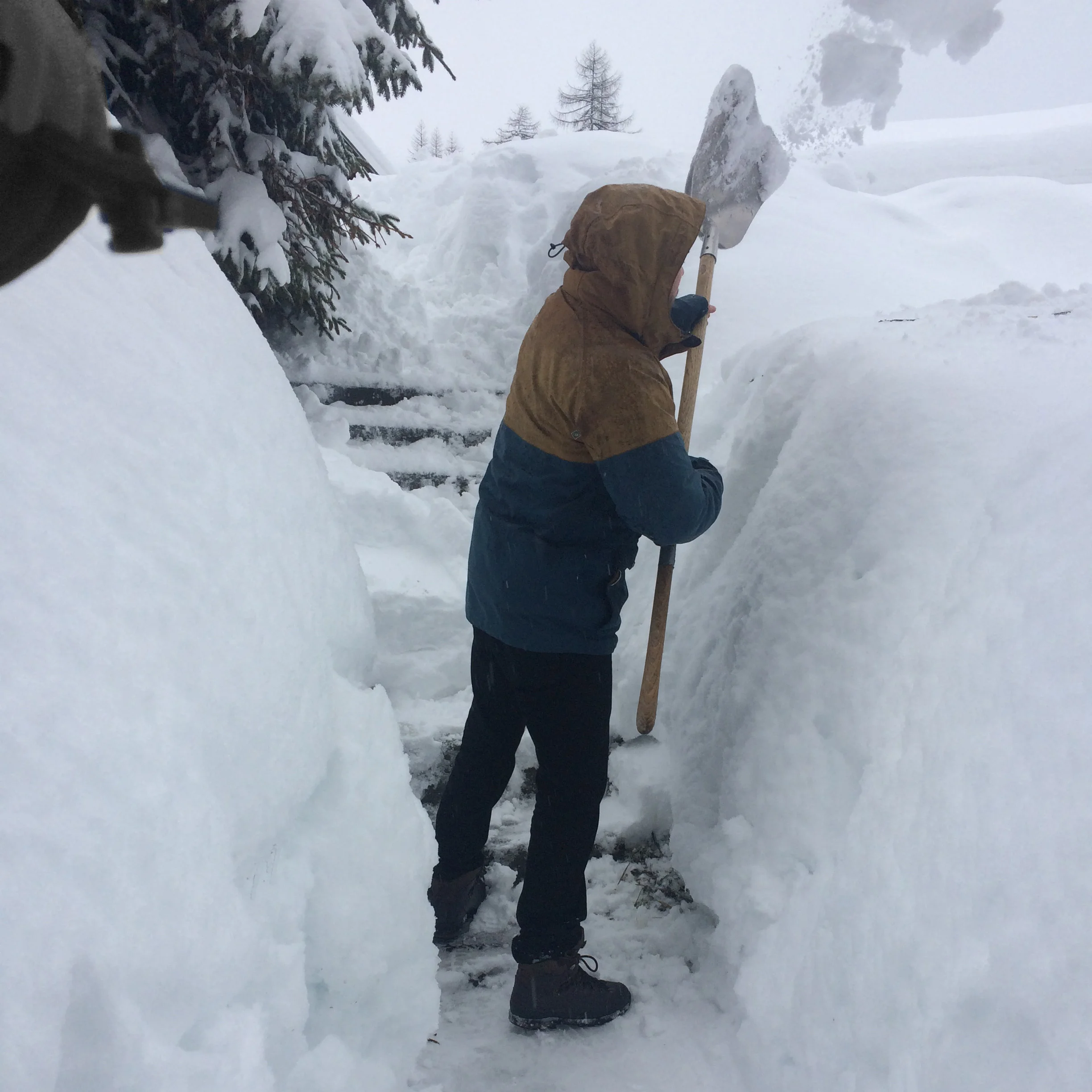
Crazy Weather In Tignes
It has been a crazy winter so far for weather across the Alps, no more so than in Tignes. Fresh Tracks Holly Everett describes the winter there so far!
Every season, as soon as the first few flakes begin to fall, we tell ourselves the same thing: ‘Never complain about the snow’. Even if it’s dumping down, and you’ve got a huge driveway to clear, the viz is terrible and your toes are cold - we’ve always said that more snow is better than no snow.

This season, however, Tignes is trying its best to put our patience to the test! In an unprecedented start to the season, Tignes has been hit by three brutal storms in almost as many weeks, shutting down the entire resort for days at a time and causing chaos on the mountain, as we’ve been battered by epic amounts of snow, rain and wind.

Trekking into work some mornings, the snow has been over my thighs (admittedly, I’m 5ft 2, so it’s maybe not as impressive as it sounds - but still!). Up higher in resort, as much as 2 metres has fallen in one night. Roads have been closed. We’ve watched avalanches cascading down the opposite valley face. Beautiful powder has landed only to be whisked away by rain and 85km/h winds. Our guests have fallen, badly, and in one case ended their holiday with a broken elbow.

No one that we’ve spoken to can ever remember a time when the whole resort has been closed like this - let alone multiple times, and still so early on in the season. More snow has already fallen than is generally expected in a whole season. And after last year’s fatal avalanche in Tignes, it’s no wonder that safety and avalanche security are the resort’s number one concerns.

But, it’s not all doom and gloom. When it comes to avalanche safety, most people are glad that the pisteurs aren’t risking opening the pistes prematurely. The drama of a storm is pretty exciting too, and there’s something a bit ‘Shaun of the Dead’ about having to retreat to the pub in the middle of the day to avoid the carnage outside!
It’s also allowed us plenty of time for post-Christmas rest and relaxation. We’ve had the time to recharge our batteries, take plenty of naps, and generally look after ourselves after the most exhausting part of the season.
It’s given us the chance to develop closer relationships with our guests too. There’s nothing like a storm to bring people together, and we’ve found ourselves spending more time in our chalet - staying later after service with our guests; even gambling away our tip money at the card table with one group!
This recent spell of bad weather has really made us appreciate the few bluebird days we’ve had - and we have totally made the most of them when they’ve come. The layers of snow appear to have bonded well and formed a fantastic base for the rest of the season. We can’t wait for the storms to settle, and for the sun to make a come back. But in the meantime, we won’t be complaining about the snow: season life is about making the most of every situation you find yourself in. And if that means we have to head to the pub again, have a pint, and wait for the whole thing to blow over, well... there are worse ways to spend a work day!

Driving out to the Alps for a winter season.
Driving out to the Alps in your own car for a winter season has its pros and cons, but it is expensive. We have a look at what it costs and things you need to consider.
Its finally that time of year again! Time for the winter season to start and this year looks like it is going to be a good one! Early season snow has been good and some resorts have even opened early so we can’t wait to get out there. Which leads me on nicely to how to get out there.
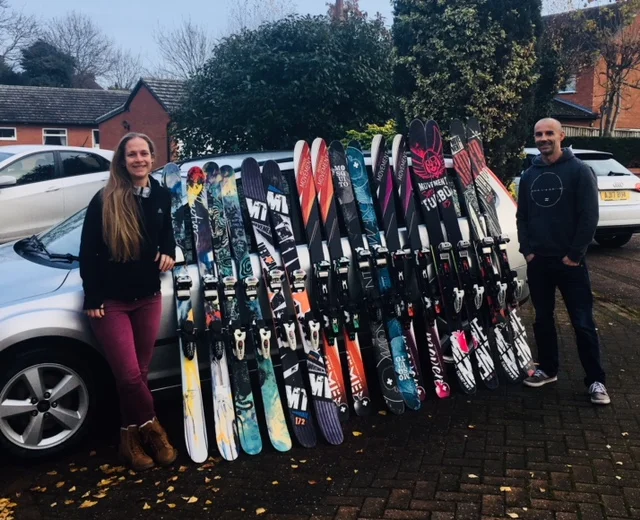
Taking your car means you can take lots of skis!

Everything crammed in, with just enough room for Oliver.
This year Becky and I are working for Ski Val in St Anton, Austria as Chalet Hosts. This will be our first time working in Austria, but our 9th winter season and as usual we will be driving out in our own car. Taking your own car has many advantages, but there are also lots of things to consider and the big question is, “is it worth it” as it is not cheap. So here are the pros and cons:
Pros:
You can take as much stuff as you can fit in the car. For us this is important as to start with we have eight pairs of skis which I don’t fancy trying to take on a plane!
When you are in resort you have freedom to travel to other resorts maybe on your day off or to take a trip down the mountain to stock up on beer and other essentials.
Travel out can be more relaxing as your not stuck on a cramped coach or left having to lug your luggage around.
You can feel more in control of your own destiny and not trapped in your resort.

Waiting for an early morning ferry at Dover.

Its a long way from Cornwall to the Alps
Cons:
Cost! Taking your own car is not cheap, some companies may make a small contribution to your travel out (£50) but this will far from cover it.
Although you can take as much stuff as you can fit in your car, that’s not to say you will have room for it all in your staff accommodation.
Parking may be limited and is unlikely to be under cover, so you are going to have to dig your car out each time you want to use it and it may have trouble starting it if you leave it out and don’t use it regularly.
Driving conditions can be difficult if you are not used to it.
So what is the cost of taking your car out on a season?
So before you leave the UK you will need to do a few things.
Firstly check that your insurance will cover you in Europe for the entire length of your trip (5-6 months). Most insurance companies will only cover you for up to 90 days, which is not long enough. We always use LV as they will cover you for 180 days. So make sure you check. (Cost depends)
Winter Tyres. It is a very good idea to fit winter tyres to your car as these will allow you to drive more safely in winter conditions and will help you when there is a little bit of snow on the ground. They are not essential but a very good idea. (Cost £500 for a new set)
Snow Chains. These are essential and even a legal requirement. Do not take your car out there without them, it could prove very dangerous if you are half way up a mountain pass and it starts snowing. (Cost £150)
Headlight converters. To drive in Europe you need to attach converters to your headlights to make them legal. They can be brought in the UK from places like Halfords or on the Ferry. (Cost £10)
European Safety Kit. This includes warning triangles and high vis vests amongst other things. Do not forget this as you will be fined for not having it. (Cost £50)
Journey Costs:
Let’s assume we live in Dover. The first thing you will need to do is cross the channel. The cheapest way is usually on the Ferry and takes about 1hr30. (Cost £60)
Fuel. It’s a long way to the alps, but if you have a fuel-efficient diesel car it will probably cost you about £70 to get the whole way there. Make sure that when you get to the mountains you fill up with winter diesel as normal diesel will freeze at very cold temperatures. (Cost £70)
Tolls. If you drive down through France the quickest and easiest way is to take the Toll roads but they are not cheap. It will probably cost you about £70. If you go through Germany then you do not need to pay the tolls, but when you get to Austria, you must remember to buy a Vignette to drive on the Austrian Motorway. This costs about £10 for the day. (Cost £10 - £70)
It’s a long way so you are going to need food, drink and probably a place to stay overnight on route. It can be done in a day from Dover, but don’t risk driving when extremely tired especially as the last part of the journey will be in the dark and in the mountains! (Costs £100)
So you are probably looking at a total cost of around £1000, to drive out for your first winter season or about £500 if you don’t get winter tyres. Its not cheap so think carefully before you decide.

I’m off to chalet host for the winter, what kitchen equipment should I take with me?
Are you wondering what equipment you should take with you for your new role as a chalet host? Here is our guide to the basic items you should take with you without breaking the bank!
As a new chalet host you may be wondering what kitchen equipment you should take with you. Chalets are generally equipped by their owners and the type and quality of equipment in each varies considerably so it’s a difficulty question to answer. But here is our advice.

We have seen new chalet hosts turn up at the start of a season with a brand new rack of chefs knives probably worth £500 or more, also food mixers, blenders etc, etc. You do not need to do this; most chalets should have everything you need to run your chalet and prepare the menu you are employed to deliver. However, there are a few things that we think are worth taking as they will make your life easier and might not be supplied.
A Good Quality Sharp Knife: All chalets will have kitchen knives but the quality and sharpness are usually not good. We always take one very good all-purpose knife. We particularly like the Robert Welch Chef’s Knife with a 16cm blade. This will make preparation of veg and carving meet etc so much easier. They do not come cheap at around £48 each but worth the investment and will last a life time if looked after.
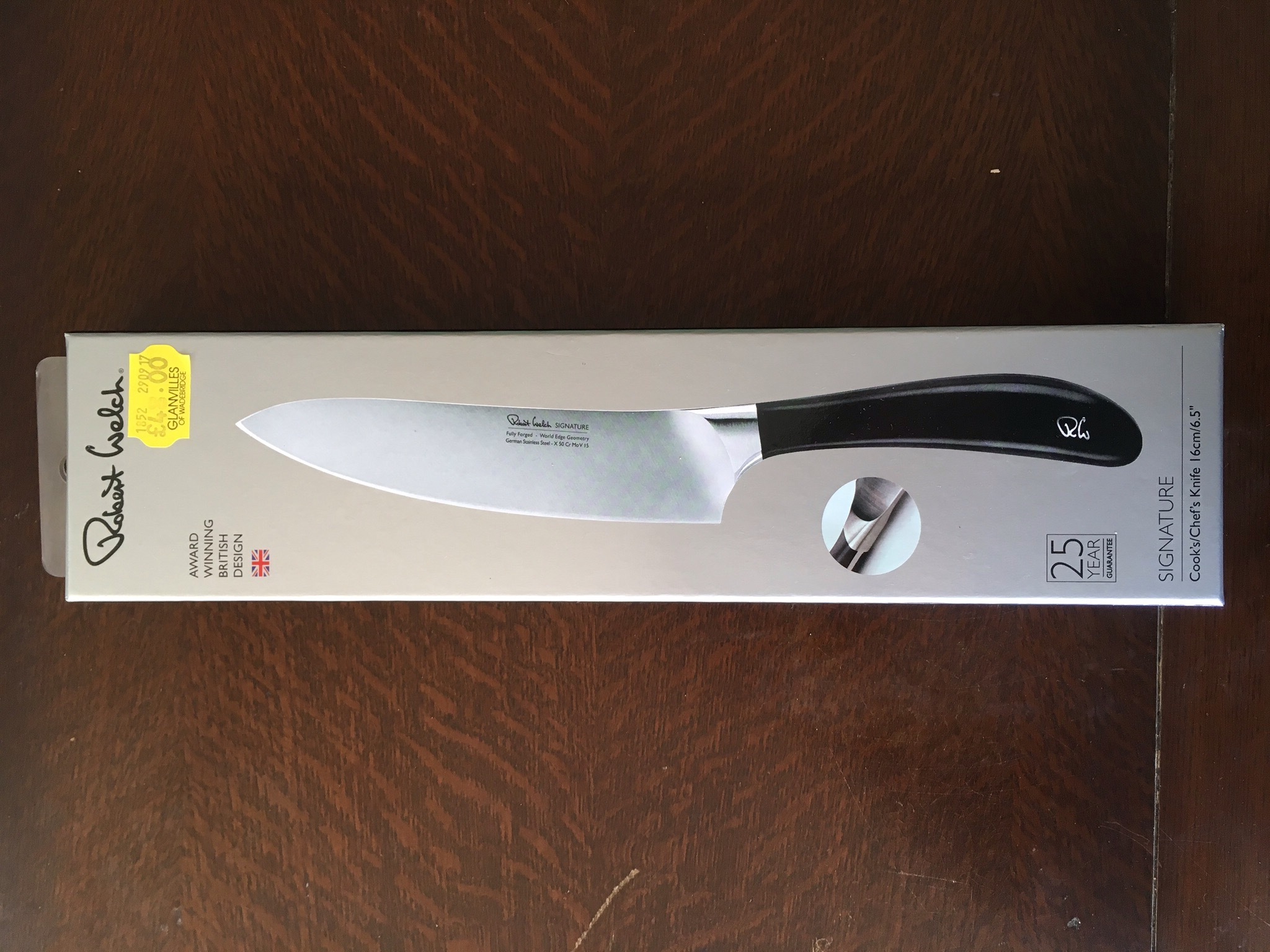
A Knife Sharpener: A sharp knife only stays sharp if you sharpen it! The advantage of the Robert Welch knives is that there is a specific Robert Welch sharpener which is very easy to use and will keep your knives in perfect condition. You do not need any “Gorden Ramsey” skills to use it which is usually why people allow their knives to go blunt.
A Timer: As a chalet host multitasking is one of your key skills, but it is easy to get distracted. To avoid burning you cake or over cooking your duck take a basic timer with you that you can stick on the fridge and avoid those annoying mistakes!

A Spatula: A good quality silicone spatula is very useful for getting your cake mix out of the bowl and not something that is generally supplied.
A Peeler: For peeling your potatoes and veg a good quality peeler is essential. Chalets normally have about 10 peelers all of which are generally rubbish, so bring your own! Personally, we love the Good Grips “Y” shaped peeler but this is personal preference just make sure it is one you like and can use.
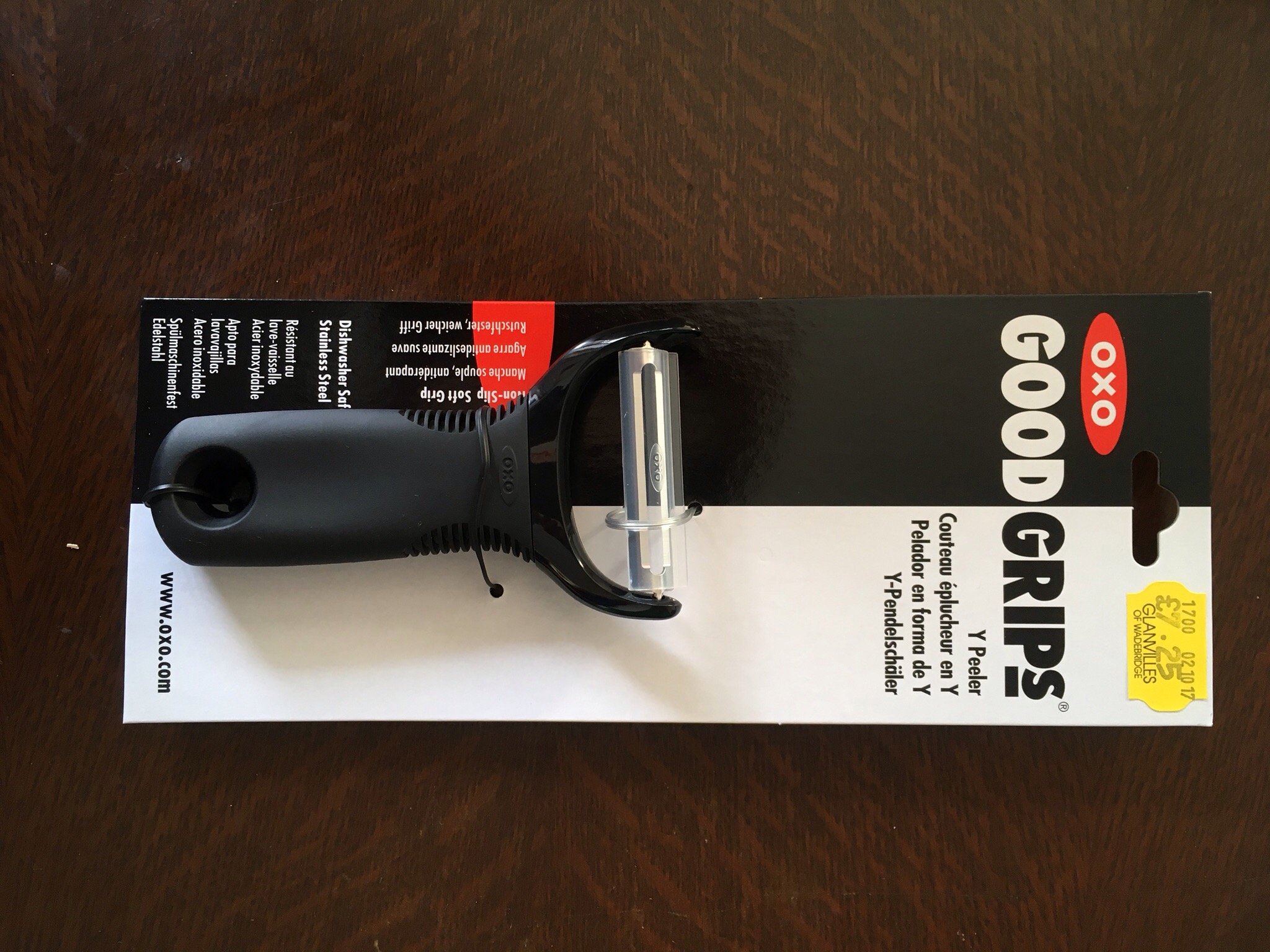
A Zester: A lot of chalet recipes ask for the zest of citrus fruits. If you have ever tried to do this on a grater you will know how frustrating it is and how little zest you actually get out! We always take a zester with us although the technique for using them is not easy and requires practice, but we believe it is worth it!
A Meat Thermometer: If you are worried about how to cook your meat so that it is safe for your guests to eat, take a meat thermometer. They are not particularly expensive and can save you a lot of worry. They can also make sure you don’t overcook your meat so improving the quality of your food.
If anyone has any other suggestions that they feel are essential items to take with you the please leave a comment or get in touch, but our basic advice is don’t spend a fortune, just buy a few quality pieces of kit.
If you want to purchase any of these items they are available from Glanviles in Wadebridge, Cornwall or at most good cookware stores.