
10 Life Skills Every Teenager Should Learn Before Leaving Home
Leaving home for the first time is a big step. Whether it’s university, a gap year, travelling, starting work or moving into shared accommodation, having a few basic life skills can make the transition to independence considerably easier.
Knowing how to cook a few decent meals certainly helps, but being ready to live independently involves much more than that. Shopping, budgeting, laundry, cleaning, looking after yourself and getting along with the people you live with all suddenly become part of everyday life.
The good news is that nobody needs to have everything mastered before they leave home. Having some basic practical skills and, perhaps more importantly, the confidence to have a go when you don’t know exactly what you’re doing, can make those first few months much easier.
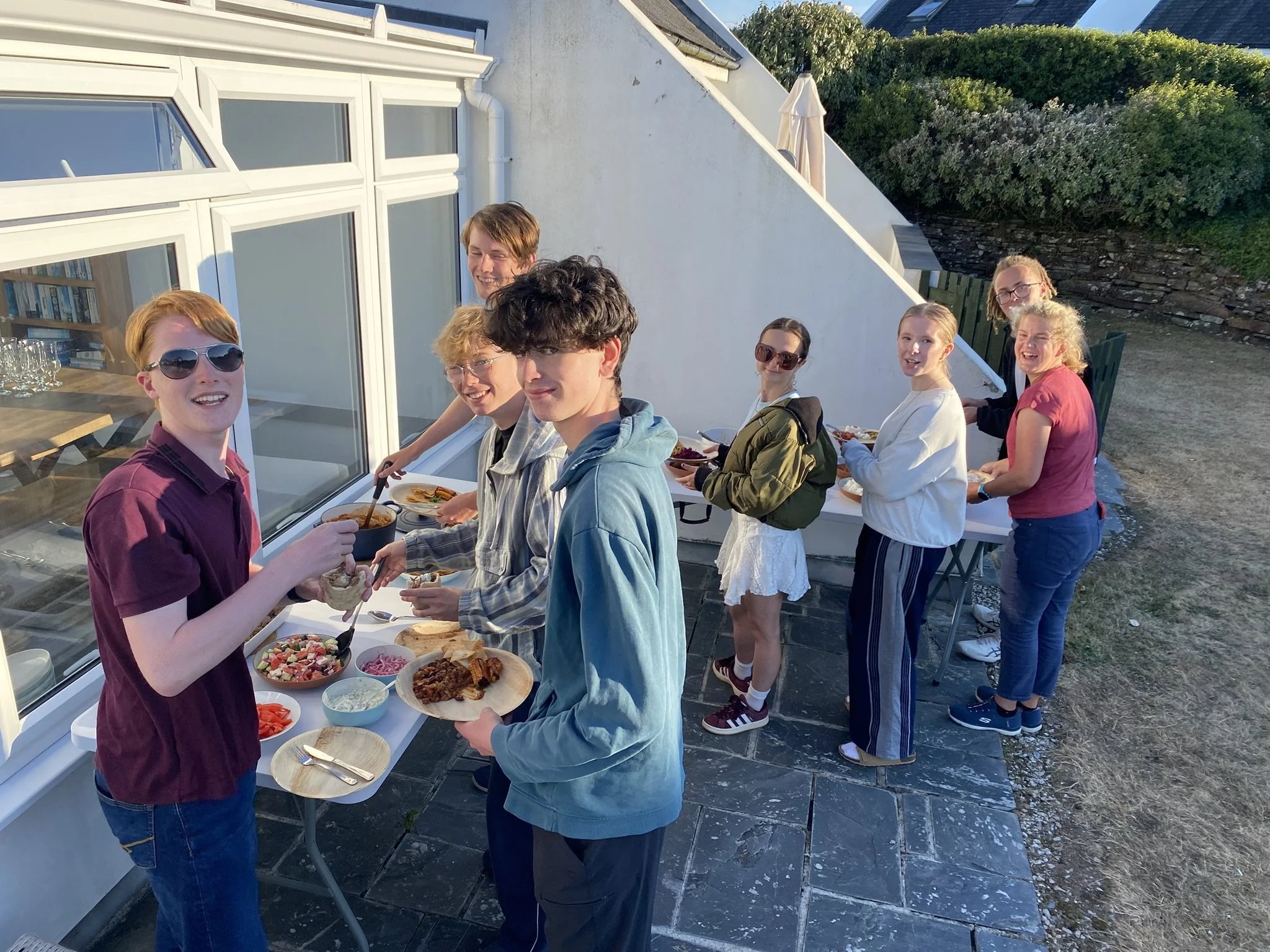
Students enjoying Street Food
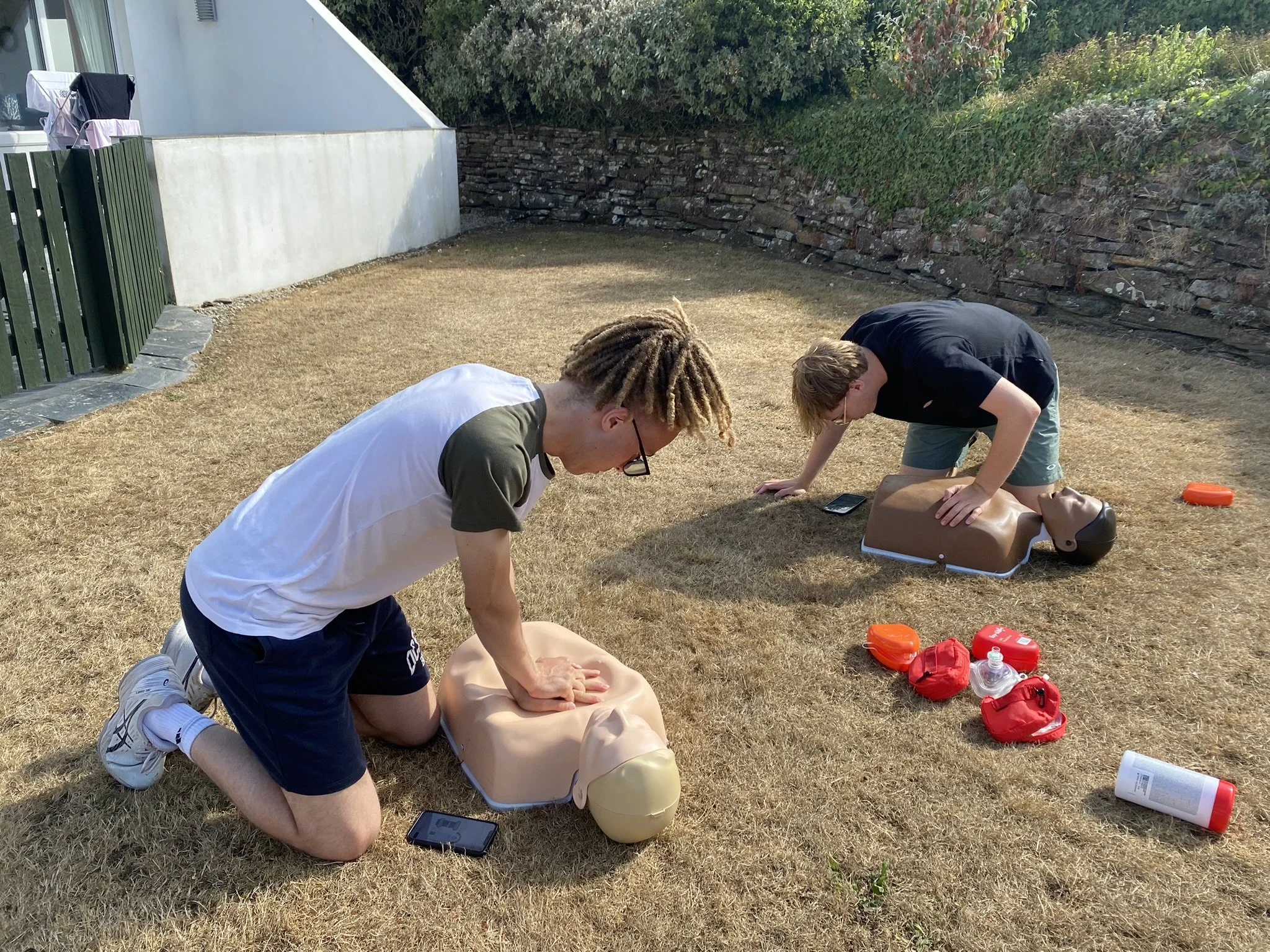
Essential First Aid Course
Here are 10 life skills we think every teenager should start learning before leaving home!
1. Cooking a proper meal
You don’t need to be a brilliant cook to feed yourself well. What really helps is having the confidence to cook a handful of simple meals from scratch and understanding a few basic techniques that can be used again and again. That might mean knowing how to:
- Cook pasta and rice properly
- Make a simple sauce
- Roast vegetables
- Cook chicken safely
- Make something with mince
- Prepare eggs in a few different ways
- Learn how to bake
Once you understand the basics, you’re far less dependent on recipes and much less likely to survive on takeaways and cereal.
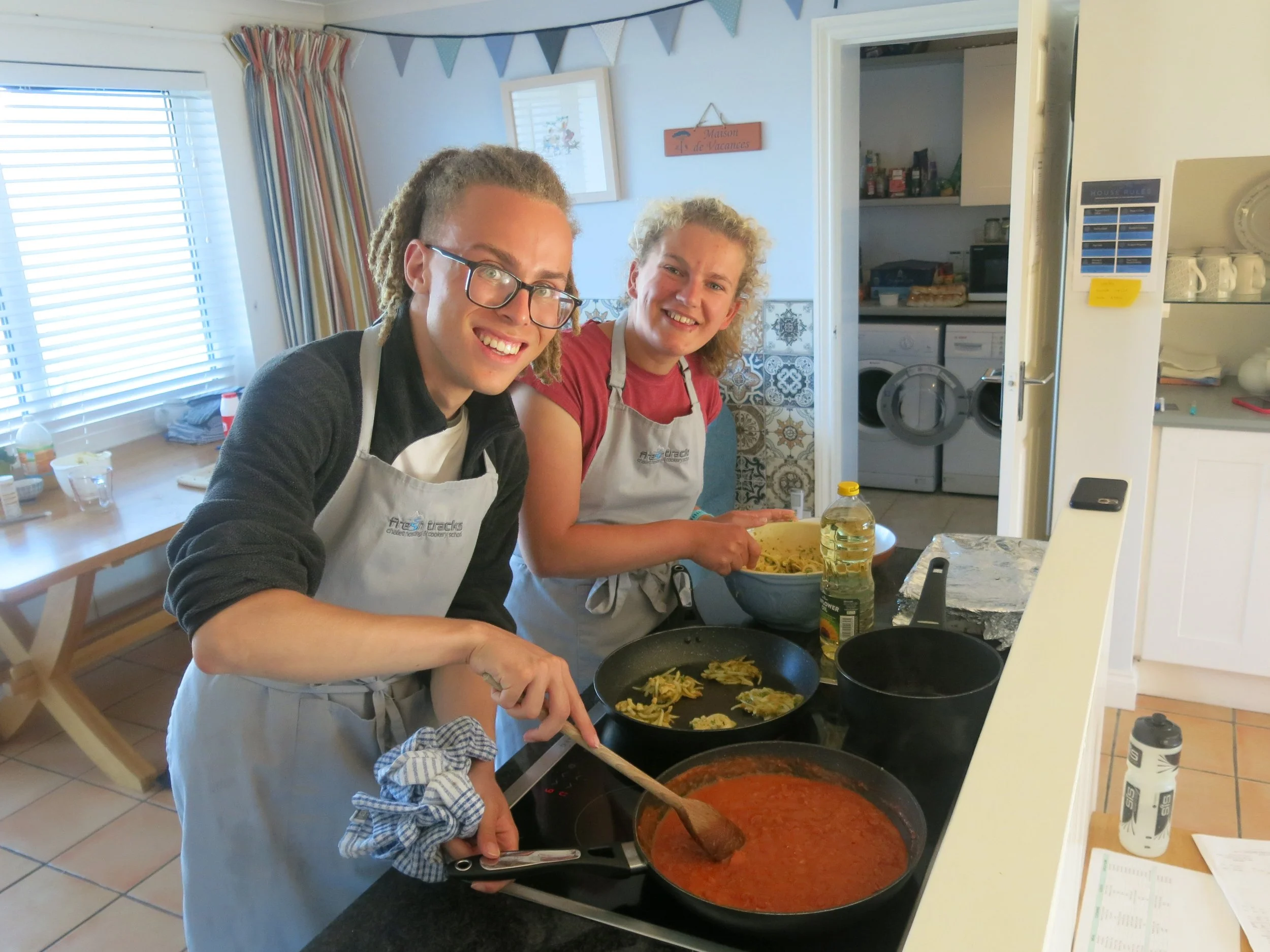
Students cooking nutritious meals
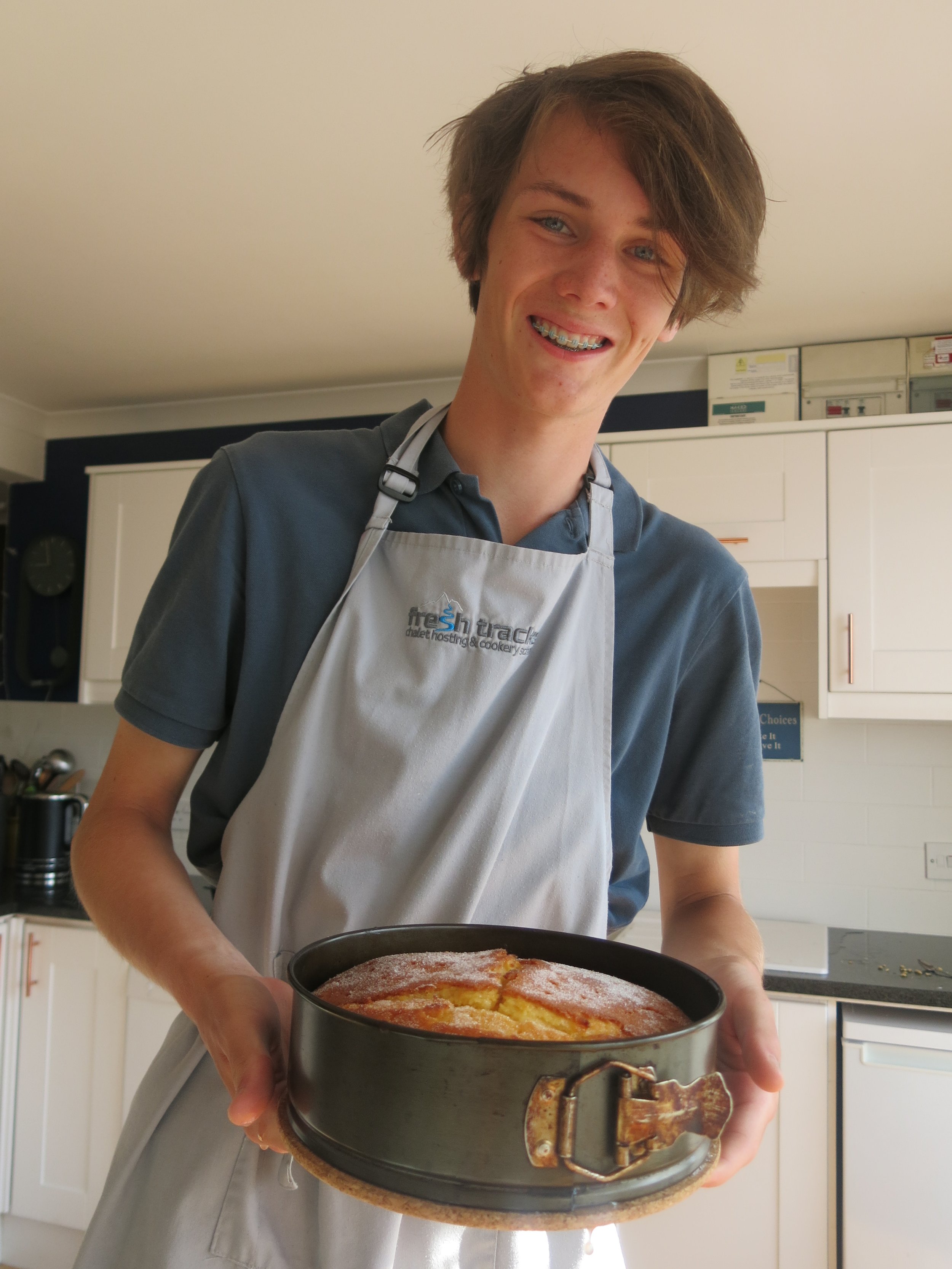
Learning the basics of baking
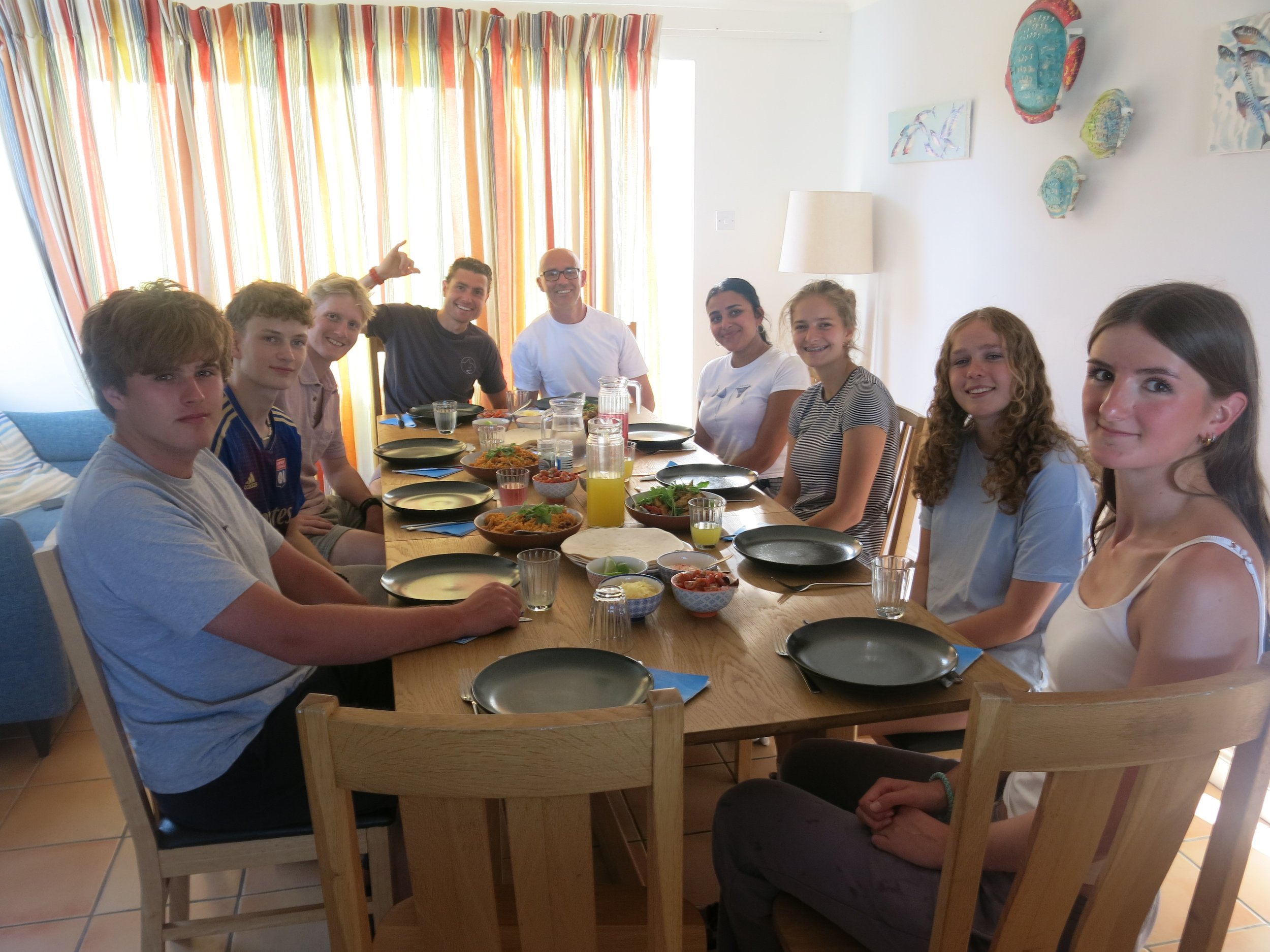
Students enjoying eating as a group
2. Planning meals and shopping for food
Being able to cook is only half the battle. You also need to get the food into the fridge in the first place.
Meal planning doesn’t need to involve complicated spreadsheets or deciding what you’re eating three weeks next Tuesday. It can simply mean looking ahead for a few days, working out what meals you might cook and deciding what ingredients you need.
Learning to make a shopping list, compare prices, check what you already have and buy ingredients that can be used across several meals can save a surprising amount of money as well as reducing food waste.
3. Managing a budget
For many young people, leaving home is the first time they have been responsible for managing a meaningful amount of money. The important thing isn’t necessarily being able to create a perfect budget. It’s understanding that money coming in has to cover everything going out. Rent, food, transport, socialising, subscriptions and all those small everyday purchases quickly add up.
Knowing roughly how much you can afford to spend each week and getting into the habit of checking your bank balance before rather than after spending is a simple skill that can prevent a lot of stress.
4. Doing your own laundry
It sounds obvious but washing clothes can be surprisingly confusing if you’ve never had to think about it before. What temperature should you use? What can go in together? How much detergent do you need? What shouldn’t go in the tumble dryer? And what exactly do all those symbols mean?
Nobody needs to become a laundry expert, but knowing how to separate clothes, use a washing machine, dry things properly and avoid shrinking your favourite jumper is definitely worth learning before leaving home.
5. Cleaning up after yourself
Living independently means there is no mysterious person who makes the kitchen clean again overnight. Knowing how to clean a kitchen and bathroom, change your bedding, and keep your room tidy are all basic skills particularly when you’re sharing a house with other people.
You don’t need to love cleaning. You just need to recognise when something needs doing and be prepared to do your share.
6. Living with other people
Living with friends, or complete strangers, can be one of the best parts of university, travelling or a season away. It can also be challenging. People have very different ideas about noise, washing-up, borrowing things, sharing food, having friends over and what constitutes an acceptable state for a bathroom.
Learning to communicate, compromise and consider the people around you is every bit as important as knowing how to cook or use a washing machine. Sometimes being a good housemate simply means noticing that the bin is full and emptying it without waiting for somebody else to ask.
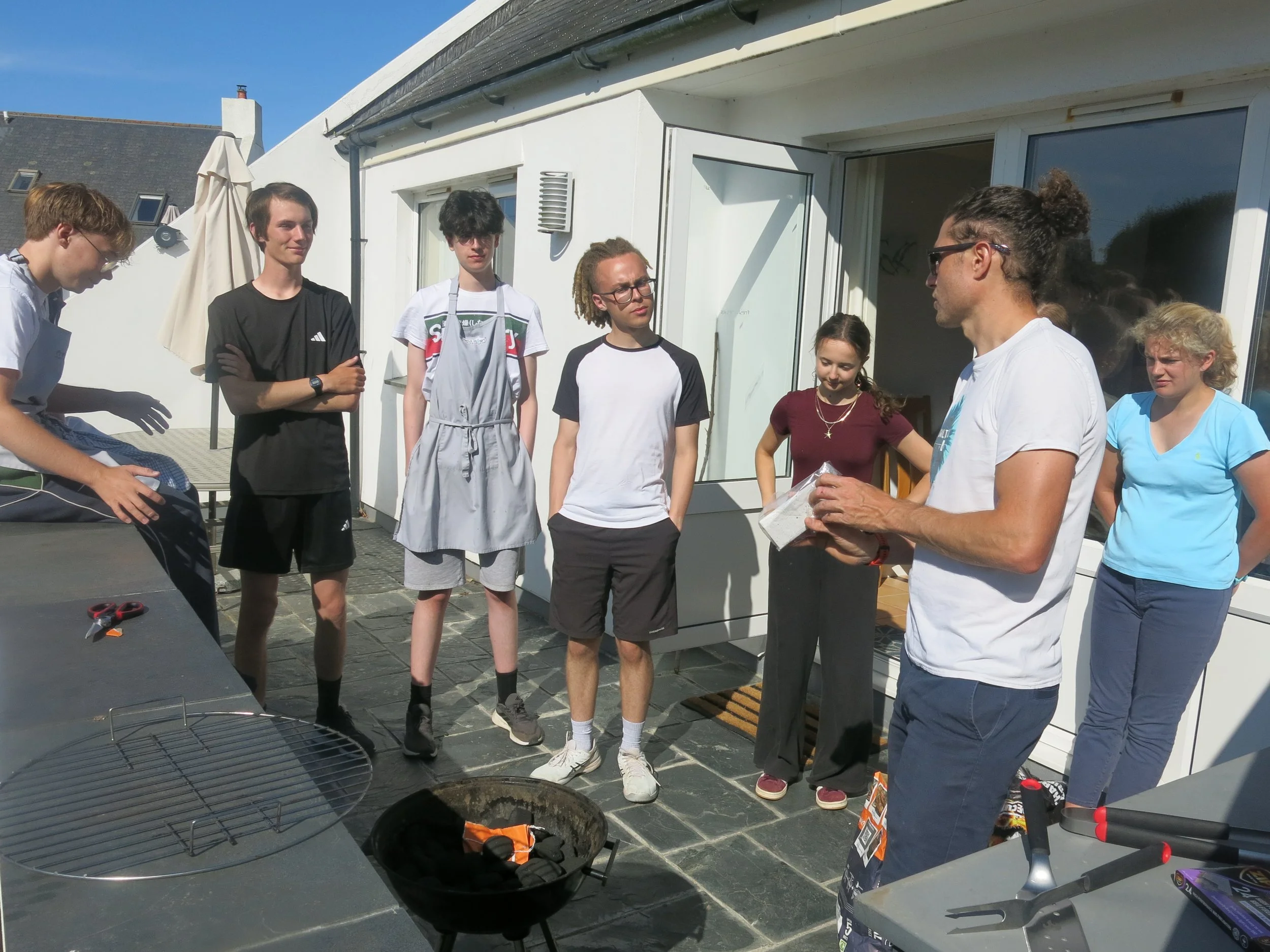
Students learning about BBQing
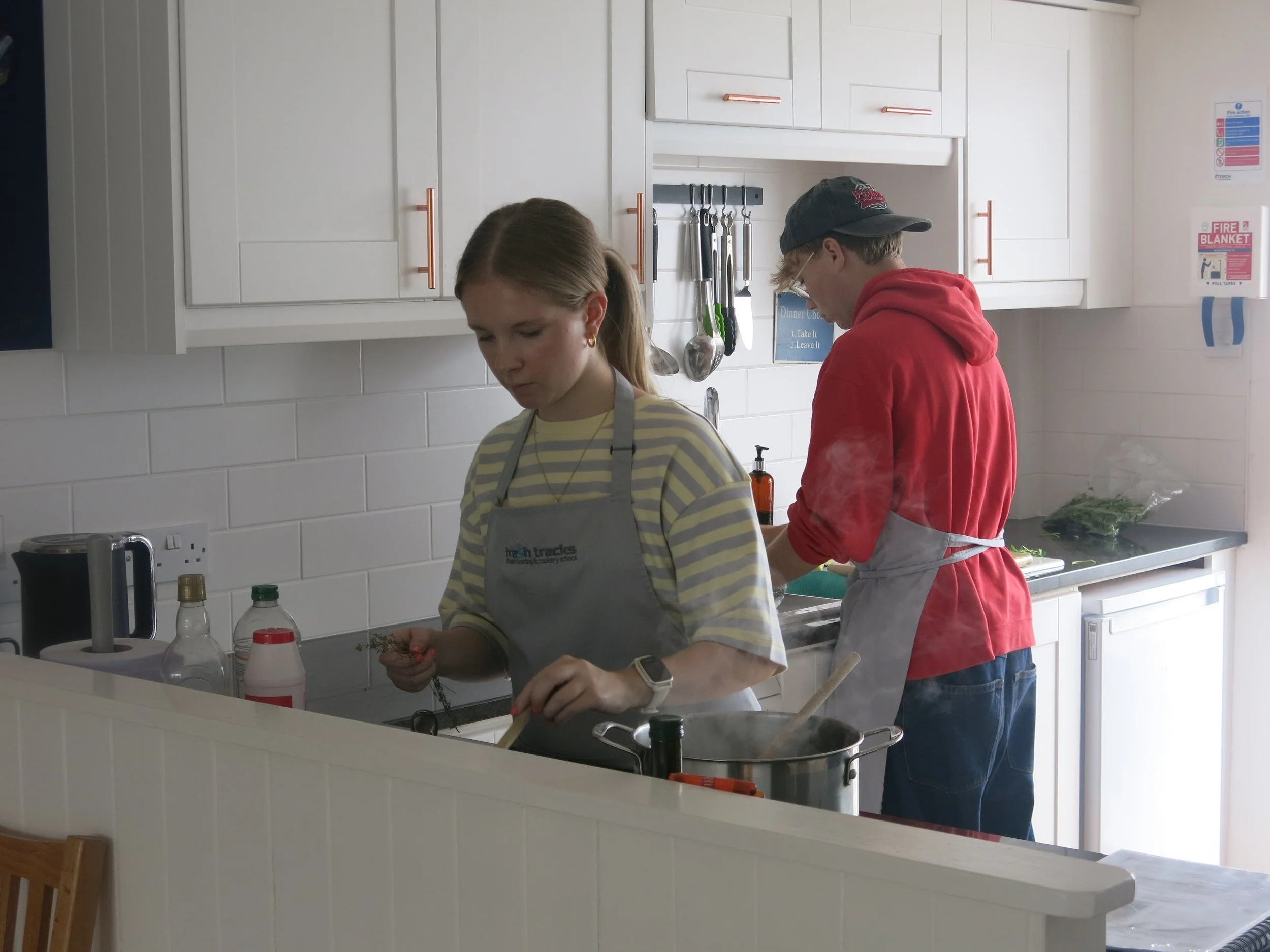
Team work in the kitchen, including washing up!
7. Understanding basic food hygiene
Knowing how to store food safely, understand use-by dates, handle raw meat, cool leftovers and reheat food properly can prevent a very unpleasant introduction to independent living. It can also help reduce food waste. Understanding the difference between “use by” and “best before”, for example, means you’re less likely to throw perfectly good food away unnecessarily.
8. Looking after yourself & Others
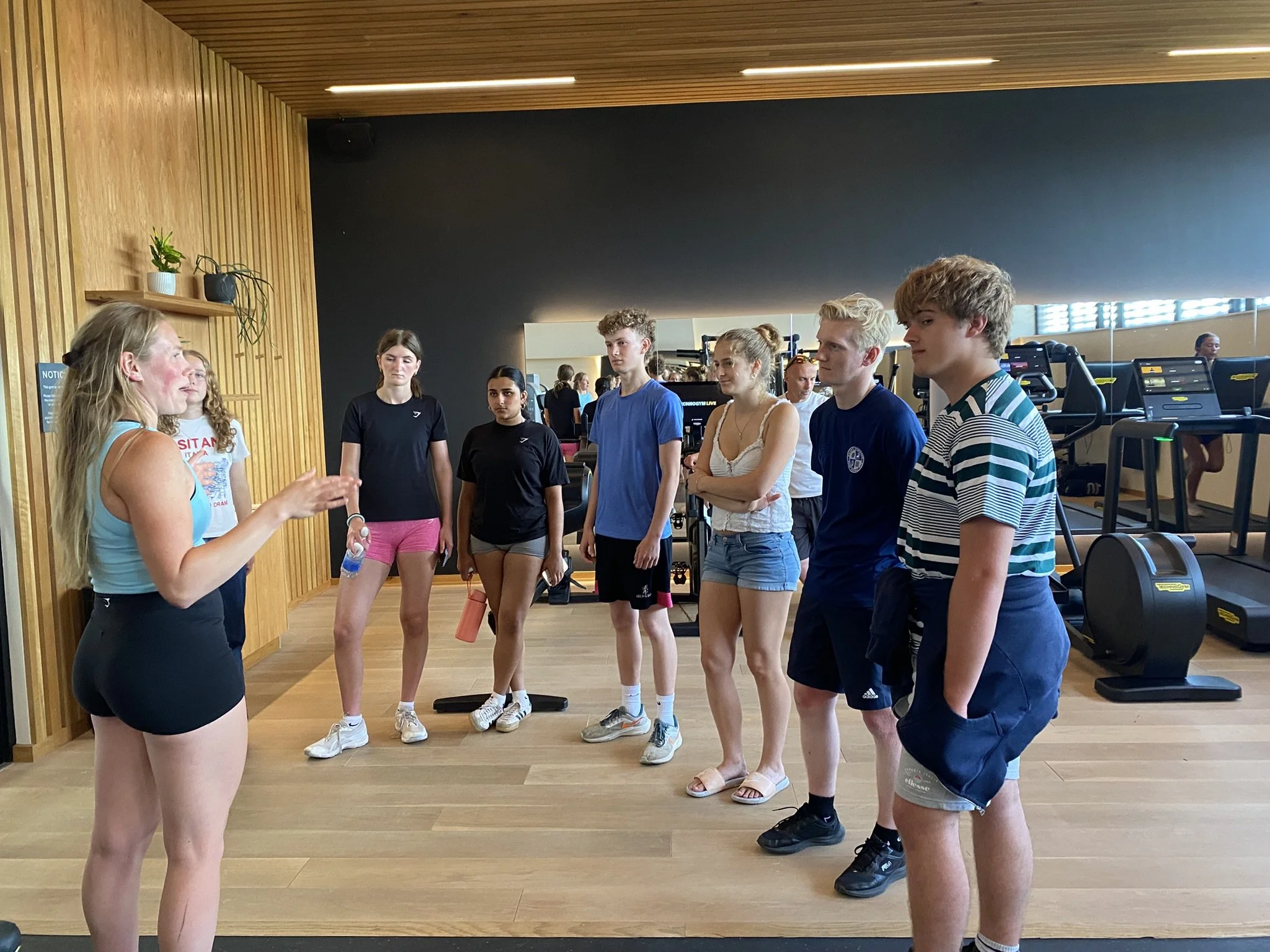
Understanding the importance of health and fitness
Leaving home often means nobody is keeping quite such a close eye on whether you’ve eaten properly, had enough sleep or spent the entire week running on coffee. Looking after yourself means recognising that food, exercise, sleep and downtime all affect how you feel. It also means knowing when something isn’t right and being confident enough to ask for help.
Independence isn’t about having to deal with everything on your own. Knowing when and where to get support is an important life skill in itself.
It also helps to know some basic first aid skills that could genuinely make a difference when they are needed, be that at work, at university or on a night out!
9. Sorting out everyday problems
The Wi-Fi stops working. A light bulb goes. The shower drain is blocked. You miss a train. Something you ordered doesn’t arrive. You’ve run out of an ingredient halfway through cooking dinner. Independent life is full of small problems. You don’t necessarily need to know how to solve every one of them. What matters is being prepared to work things out.
Learning not to panic when something doesn’t go quite as expected is one of the most useful skills you can take away from home.
10. Having the confidence to give things a go
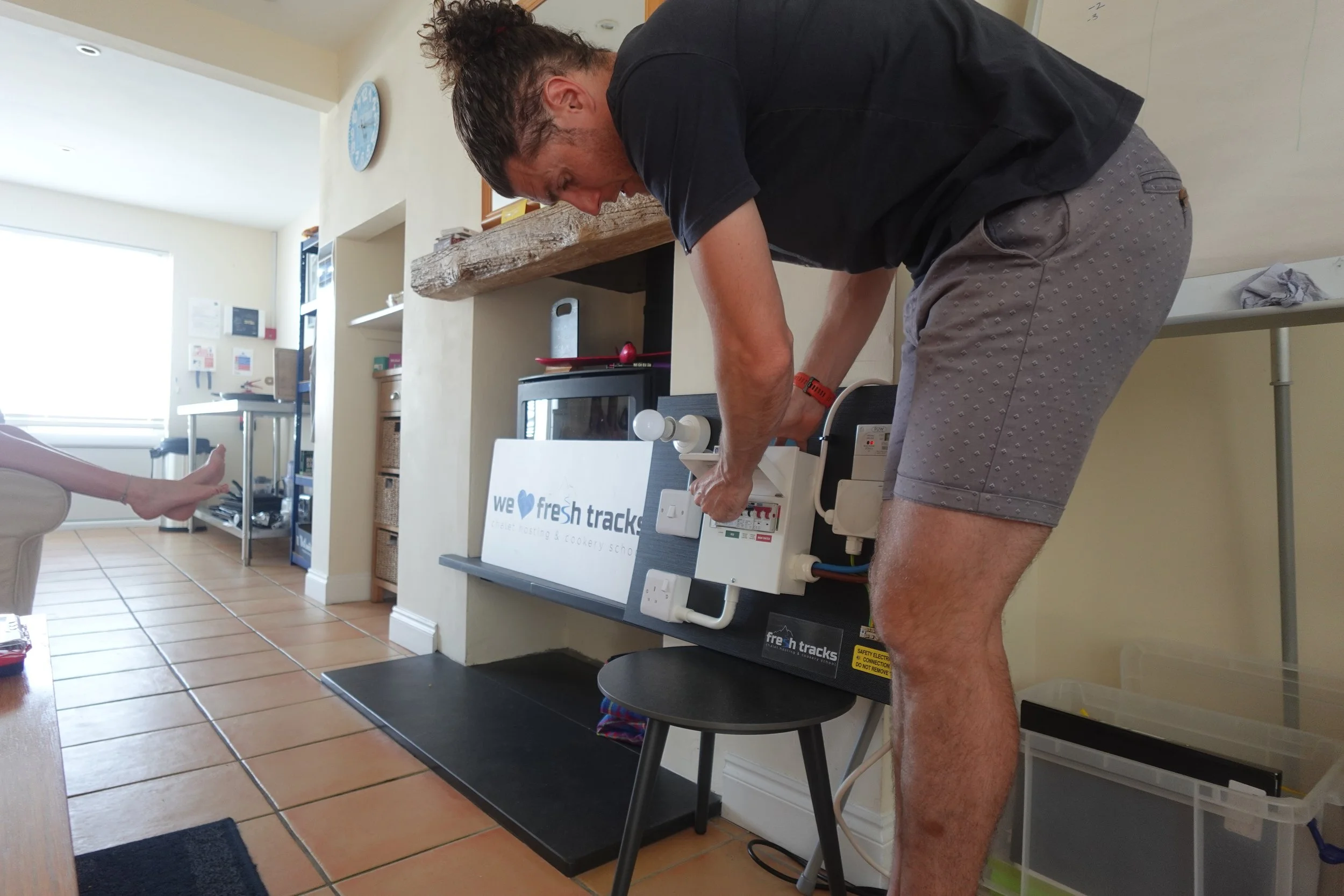
Learning basic home maintanence
Perhaps the most important life skill of all isn’t really a practical skill. It’s confidence. Not the confidence that comes from knowing how to do everything, but the confidence to try something when you’re not completely sure what you’re doing.
Your first meal might not be brilliant. You might accidentally turn a white T-shirt pink. You will almost certainly buy too much food at some point and discover something unrecognisable at the back of the fridge several weeks later. That’s part of learning.
The aim isn’t to leave home knowing everything. It’s to leave knowing that when something new comes along, you can probably work it out.
So…how can parents help teenagers prepare for leaving home?
One of the best ways to prepare a young person for independent living is simply to give them opportunities to practise while they’re still at home. Let them plan and cook dinner, give them a budget and ask them to do the food shopping, get them to put a load of washing on, let them organise a journey themselves or take responsibility for sorting out a small problem.
It can sometimes be quicker and easier to do these things for them but having the chance to get things wrong in a familiar environment is incredibly valuable. And if they can learn alongside other young people who are at the same stage of life, even better.
That’s where we can help…
Our residential Life Skills Course in Polzeath, Cornwall is designed for young people preparing to leave home for university, a gap year, work, travelling or shared accommodation.
Cooking is at the heart of the week, but the course is about much more than food. Students spend the week learning and practising everyday skills while living alongside other young people and gradually taking more responsibility for themselves. It’s practical, supportive and sociable with plenty of opportunities to try things, make mistakes and learn along the way.
Because ultimately, preparing to leave home isn’t about knowing how to do everything. It’s about having the skills and confidence to work things out for yourself.

Making new friends in the beautiful setting of Polzeath, Cornwall.